
Review · SMITHSONIAN & MUSEUM TOURS
African American History Tour with Museum of African American History Ticket
DC hits different on this African American history route. This 3.5-hour, small-group ride gives you the why behind the where, with stops built around stories of power, protest, and progress. You also leave with a same-day museum ticket, so you can keep the momentum going at the National Museum of African American History and Culture.
I especially love how the guide connects famous monuments to real people and real decisions, from the Capitol area to the MLK Memorial. One careful note: expect walking and some steps, including at the Frederick Douglass house on certain days, so wear good shoes.
In This Review
- Key Points Worth Your Time
- How the Route Fits: 3.5 Hours That Don’t Waste Time
- Starting at the US Navy Memorial: Where You’ll Get Your Bearings Fast
- NCNW Headquarters (633 Pennsylvania Ave NW): Civil Rights Work in a National Historic Landmark
- The Capitol Area: Inauguration Ground and Decisions That Lasted
- A White House Stop That’s Short on Access but Long on Meaning
- Constitution Hall to the Lincoln Memorial: Marian Anderson’s 1939 Turning Point
- Lincoln Memorial: The African American Chapters You’ll Actually Remember
- Martin Luther King, Jr. Memorial: Reading the Inscription Like a Story
- Frederick Douglass National Historic Site: Inside Access Depends on the Day
- LeDroit Park: Integration and “Black Broadway” in One Neighborhood Story
- African American Civil War Memorial Museum: Names, Plaques, and the Spirit of Freedom
- Dunbar High School + Howard Theatre: Education and Entertainment Under Segregation
- Dunbar High School
- Howard Theatre
- Howard University + Woodson House: When Black History Month Was Built
- Mary McLeod Bethune Council House: A House Tour When It’s Open
- Ending at the Museum: National Museum of African American History and Culture, Same-Day Tickets
- Price and Logistics: Is $90 Worth It?
- Who This Tour Is Best For (and Who Might Want a Different Day)
- Should You Book This African American History Tour?
- FAQ
- How long is the African American history tour?
- How much does the tour cost?
- Is the National Museum of African American History and Culture ticket included?
- Where does the tour start and when?
- Does the tour include the Frederick Douglass house inside?
- Is the tour mostly free-admission stops?
- How big are the groups?
Key Points Worth Your Time
- Small group (max 21) means you’re less lost in the crowd and more likely to ask questions.
- Air-conditioned vehicle + bottled water help when you’re hopping between stops in summer heat.
- NCNW and Bethune-linked stops place key civil rights leadership in the actual buildings where it happened.
- Marian Anderson’s 1939 story ties discrimination to a specific showdown at Constitution Hall and its fallout at Lincoln Memorial.
- Frederick Douglass house access varies by day, with inside walking available Tue/Wed/Sat.
- Museum timing works: you get entry at the end and can stay until 5:30.
More Smithsonian halls, out of the weather
- Guided African American History Tour with Reserved Museum Entry
★ 4.5 · 1,180 reviews - Washington DC: Museum of the Bible General Admission
★ 4.8 · 494 reviews - Smithsonian Museum of Natural History – Exclusive Guided Tour
★ 5.0 · 446 reviews - African American History Tour with Museum of African American History Ticket
★ 4.5 · 390 reviews
How the Route Fits: 3.5 Hours That Don’t Waste Time
This tour is built for people who want more than a photo stop. In about 3 hours 30 minutes, you cover a serious chunk of Washington, DC’s core sites and nearby neighborhoods without turning the day into a nonstop sprint.
The small-group size (up to 21 people) is a big deal. In a city where lines and crowds can eat your time, a tighter group usually means better pacing and clearer explanations at each stop. Add an air-conditioned vehicle and bottled water, and you’ve got a plan that feels realistic, not just ambitious.
You’ll start at 9:30 am from the US Navy Memorial Plaza (701 Pennsylvania Ave NW) and end at the National Museum (1400 Constitution Ave NW). The tour is offered in English, and you’ll have a mobile ticket. Service animals are allowed, and it’s near public transportation, which matters if you want to arrive early or split your day.
Starting at the US Navy Memorial: Where You’ll Get Your Bearings Fast
Meeting at the US Navy Memorial Plaza puts you right at the center of things. From there, your guide can set context before you start hopping around the Mall and beyond.
One practical tip: treat this as your orientation tour. By the time you reach the first major landmarks, you’ll understand what to look for—not just what you’re looking at. The guide’s style matters here. In the feedback for this tour, the name that comes up again and again is Kenny, with notes about humor plus clear storytelling that makes the history easier to hold onto.
NCNW Headquarters (633 Pennsylvania Ave NW): Civil Rights Work in a National Historic Landmark
One of the first powerful stops is the National Council of Negro Women (NCNW) headquarters at 633 Pennsylvania Avenue NW. It’s a National Historic Landmark, and it’s also a great example of history you can touch.
Here’s the useful context you’ll get:
- The organization was founded in 1935 by Mary McLeod Bethune.
- It has been headquartered in the same building since 1953.
- The building dates to the late 19th century, originally built as a commercial office building.
- In 1942, NCNW purchased it with help of a Federal Housing Administration loan.
This stop works because it reminds you that civil rights and community leadership weren’t only happening on stages and in speeches. They were happening in offices, boards, and decisions that shaped everyday lives.
The Capitol Area: Inauguration Ground and Decisions That Lasted
Next up, you’ll be near the U.S. Capitol and get the chance to stand where President Obama’s inauguration took place. That alone is a compelling anchor point, because it puts modern history in the same space as older systems.
The guide also connects the Capitol and its surrounding story to:
- How enslaved people helped build the Capitol and the White House.
- How Supreme Court decisions made in the Capitol affected people of color for decades.
This is the kind of explanation that’s easy to skip if you’re just walking the Mall. The tour helps you connect architecture to policy, and policy to real outcomes.
The Capitol stop time is about 20 minutes, and it’s listed as free admission.
Black Washington told properly, more heritage walks

A White House Stop That’s Short on Access but Long on Meaning
You’ll also stop at the White House, usually for around 15 minutes. The details matter here: the tour doesn’t include admission, so think of it as a view-and-story moment rather than a museum visit.
What you’re there to learn is that African Americans’ role in the White House story goes beyond one era. The tour highlights:
- Enslaved workers who helped build the house.
- The significance of Barack Obama as the first African American President.
Even without going inside, that kind of framing can change what you notice from the sidewalk.
Constitution Hall to the Lincoln Memorial: Marian Anderson’s 1939 Turning Point
One of the most memorable storylines in this route is the Marian Anderson incident connected to Constitution Hall.
You’ll learn how Anderson was scheduled to perform at Constitution Hall, but the DAR (Daughters of the American Revolution), which owned the hall at the time, refused to allow her to perform because of her race. The fallout became a national controversy.
With help from First Lady Eleanor Roosevelt, the performance happened instead on the steps of the Lincoln Memorial on Easter Sunday, April 9, 1939, in front of an estimated crowd of 75,000 people.
This stop is valuable because it shows you discrimination in action—and then shows you what people did in response. It also links two landmark spaces (Constitution Hall and Lincoln Memorial) to the same civil rights story.
Lincoln Memorial: The African American Chapters You’ll Actually Remember
At the Lincoln Memorial, you’ll get background not just about the memorial itself, but about historic African American events connected to it. The guide ties together major moments such as:
- The March on Washington
- The Marian Anderson concert
- Robert Moten delivering the dedication speech for the opening of the Lincoln Memorial
Time here is about 30 minutes, and it’s free admission.
A good way to use this stop: try to look for the space as a stage. With the guide’s context, you’ll see how people used public ground to make public demands.
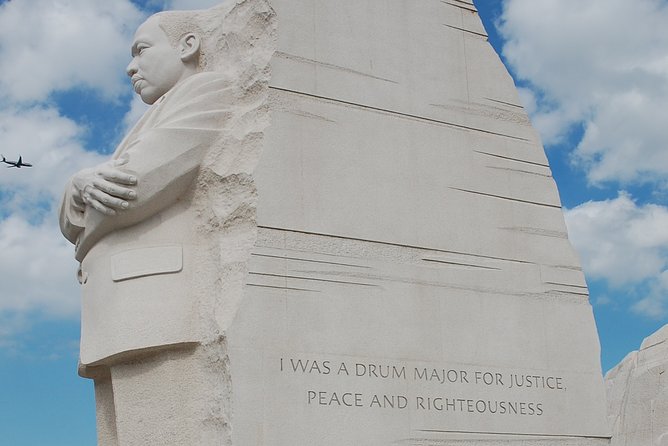
Martin Luther King, Jr. Memorial: Reading the Inscription Like a Story
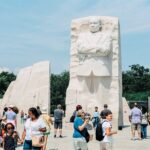
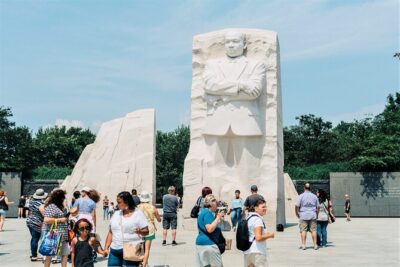
The stop at the Martin Luther King, Jr. Memorial is about 15 minutes, but it’s packed with specifics.
You’ll be shown and explained:
- The inscription wall with 14 quotes and statements
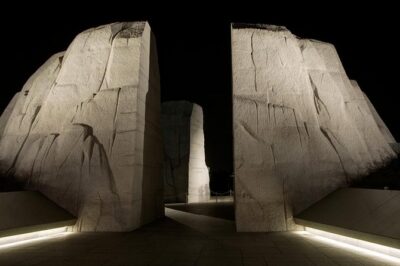
- The Mountain of Despair
- The Stone of Hope
- Facts about the making of the memorial
The design details matter because they help you understand how the memorial communicates both struggle and forward motion. It’s not just a photo spot; it’s a message.
Frederick Douglass National Historic Site: Inside Access Depends on the Day
This is a key stop on the tour, and it’s one where timing changes what you get.
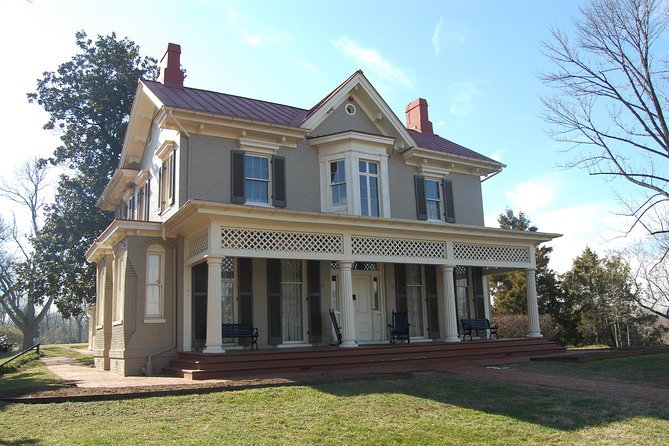
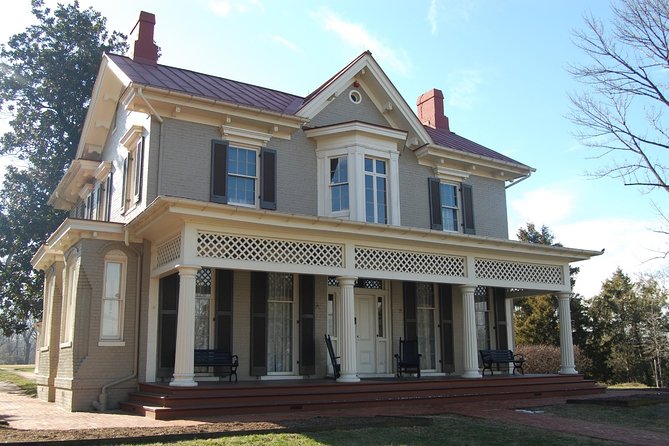
- On Tuesday, Wednesday, and Saturday, the tour includes a walking tour inside the Frederick Douglass house.
- On other days, you’ll drive past the Douglass home and the history is explained from there.
It’s about 20 minutes, and it’s listed as free admission.
One more practical note: inside access can involve steps, and you’ll want sturdy shoes. In feedback for this tour, people explicitly flag that the Frederick Douglass stop may be a little challenging if you don’t do well with stairs.
LeDroit Park: Integration and “Black Broadway” in One Neighborhood Story
Later, you’ll spend time on what LeDroit Park represents. This neighborhood has a layered story: it was originally built for white professors of Howard University, then homes were sold to both Black and white buyers, helping it become one of the early integrated neighborhoods in Washington.
The cultural chapter is just as important. You’ll learn that LeDroit Park had:
- Prominent African American leaders, including Mary Church Terrell
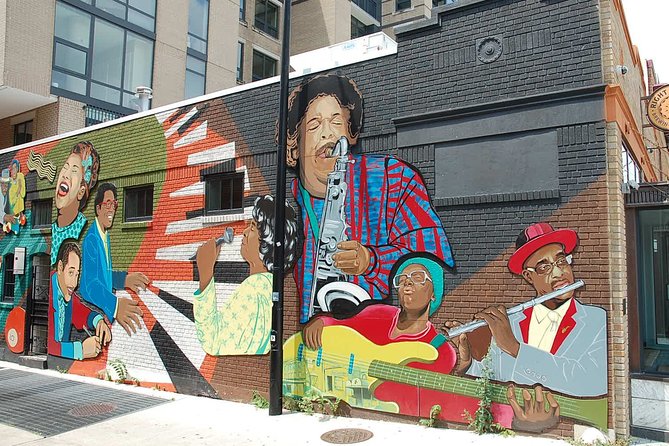
- Duke Ellington and the early reputation of the area as Black Broadway
- Nightclubs, theaters, and music venues that fed an entertainment scene
This part of the tour is useful because it breaks the stereotype that history only happens at memorials. Here, history is a neighborhood rhythm—intellectual life, culture, and community building.
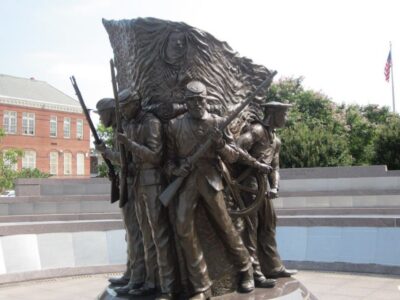
African American Civil War Memorial Museum: Names, Plaques, and the Spirit of Freedom
The African American Civil War Memorial Museum stop is short (about 10 minutes), but it’s focused in a way that’s easy to absorb.
You’ll hear about:
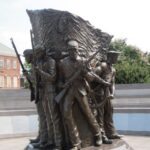
- The 209,000 African American troops and sailors who fought in the Civil War.
- The memorial’s dedication in 1998.
- The plaques listing the names of USCT from the 166 regiments.
- The statue called Spirit of Freedom, created by Ed Hamilton.
This is a stop I’d treat as a “read closely” moment. If you’re the type who likes to stop and take in names and details, you’ll get a lot from it even in a brief window.
Dunbar High School + Howard Theatre: Education and Entertainment Under Segregation
Two more important stops connect education and culture—both shaped by segregation, and both pushing forward anyway.
Dunbar High School
You’ll learn about Dunbar High School, founded in 1870 as the first public high school for African Americans in the United States. The tour notes that it has a long record of academic excellence and highlights notable connections such as:
- Mary McLeod Bethune
- Poet Paul Laurence Dunbar
Howard Theatre
You’ll also hear the story of the Howard Theatre, which opened in 1910 and was designed and operated by African Americans. During the segregation era, it became a major destination for African American performers and audiences.
You’ll get details about the “Chitlin’ Circuit” shows and the kinds of acts that helped shape American entertainment, including mention of performers such as:
- Duke Ellington
- Billie Holiday
- Ella Fitzgerald
- Marvin Gaye
If you care about how culture grows under pressure, this pair of stops gives you a clear picture.
Howard University + Woodson House: When Black History Month Was Built
The tour also includes several drive-past stories that help you place DC’s institutions in the larger history.
At Howard University, you’ll learn:
- Established in 1867
- It has 13 schools
- Noted graduates include Thurgood Marshall, Elijah Cummings, Taraji Henson, and Toni Morrison
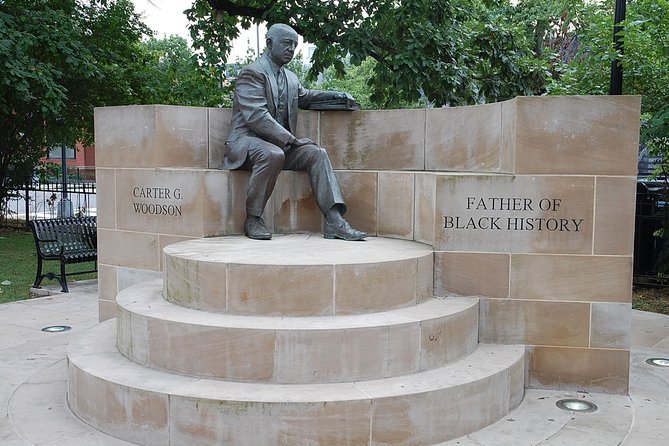
Next, you’ll pass the Carter G. Woodson House, tied to the man often called the Father of Black History. The tour credits Woodson with creating Black History Month.
Even if you’re only driving by, this matters because it shows how history gets organized, studied, and taught—not just celebrated.
Mary McLeod Bethune Council House: A House Tour When It’s Open
Another standout name on this route is Mary McLeod Bethune again, through the Bethune Council House. You’ll learn that Bethune bought the house in 1943, and it features a second French Empire design.
The tour indicates that you stop and tour the house Thursday–Saturday time permitting. That means you should be flexible, especially if you’re traveling on a day when the house isn’t operating on your schedule.
Ending at the Museum: National Museum of African American History and Culture, Same-Day Tickets
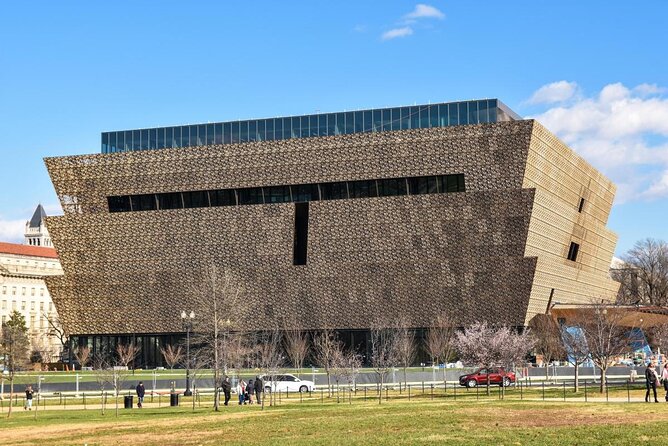
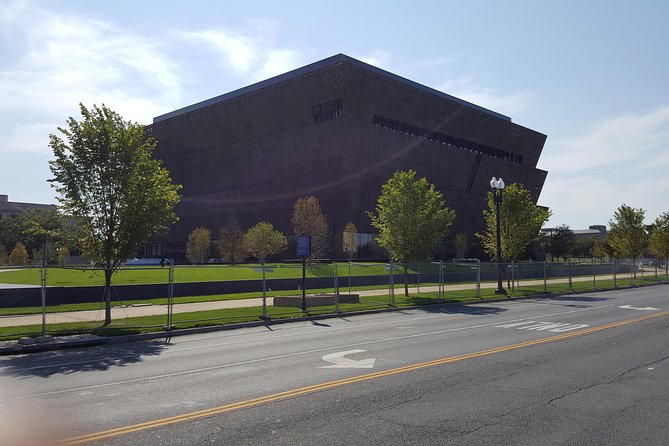
The tour ends at the National Museum of African American History and Culture, and this is where the day lands. At the end of the city tour, you’re given same-day tickets to the museum. Once you’re inside, you can stay until 5:30, when the museum closes.
This is a smart structure. It means you’re not spending the entire 3.5 hours standing still. You get the context first, then you use your ticket time to explore at your own pace.
A practical way to enjoy the museum with less stress: start with one or two floors and a few major areas rather than trying to see everything. With the time window through 5:30, you can do a solid first run and still have the energy to read what matters.
In the feedback for this experience, many people highlight that a guided segment early in your visit (including an option focused on the museum’s lower levels) helps you understand how to move through the exhibits. If your timing matches what’s offered that day, it’s worth using as your launch pad.
Price and Logistics: Is $90 Worth It?
At $90 per person for a 3 hour 30 minute guided experience that includes same-day museum admission, this price is mostly about value in three places:
- The guide work. You’re not just walking from one landmark to another. You get story connections—Capitol to Supreme Court, Anderson to Lincoln Memorial, neighborhoods to culture.
- Transport and comfort. The air-conditioned vehicle plus bottled water reduces the fatigue that usually comes with a half-day route in DC.
- Museum ticket included. You’re getting museum time built into the plan. Even if you already planned to visit, the included same-day access saves effort and helps you time your day correctly.
The tour is also in demand (it’s often booked about 26 days in advance). That’s a clue that you’ll likely want to book ahead, especially if you’re traveling during peak season.
Who This Tour Is Best For (and Who Might Want a Different Day)
This tour is a strong pick if you:
- Want a focused DC day without turning it into a checklist marathon
- Like explanations that connect monuments to people and events
- Want a route that includes more than just the biggest memorials, with neighborhood stops like LeDroit Park
It may be less ideal if:
- You need a low-walking plan. The route includes walking time and steps at certain stops.
- You want museum time to be the main event from the start. This day is built as context-first, museum-second.
Families can do well here too. In the feedback you can see repeat mentions of kids learning and staying engaged, especially when the guide uses humor alongside serious history.
Should You Book This African American History Tour?
I’d book it if you want a guided DC route that treats African American history as central, not side content. The combination of landmark stories, neighborhood context, and then immediate museum time is a clean way to leave with understanding, not just photos.
If you have flexibility on which day you go, pick a day that includes inside access at the Frederick Douglass house (Tuesday, Wednesday, or Saturday), especially if that’s a must-see for you. And bring shoes ready for steps.
If you’re excited by real DC places tied to real lives—Mary McLeod Bethune, Marian Anderson, Martin Luther King Jr., Frederick Douglass—this tour gives you a practical path through it all.
FAQ
How long is the African American history tour?
It runs for about 3 hours 30 minutes.
How much does the tour cost?
The price is $90.00 per person.
Is the National Museum of African American History and Culture ticket included?
Yes. You receive same-day tickets to the museum at the end of the tour.
Where does the tour start and when?
The tour starts at US Navy Memorial Plaza, 701 Pennsylvania Ave NW, at 9:30 am.
Does the tour include the Frederick Douglass house inside?
Inside house access is included on Tuesday, Wednesday, and Saturday. On other days, the tour drives past the home and explains the history.
Is the tour mostly free-admission stops?
Several stops are listed as free admission (like the Capitol area, Lincoln Memorial, MLK Memorial, and others). The White House stop notes admission is not included.
How big are the groups?
The tour has a maximum of 21 travelers.
More Tour Reviews in Washington DC





Black Washington, Told Properly




More Smithsonian Halls


Just Added: Fresh Washington DC Reviews
- Washington : Private Custom Walking Tour With A Guide (Private)★ 3.5 · 3 reviews
- 3-Hour Small Group Memorial Tour in Washington, D.C.★ 4.0 · 3 reviews
- Washington DC Private Guided Bus Day Tour with Step Off Guide★ 5.0 · 3 reviews
- Washington, DC: The Good Liar: Brian Curry★ 5.0 · 3 reviews
- DC Monuments Walking Tour: Small Group, Big Ideas★ 5.0 · 3 reviews
- Washington DC: Library of Congress Private Tour with Tickets★ 5.0 · 3 reviews
Smithsonian & Museum Tours, side by side.
 ★ 4.5Guided African American History Tour with Reserved Museum EntryFrom $891,180 reviews
 ★ 4.8Museum of the Bible General AdmissionFrom $34494 reviews
 ★ 5.0Smithsonian Museum of Natural History – Exclusive Guided TourFrom $89446 reviews
 ★ 4.5National Mall Tour with 10 Stops & U.S. Capitol or Museum EntryFrom $59331 reviews
 ★ 4.9African American History Tour & Museum EntryFrom $89312 reviews
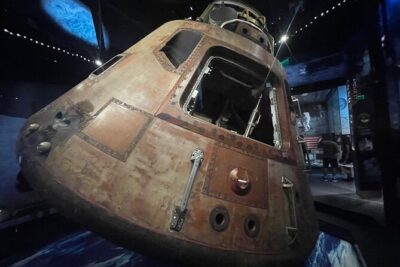 ★ 5.0Smithsonian Museums Walking Tour with Reserved Air & Space EntryFrom $79297 reviews
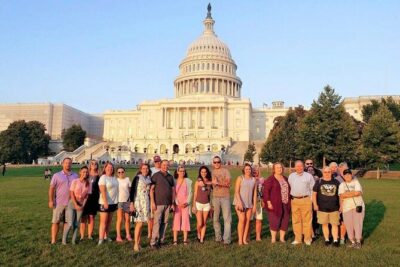 ★ 4.5Capitol Combo: U.S. Capitol + Library Congress or Capitol MuseumFrom $79294 reviews
 ★ 4.0U.S. Capitol Tour with Library of Congress or Capitol MuseumFrom $64286 reviews
The lists this tour appears in