
Review · SMITHSONIAN & MUSEUM TOURS
U.S. Capitol Tour with Library of Congress or Capitol Museum
Two hours, and the Capitol really talks. This tour blends live guide narration with official access inside the Capitol, then adds timed entry to the Library of Congress Jefferson Building, where you’ll see spaces most people only recognize from films. My favorite part is how the guide ties facts to what you’re actually looking at, from the Rotunda to Thomas Jefferson’s original library. The one real catch: you’ll do stairs and security lines, and the Library of Congress plan can switch on Mondays or if the federal site changes its schedule.
If you’re lucky with your guide, it gets even better. I noticed strong themes in the reviews about Dwayne and Rochelle: clear explanations, friendly pacing, and answers that go beyond the basics, even while you’re moving. Still, this is a tight format, with some stops more like photo ops than long hangs, so keep expectations aligned with a fast, guided orientation.
In This Review
- Quick hits before you go
- A Two-Hour Plan That Actually Fits
- Meeting Point Near the U.S. Botanic Garden: Don’t Be Late
- Getting Through Security: What to Bring (and What to Leave)
- Inside the U.S. Capitol: Rotunda, Crypt, and Thomas Jefferson’s Library
- Peace Monument and the Equestrian Statue: Outdoor Stops With Real Meaning
- Library of Congress Jefferson Building: Gutenberg to the Main Reading Room
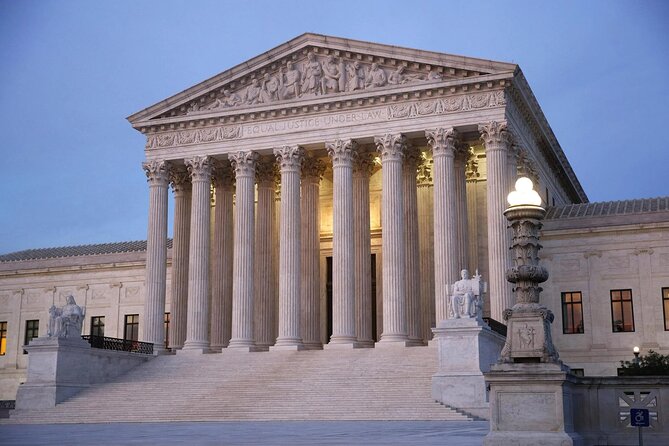
- Supreme Court Pass-By: Short Stop, Big Context
- Capitol Hill Walking Loop: A Fast Orientation on Foot
- Price and Value: Is $64 Worth It?
- The Guide Factor: Dwayne, Rochelle, and the Power of Plain Explanation
- Schedule Switches: Mondays and Library of Congress Closures
- Who Should Book This Tour (and Who Might Not)
- Book It or Skip It: My Practical Recommendation
- FAQ
- How long is the U.S. Capitol and Library of Congress tour?
- What does the tour include for admission?
- Where do I meet for the tour?
- Where does the tour end?
- Is the Library of Congress included every day?
- Can I bring snacks or drinks into the U.S. Capitol?
- Are there bag size limits?
- Is the tour only for good weather?
- Is this tour group size limited?
Quick hits before you go
- Thomas Jefferson’s original library inside the Capitol plus the rooms most visitors miss
- Timed-entry access to the Jefferson Building so you’re not scrambling at the door
- Rotunda and Crypt highlights explained in plain English, with context you can use later
- Library detail you’ll remember like the Gutenberg Bible and the Main Reading Room view
- Short, guided Supreme Court and Capitol Hill pass-by that helps you connect the dots
- Group size stays manageable (up to 40), but you still need to be ready to walk
More Smithsonian halls, out of the weather
- Guided African American History Tour with Reserved Museum Entry
★ 4.5 · 1,180 reviews - Washington DC: Museum of the Bible General Admission
★ 4.8 · 494 reviews - Smithsonian Museum of Natural History – Exclusive Guided Tour
★ 5.0 · 446 reviews - African American History Tour with Museum of African American History Ticket
★ 4.5 · 390 reviews
A Two-Hour Plan That Actually Fits
This is a fast Washington DC experience. You’re looking at about two hours total, so you get the big inside moments without turning your day into a half-day marathon. It’s also booked fairly often (around 17 days in advance on average), so if you’re traveling in peak season, it helps to reserve early.
The format is simple: meet in a central spot near major transit, walk a short circuit outside, then spend the bulk of your time inside the U.S. Capitol and with timed entry at the Library of Congress. Some parts feel like “see it, understand it, move on,” which is great if you hate long museum wandering. It’s less ideal if you want hours alone to linger.
The upside of a shorter tour is momentum. You’ll leave with names, symbols, and building details that make the rest of Capitol Hill click the next time you pass by. The downside is that you’re not building a relaxed pace.
Meeting Point Near the U.S. Botanic Garden: Don’t Be Late
You meet at 101 Independence Ave SE, Washington, DC 20540, and your start is directly across the street from the U.S. Botanic Garden Conservatory at 100 Maryland Avenue SW. Your tour ends back at the Library of Congress, which is convenient if you planned to spend more time there afterward.
No hotel pickup or drop-off is included, so plan to arrive under your own steam. The meeting area is close to public transportation, which matters because you’ll still need to be at the front of the line once security begins.
This matters because the Capitol day is schedule-driven. There’s security screening, an orientation film, and then a transfer into an official-style guided component that uses headsets. If you’re late, you can lose time, and you’ll feel rushed.
Also, think about weather. This experience requires good weather, and you will walk and use steps, including outside portions.
Getting Through Security: What to Bring (and What to Leave)

The tour goes through security at the U.S. Capitol. That means you should pack like it’s an airport morning: keep bags compact and avoid anything that could be flagged. The bag limit for the Capitol is strict: larger than 18″ wide x 14″ high x 8.5″ deep isn’t permitted.
Food rules can surprise people. Outside food and beverages are not permitted inside the U.S. Capitol building. One review issue hit hard: people were forced to throw out snacks. The workaround is that you can bring an empty water bottle and fill it after you pass through security, so you stay hydrated without bringing prohibited items.
Headsets are used once you join the official guided tour component inside the Capitol. One review noted that headsets can cut out at times because of distance between the group and the guide, so it helps to stay relatively close and pay attention when the guide repositions you.
If you want a smoother experience, wear walking shoes. You’ll move through multiple spaces, and stairs are part of the deal.
Inside the U.S. Capitol: Rotunda, Crypt, and Thomas Jefferson’s Library
This is where the tour justifies itself. You’re not only seeing the iconic dome from the outside. You enter the Capitol and get guided access to standout rooms such as the Crypt, the Rotunda, and the National Statuary Hall. Depending on timing, you might also see the Old Supreme Court or Old Senate Chambers.
You’ll go through security first, then you get a short break and watch an orientation film. After that, you join the official guided tour with headsets. That sequence matters because it sets context before you start noticing the details, especially upstairs and in the ceiling-heavy spaces.
Two elements I’d prioritize when you’re there: the Rotunda and the Crypt. The Rotunda fresco, The Apotheosis of Washington, sits about 180 feet above the floor, so you’re taking in something designed to overwhelm you—then you’ll learn what you’re seeing. The Crypt originally was intended for Washington’s burial, so it’s not just a basement space. It’s a story beat.
Then there’s Thomas Jefferson’s original library, located within the Capitol Building. Seeing it in place changes how you understand the man behind the words. Jefferson doesn’t show up as an abstract figure; you see an actual artifact of his life and work, right in the building tied to national power.
One practical drawback: this portion is scheduled and can feel brisk because your time is shared with other groups and timed entry mechanics later. If you’re the type who wants to read every plaque slowly, you may want to budget extra time after the tour on your own.
Inside the Capitol and the Library, more tickets


Peace Monument and the Equestrian Statue: Outdoor Stops With Real Meaning
Between the Capitol and the Library, you’ll step outside and get a short series of guided viewing stops. It’s not the kind of outdoor sightseeing where you roam freely. It’s more like: point, explain, move.
First up is the Peace Monument/Peace Circle, which commemorates naval deaths from the Civil War. The figures Grief and History help you connect art to memory. It’s a reminder that Capitol Hill isn’t only about lawmaking—it’s also where the country memorializes losses.
Next, you’ll pass by one of the largest equestrian statues in the world. The guide also shares that the sculptor took 20 years to complete it. Whether you love sculpture or not, this detail helps you see the monument as a major project, not just a postcard stop.
These moments are short, but they do something important: they give you visual anchors. Later, when you walk past these sites on your own, you’ll know what they refer to without having to reread anything.
Library of Congress Jefferson Building: Gutenberg to the Main Reading Room
This is the payoff stop. After you’re escorted to the tunnel, you use timed-entry passes that let you walk straight into the Jefferson Building. The goal is to reduce the chaos people face when they try to visit a major site on the fly.
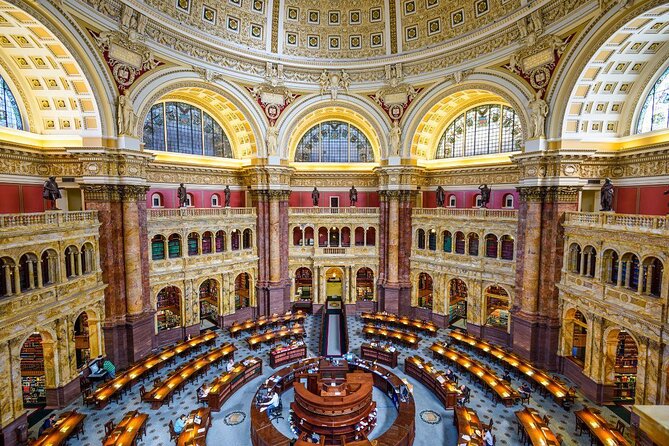
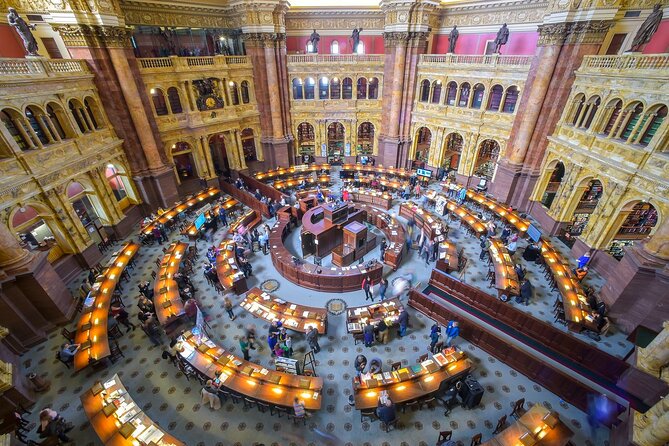
The Jefferson Building is often described as the most beautiful building in Washington DC, and you’ll see why quickly once you’re inside. The Great Hall features an Italian Renaissance-style atrium with marble columns, mosaics, gold leaf, and murals by leading artists. Even if architecture isn’t your main interest, this is the kind of room that makes your photos look better than expected.
Then you get iconic collections and spaces. You’ll see the Gutenberg Bible, noted as one of only three perfect vellum copies in existence. That’s the kind of detail that turns a name into a sense of rarity.
The Main Reading Room is another standout. You view it from an upper observation deck, and it’s the circular reading room that shows up in countless films and photos. The guide helps translate why the space feels the way it does—scale, symmetry, and the idea of reading as a public mission.
You’ll also notice Putti and carvings—cherubic figures that represent the arts and sciences lining the balustrades. It’s one of those “look closer” moments, and your guide’s narration helps you spot what matters instead of only walking past it.
One more practical perk: the Jefferson Building is designed for modern systems. The guide points out that it was the first public building in DC designed for electric lighting and one of the first to use a comprehensive climate-control system. That’s useful context if you’re wondering how they protect such delicate materials.
Time inside is about 20 minutes. That’s short enough that you’ll want to choose what you focus on, but long enough to hit the highlights without rushing through everything.
Supreme Court Pass-By: Short Stop, Big Context
You don’t go inside the Supreme Court on this tour. You pass by it, and your guide provides history and context about the high court, with key cases and facts. The stop is about one minute, so the goal isn’t deep courthouse exploration. It’s orientation.
Still, the narration can pay off later. Once you’ve heard the names and the structure of how the court fits into the broader government system, the building stops feeling like a random photo background. It becomes part of the same story you just heard inside the Capitol.
If you’re planning additional courthouse or legal-site time later in your trip, this pass-by gives you a vocabulary. You’ll know which concepts to pay attention to next.
Capitol Hill Walking Loop: A Fast Orientation on Foot
After the Supreme Court pass-by, you also get a guided walking tour through Capitol Hill. In the schedule, this is a short segment. It’s not the full “wander for hours” experience.
But that brief outside loop is useful. It helps you connect the buildings you’ve just entered with the street-level geography you’ll see afterward. You’ll likely notice how the structures relate to one another—where you are, what direction you’re facing, and why certain monuments were placed where they are.
Also, walking means you’ll get breaks and regrouping moments. Reviews mention that pacing can feel comfortable as long as you’re prepared for steps and weather.
If you want slow time, add your own Capitol Hill strolling afterward. This tour is built for clarity, not leisure drifting.
Price and Value: Is $64 Worth It?

$64 for about two hours sounds like a lot until you break down what you’re buying. You’re paying for organized access and guided narration, plus the timed-entry Library of Congress component. The U.S. Capitol portion includes admission and goes inside with an official-style headset tour once you clear security. The Jefferson Building visit also includes admission and comes with timed entry mechanics that prevent you from just showing up and hoping for the best.
If you only wanted a quick look at the Capitol and you’re fine with reading a few plaques on your own, you might feel less satisfied, especially if you’ve heard that some Capitol access can be free. The most reliable way to judge this tour is to ask yourself what you want most:
- Do you want a guide to point out the details you’d otherwise miss?
- Do you want the Jefferson Building highlights without dealing with timed-entry stress?
If you said yes to either, the price starts to make sense. If your goal is purely independent touring with lots of idle time, you could spend less elsewhere.
Also, remember what happened during government shutdown periods and other sudden schedule changes. The experience can be closed or canceled without advanced notice for federal reasons, so you’re paying for a plan that depends on site operations.
The Guide Factor: Dwayne, Rochelle, and the Power of Plain Explanation
A big part of the quality here is the guide. Reviews repeatedly name guides like Dwayne and Rochelle as especially strong, with explanations that stay clear while you’re walking and turning. That matters because this tour doesn’t stop for long Q and A sessions. The best guides work the questions in naturally.
You might notice some guides use a more humorous or personality-driven style. One review mentioned comfort issues with political commentary tone. That’s not something you can fully control, since guides differ. If you’re sensitive to that, keep your expectations grounded: this is a government buildings tour, so you may hear opinions or framing, even when the facts are still the anchor.
Headsets can also affect how you experience narration. If you want to catch every detail, stay close when the group is regrouping and pay attention when the guide signals movement.
Schedule Switches: Mondays and Library of Congress Closures
Here’s the key planning detail: the Library of Congress is closed on Mondays and also for 8am tours. When that’s the case, your Library stop switches to the Capitol Museum instead, and the tour time adjusts accordingly. The broader idea is that you still get the Capitol-side experience, but the specific Jefferson Building visit isn’t available.
Also, the government can close or cancel tours inside the U.S. Capitol without advanced notice. That means even the best planning can meet sudden changes. If you have a tightly packed itinerary, build in a buffer day or plan a second DC activity near Capitol Hill in case schedules shift.
This tour also requires good weather because parts of it take place outside and involve steps. If you’re visiting in a storm-prone season, keep an eye on forecasts the morning of.
Who Should Book This Tour (and Who Might Not)
I’d book this if you want an efficient first visit to Capitol Hill and you like structure. The tour is built for people who want to see the big inside rooms, understand what they represent, and then walk away with usable context for future reading and visits.
It also works well for first-time DC visitors and for couples or solo travelers who don’t want to spend the whole day figuring out timed-entry details. With a group cap of 40, you’re unlikely to feel swallowed by crowds.
I’d reconsider if you hate stairs or long security screening. There’s also limited time in the Jefferson Building—about 20 minutes—so if you want to study the space slowly, plan extra time after the tour.
And if you expect a deep, long Supreme Court visit, this isn’t it. The Supreme Court portion is a pass-by with narration, not an inside tour.
Book It or Skip It: My Practical Recommendation
Book it if you want the best DC shortcut for connecting three places in one flow: the U.S. Capitol interior, Thomas Jefferson’s presence in the building, and the Library of Congress Jefferson Building highlights. For $64, you’re mainly buying organization, timing, and interpretation—especially the Jefferson Building’s headliner rooms.
Skip it if your top goal is slow independent wandering, or if you’re only looking for the shortest possible Capitol experience and you’re comfortable handling timed access yourself. In that case, you might do fine with self-guided visits.
FAQ
How long is the U.S. Capitol and Library of Congress tour?
It runs about 2 hours on average.
What does the tour include for admission?
Entry into the U.S. Capitol building and entry to the Library of Congress (or the Capitol Museum if the Library is closed) are included. The Supreme Court is only passed by, and its admission is not included.
Where do I meet for the tour?
Meet at 101 Independence Ave SE, Washington, DC 20540, directly across from the U.S. Botanic Garden Conservatory at 100 Maryland Avenue SW.
Where does the tour end?
The tour ends at the Library of Congress.
Is the Library of Congress included every day?
The Library of Congress is closed on Mondays and for 8am tours. On those days, you visit the Capitol Museum instead.
Can I bring snacks or drinks into the U.S. Capitol?
Outside food and beverages are not permitted inside the U.S. Capitol building. You can bring an empty water bottle and fill it once through security.
Are there bag size limits?
Yes. Bags larger than 18″ wide x 14″ high x 8.5″ deep are not permitted inside the U.S. Capitol building.
Is the tour only for good weather?
Yes. The experience requires good weather.
Is this tour group size limited?
Yes. The maximum group size is 40 travelers.
More Tour Reviews in Washington DC






Inside the Capitol




More Smithsonian Halls



Just Added: Fresh Washington DC Reviews
- Washington : Private Custom Walking Tour With A Guide (Private)★ 3.5 · 3 reviews
- 3-Hour Small Group Memorial Tour in Washington, D.C.★ 4.0 · 3 reviews
- Washington DC Private Guided Bus Day Tour with Step Off Guide★ 5.0 · 3 reviews
- Washington, DC: The Good Liar: Brian Curry★ 5.0 · 3 reviews
- DC Monuments Walking Tour: Small Group, Big Ideas★ 5.0 · 3 reviews
- Washington DC: Library of Congress Private Tour with Tickets★ 5.0 · 3 reviews
Smithsonian & Museum Tours, side by side.
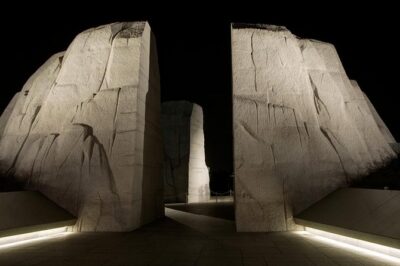 ★ 4.5Guided African American History Tour with Reserved Museum EntryFrom $891,180 reviews
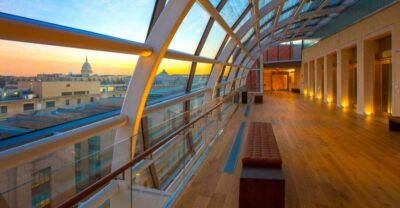 ★ 4.8Museum of the Bible General AdmissionFrom $34494 reviews
 ★ 5.0Smithsonian Museum of Natural History – Exclusive Guided TourFrom $89446 reviews
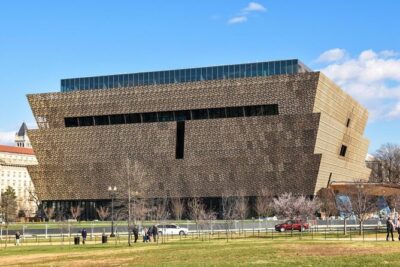 ★ 4.5African American History Tour with Museum of African American History TicketFrom $90390 reviews
 ★ 4.5National Mall Tour with 10 Stops & U.S. Capitol or Museum EntryFrom $59331 reviews
 ★ 4.9African American History Tour & Museum EntryFrom $89312 reviews
 ★ 5.0Smithsonian Museums Walking Tour with Reserved Air & Space EntryFrom $79297 reviews
 ★ 4.5Capitol Combo: U.S. Capitol + Library Congress or Capitol MuseumFrom $79294 reviews
The lists this tour appears in