
Review · BLACK WASHINGTON HERITAGE TOURS
Washington DC History of Slavery Walking Tour
Slavery history is closer than you think. This private Washington DC history of slavery walking tour uses a tight route to connect landmark places to real people and policies that shaped the city.
I especially like the specialist-led storytelling and the way the stops mix well-known DC icons with less-taught chapters, from Lafayette Square to the Decatur House slave pen.
One thing to weigh: the whole experience is about an hour, so each stop is a quick visit. Also, it depends on good weather, and some portions are outside, so plan for sun, shade, and walking pace.
In This Review
- Key things that make this tour worth your time
- How the Tour Fits Together in 60 Minutes
- Lafayette Square: Where the City’s Power Shows Through
- Decatur House Slave Pen Stop: Getting Specific About Washington’s System
- National Mall Quick Hit by Washington Monument
- C&O Canal Lockhouse at Constitution and 17th
- National Museum of African American History and Culture Outside Views
- Price and Logistics: Why $40 Can Feel Like a Deal
- Who Should Book This Tour
- Should You Book This Washington DC Slavery Walking Tour?
Key things that make this tour worth your time
- Specialist guidance with deep context, including named experts like Dr. Koura and Dr. Gibson
- Short stops, strong focus so you leave with locations you can revisit later on your own
- Free admission tickets built into the route at the scheduled sites
- A private group format where you can ask questions and move at your group’s speed
- Hands-on learning habits like visuals sent by text and quick engagement moments mentioned by participants
Black Washington told properly, more heritage walks
- Guided African American History Tour with Reserved Museum Entry
★ 4.5 · 1,180 reviews - African American History Tour with Museum of African American History Ticket
★ 4.5 · 390 reviews - Washington, DC: African American History Tour & Museum Entry
★ 4.9 · 312 reviews - Washington DC: Walking Tour and African American Museum
★ 4.6 · 157 reviews
How the Tour Fits Together in 60 Minutes
This is a compact route built for learning without turning your day into a full marathon. The tour runs about 1 hour, with multiple stops that last around 10 minutes each, plus a brief moment at the Washington Monument area on the National Mall.
You’ll be walking in central DC, and you’ll want to dress for movement: comfortable shoes matter. One participant even suggested using a fitness app to track steps, which is a good reminder that the time is short, but the walking still adds up.
The format helps you learn efficiently. You’re not hunting around on your own looking at plaques and guessing connections. Instead, your guide keeps the thread moving from site to site, so the big picture stays clear as you change neighborhoods and settings.
Lafayette Square: Where the City’s Power Shows Through
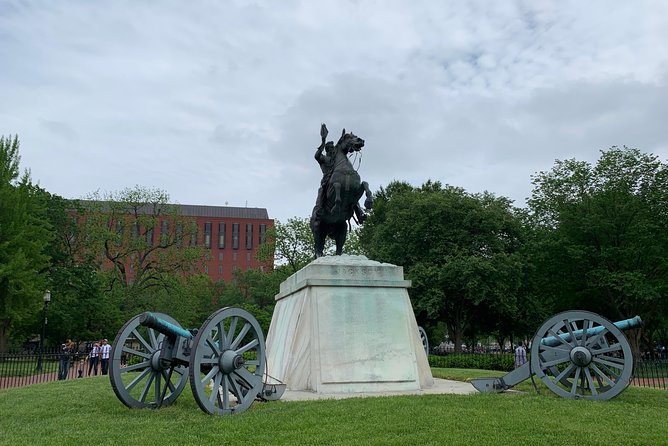
Lafayette Square is the kind of place you think you already know. Then your guide reframes it, tying the symbolism of the square to what slavery and racial power looked like in the early Federal City.
Expect a pointed stop rather than a long wandering session. You’re there for about 10 minutes, and the point is to examine the history of slavery connected to this location, not to stroll for photos only.
What I like about this first stop is how it sets the tone. You start in a highly visible DC location, then you learn how the history lives under the surface. If you’re new to the subject, this is a smart opener because it gives you a mental map for what follows.
A practical note: because it’s a busy, open area, you may get crowds or traffic sounds. If you’re sensitive to noise, bring patience. Your guide will still keep the focus tight.
Decatur House Slave Pen Stop: Getting Specific About Washington’s System
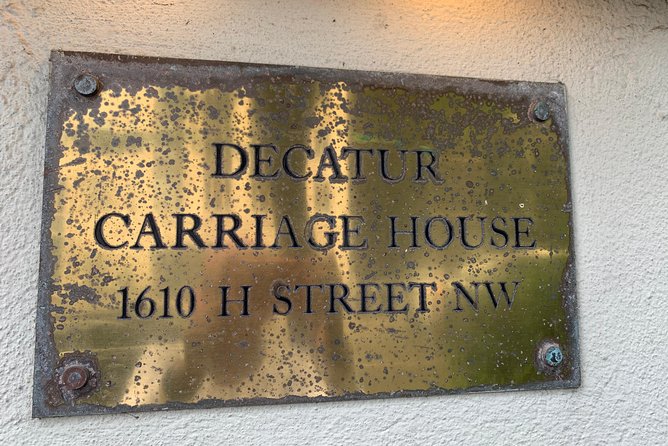
Next up is the Decatur House stop, described as a Slave Pen. This is one of the more direct “this is what it looked like” moments on the walk.
You’ll spend about 10 minutes here, and the experience is set up with free admission tickets for the scheduled visit. That matters. You’re not just looking at a storefront and guessing. You get a structured chance to connect the place to the forced system that operated in Washington.
This stop is also where you benefit most from a guide who can name patterns clearly. Slavery in DC wasn’t only about field labor or plantations far away. It was also about what happened inside the city, how people were held, moved, and controlled, and how everyday DC institutions fit into that reality.
Potential drawback: because the time is short, you’ll likely want to take notes for later. If you’re the type who reads everything slowly, plan a follow-up visit on your own.
National Mall Quick Hit by Washington Monument
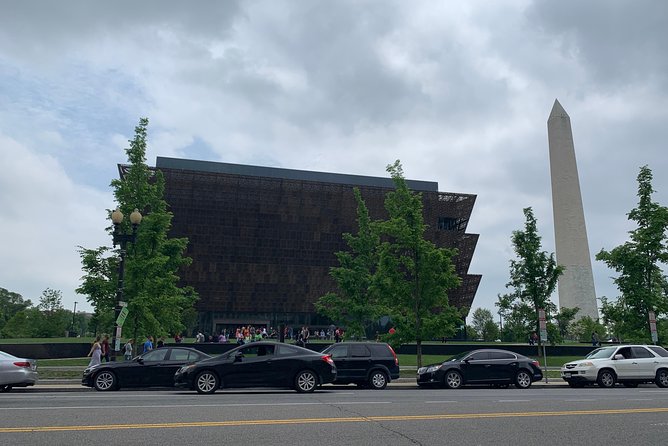
Then you shift gears to the National Mall, with a brief stop near the Washington Monument area. The visit is short, about 10 minutes, and it’s not meant to be a full museum or monument experience.
Instead, think of this as a positioning moment. Your guide uses the Mall’s national symbolism to highlight the African American story woven into the Federal City then and now. You’re learning to see the city’s power, not only its scenery.
What I like here: it keeps you from compartmentalizing history. You’re taught to connect the memorial landscape and federal institutions to the people who were excluded, exploited, or shaped the nation in ways history class often skims.
What to watch for: because it’s brief, you’ll want to pay attention to what your guide says about how DC’s layout and institutions connect to the topic. If you only glance at the views, you might miss the point of this stop.
DC at walking pace, more routes


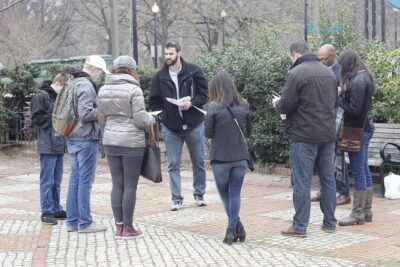
C&O Canal Lockhouse at Constitution and 17th
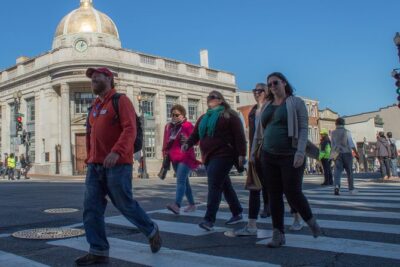
The tour then heads to the C&O Canal area, specifically the lockhouse at Constitution and 17th. Again, the goal is focused learning in a short window—about 10 minutes.
This part works well because canals and transportation routes are where you can often trace the practical mechanics of movement: goods, labor systems, and how DC functioned day to day. Even if you come in thinking of slavery as an abstract concept, transportation and built infrastructure make it feel more concrete.
Your guide ties this setting back to African American history and culture in Washington. That kind of connection is what turns a canal-side view into something you actually remember after the walk ends.
One consideration: canal areas can be exposed depending on weather and wind. If it’s chilly or hot, you’ll feel it. If you’re going in peak summer heat, carry water.
National Museum of African American History and Culture Outside Views
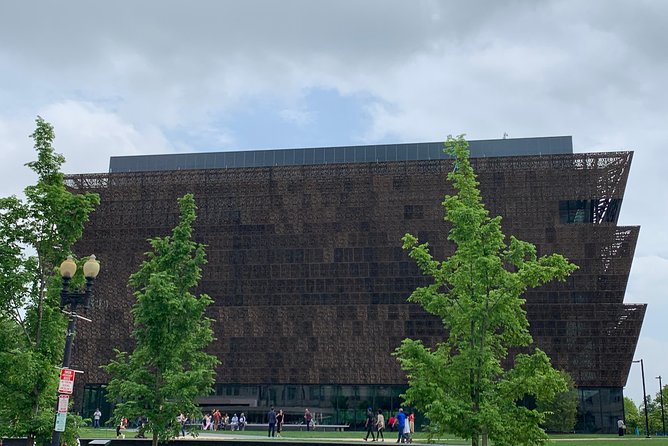
The final stop is at the National Museum of African American History and Culture, with time spent on the outside architecture. You’re there for about 10 minutes, and the tour ends at the southeast corner near 15th St.
This is a smart ending for two reasons. First, the museum’s exterior is memorable, so it gives you a visual anchor for what you learned. Second, finishing by the museum sets you up to decide whether you want to do more that day, depending on what’s open and what fits your schedule.
Because the stop is outside, don’t expect a full interior walkthrough as part of this specific tour. The value here is the interpretation and the quick, guided reading of the building’s presence and meaning.
If you want a longer museum visit, this tour can function like your warm-up act. You’ll likely leave with more motivation to spend time inside because you’ll already know what to look for.
Price and Logistics: Why $40 Can Feel Like a Deal
At $40 per person for about 1 hour, this tour can be good value, especially because the format is private: only your group participates. Private does a lot for you. It keeps questions from getting lost, and it lets the guide adjust pacing if your group wants to spend extra time on one stop.
Also, the schedule includes free admission tickets for the listed sites, which helps prevent the typical DC problem of surprise costs piling up. You’re paying for guided learning and time, not for entry fees.
Two practical trade-offs:
- Private transportation is not included, so you’re responsible for getting to the start point.
- The tour requires good weather, since it’s built around walking outdoors.
If you like planning with built-in anchors, this one gives you that. If you prefer to avoid guided talking and do only self-led sightseeing, the structured narration might feel like too much. But for most visitors, it’s exactly the right length to learn without draining your whole day.
Who Should Book This Tour
I think this tour fits best if you:
- want a focused, guided way to understand Washington DC slavery history without piecing sources together
- enjoy learning from named experts, with participants mentioning Dr. Koura and Dr. Gibson specifically
- like short stops that feel like an outline you can expand later
It’s also a solid choice for first-time DC visitors who know the major monuments but want the story that gets less classroom time.
Because the experience is described as walkable and most travelers can participate, it’s generally accessible for many people, and service animals are allowed. If you have mobility limits, you’ll want to think carefully about how comfortable you are with the overall walking duration and outdoor exposure.
Should You Book This Washington DC Slavery Walking Tour?
Yes, if you want a fast, high-impact introduction that connects the city’s most visible places to the forced history behind them. The strongest reasons to book are the specialist-led guidance, the tight route, and the fact that you get interpretive context at multiple sites that you can’t easily connect on your own.
I’d book with a small caution if you’re extremely schedule-sensitive. There is at least some record of issues where a guide didn’t show up and the provider later explained a scheduling mismatch, along with a refund. To protect yourself, confirm details shortly before the start time and be ready to reach out if anything feels off.
If your goal is to leave DC with more than photos—if you want locations, names, and connections you can actually use—this is a smart use of an hour.
DC on Foot: More Walks






More Tour Reviews in Washington DC






Black Washington, Told Properly




Just Added: Fresh Washington DC Reviews
- Washington : Private Custom Walking Tour With A Guide (Private)★ 3.5 · 3 reviews
- 3-Hour Small Group Memorial Tour in Washington, D.C.★ 4.0 · 3 reviews
- Washington DC Private Guided Bus Day Tour with Step Off Guide★ 5.0 · 3 reviews
- Washington, DC: The Good Liar: Brian Curry★ 5.0 · 3 reviews
- DC Monuments Walking Tour: Small Group, Big Ideas★ 5.0 · 3 reviews
- Washington DC: Library of Congress Private Tour with Tickets★ 5.0 · 3 reviews
Black Washington Heritage Tours, side by side.
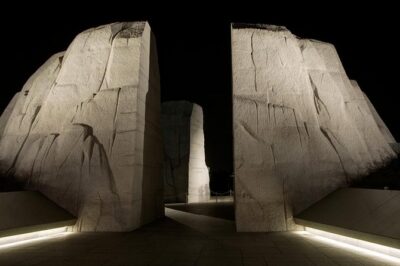 ★ 4.5Guided African American History Tour with Reserved Museum EntryFrom $891,180 reviews
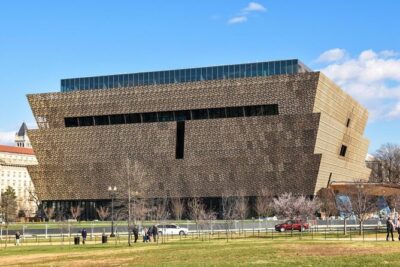 ★ 4.5African American History Tour with Museum of African American History TicketFrom $90390 reviews
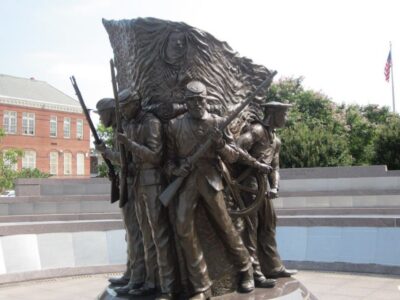 ★ 4.9African American History Tour & Museum EntryFrom $89312 reviews
 ★ 4.6Walking Tour and African American MuseumFrom $80157 reviews
 ★ 4.7African American History Museum Private TourFrom $35054 reviews
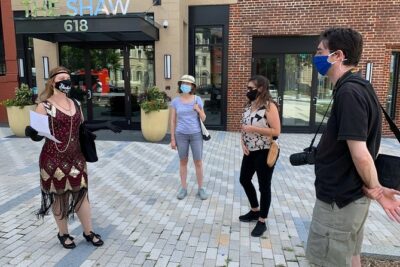 ★ 5.0Harlem Renaissance in DC Walking TourFrom $3036 reviews
 ★ 4.5DC Landmarks Walking Tour + African American Museum AdmissionFrom $8034 reviews
 ★ 4.0Private Guided Tour of African American History MuseumFrom $35031 reviews
The lists this tour appears in