
Review · SMITHSONIAN & MUSEUM TOURS
National Archives + National Portrait Gallery Tour 6ppl Max
Documents can still feel alive. This tour pairs National Archives highlights with Smithsonian Portrait Gallery stories, so you see how America’s ideas were written down and then pictured. I love the chance to stand close to the Charters of Freedom and then keep the same thread through the Portrait Gallery’s major figures. I also like that you get a live guide in a small group setting, not a rushed stamp-and-go. One drawback: the pace is tour-paced, so if you want hours of free wandering, this is more highlights than slow museum time.
In the Archives, you’ll get oriented fast and see the documents that shaped US government, including the Bill of Rights and a copy of the Magna Carta (dated 1297). After a break, the day shifts to presidential portraits, plus works by big names like Mary Cassatt, Edward Hopper, Andy Warhol, and Norman Rockwell.
In This Review
- Key Points You’ll Care About
- Meeting the Day: Where You Start and How Not to Waste Time
- The National Archives Portion: Why the Rotunda Matters More Than You Think
- The Bill of Rights and the feeling of real wording
- Magna Carta and Citizenship: The 1297 Thread Through US Rights
- A Rosa Parks citation enters the conversation
- Timing Reality Check: How Highlights Tours Can Feel Tight
- The Break and Reset: Why You’ll Want a Snack
- Portrait Gallery Meets American Art: What You See in the Smithsonian Space
- Presidential Portraits: portraits that function like national storytelling
- Artists you’ll likely spot
- The Luce Center and the Lunder Conservation Center Peek
- Group Size and Pricing: Is $174 Worth It?
- Logistics That Matter: ID, bags, and what to pack
- Accessibility note: confirm before you go
- Who This Tour Fits Best (and Who Might Want Another Option)
- Should You Book This National Archives + Portrait Gallery Tour?
- FAQ
- Where do I meet for the tour?
- Is there a skip-the-line ticket included?
- What’s included in the National Archives portion?
- What will I see in the Portrait Gallery segment?
- How large is the group?
- What should I bring, and what can’t I bring?
- Is the tour wheelchair accessible?
Key Points You’ll Care About
- Skip-the-line entry helps you start with the right context instead of fighting lines
- The Archives focus on the Charters of Freedom and big governing ideas
- You’ll also see a 1297 Magna Carta and discussion of citizenship and rights
- Portrait Gallery highlights include Presidential Portrait Gallery and major American artists
- The route includes relaxed time in the Kogard Courtyard and a peek tied to conservation work
More Smithsonian halls, out of the weather
- Guided African American History Tour with Reserved Museum Entry
★ 4.5 · 1,180 reviews - Smithsonian Museum of Natural History – Exclusive Guided Tour
★ 5.0 · 446 reviews - African American History Tour with Museum of African American History Ticket
★ 4.5 · 390 reviews - National Mall Tour with 10 Stops & U.S. Capitol or Museum Entry
★ 4.5 · 331 reviews
Meeting the Day: Where You Start and How Not to Waste Time
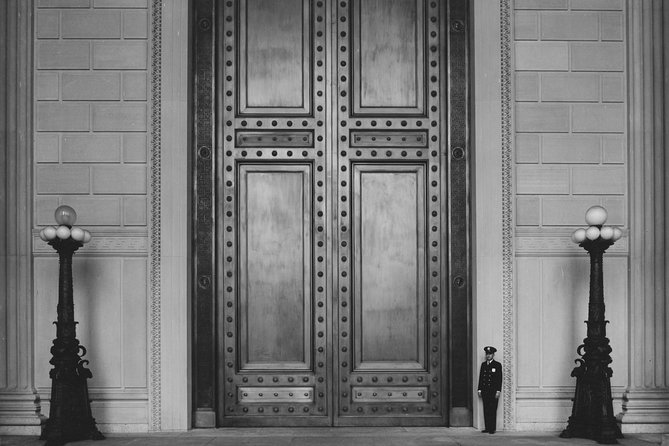
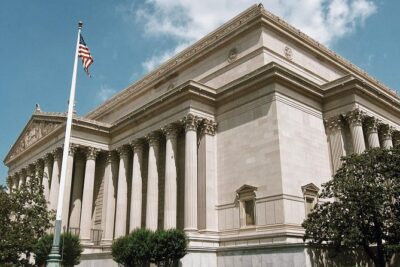
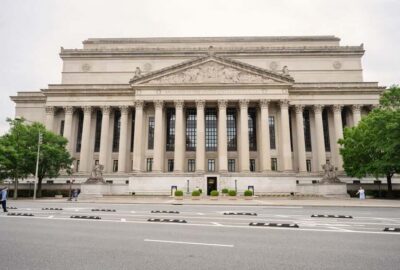
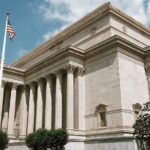
You’ll meet on the bottom of the front stairs of the National Archives Building on Constitution Ave NW. That’s a smart start point because it puts you right at the building you came for, and it helps you avoid that first-hour DC feeling of, now where are we supposed to be?
This tour is scheduled for about 330 minutes total (so just over five hours). The day is built around two two-hour highlights tours: one for the National Archives and one for the Portrait Gallery/Smithsonian American Art Museum area. In other words, you’re not getting a full museum pass to see everything. You’re getting the story rails that connect the most important pieces.
Also note the practical limits: the group stays small, with a maximum of 8 people for the private option. That matters here. The Archives are intense. A live guide helps you read what you’re looking at, and it’s easier to ask questions when you’re not shoulder-to-shoulder.
The National Archives Portion: Why the Rotunda Matters More Than You Think
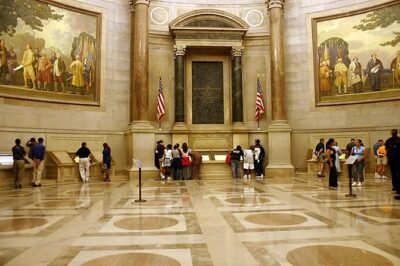
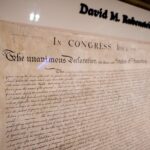
The National Archives Building doesn’t just hold documents—it frames them. Your guide starts with the original handwritten Charters of Freedom in the building’s Rotunda, and that’s where the tour earns its time. Seeing these items in the Rotunda changes the way you process them. You’re not just reading history off a sign. You’re standing inside the building built around those founding-era artifacts.
You’ll also learn the circumstances that helped bring the nation into existence. The point isn’t trivia. It’s context: what pressures were happening, what concepts were being argued, and how the wording still affects the country today.
Two specific things I especially like about this part:
- You skip the ticket line, which lets the guide get you into the right headspace right away.
- The guide’s narrative connects documents to ideas, not just dates and names.
The Bill of Rights and the feeling of real wording
One of the most compelling parts of an Archives visit is that the documents are treated as working foundation, not just museum pieces. You’ll admire the Bill of Rights, and you’ll get the sense that the founding documents are part of a chain of interpretation that’s still alive.
If you’re the kind of person who reads the US Constitution for fun (or if you’ve ever wondered why specific rights were placed where they are), you’ll get more out of this guided format than you would wandering.
Magna Carta and Citizenship: The 1297 Thread Through US Rights
In the Rubenstein Gallery, you’ll go further with a 1297 copy of the Magna Carta. This is a fascinating pivot because the Magna Carta isn’t US-only. It’s part of the longer legal tradition that influences how people think about rights, rule of law, and citizenship.
The guide leads you around the room as the meaning of citizenship and who is included evolves from foundational ideals tied to unalienable rights. That framing helps you see the US founding period as something shaped by argument and interpretation—not as a neat, one-day creation.
The founding documents up close, more Archives visits

A Rosa Parks citation enters the conversation
You’ll also see a citation to Rosa Parks during the tour. That detail matters because it shows how later Americans used rights language and civic pressure to push the country forward. It prevents the tour from becoming stuck in only the 1700s mode.
This is one of those tour choices that works well in a highlights format: it keeps the story moving from origins to later consequences without turning the visit into a long lecture.
Timing Reality Check: How Highlights Tours Can Feel Tight
Here’s the honest part. You have two major stops, each about two hours, plus transit and a break in between. That means you’ll move at a steady pace, and you won’t have unlimited time to linger.
There’s a second layer to this: museums sometimes shift due to crowds, quiet areas, or building operations. Inside the National Archives, some rooms are subject to quiet or restricted right to speak, and the guide will set expectations before entering. That helps keep the experience smooth, but it also means your guide’s ability to talk freely may change from room to room.
And just to keep expectations realistic: one earlier booking described a communication and timing breakdown where the guide was hard to hear and they ended up leaving early after only a short part of the experience. You can’t plan for every glitch, but you can protect yourself by staying close to the group, arriving on time, and having patience if the schedule gets tugged by real-world crowd flow.
The Break and Reset: Why You’ll Want a Snack
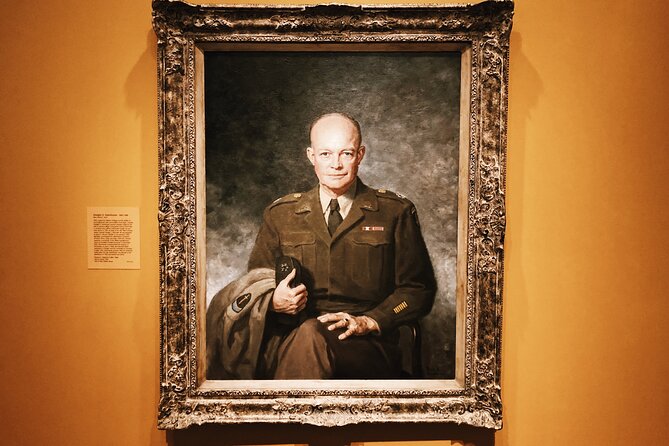
After the Archives portion, there’s a break so you can ponder the complexity of history and grab a bite. This matters more than you might think. You’re going from document rooms to portrait galleries and art spaces—your attention will flag if you’re running on museum snack rules only.
Food and drink aren’t included, so bring a light plan: water in your bag and something easy to eat during the break. If you tend to get headaches when you skip meals, treat the break as part of the tour, not an optional gap.
Portrait Gallery Meets American Art: What You See in the Smithsonian Space
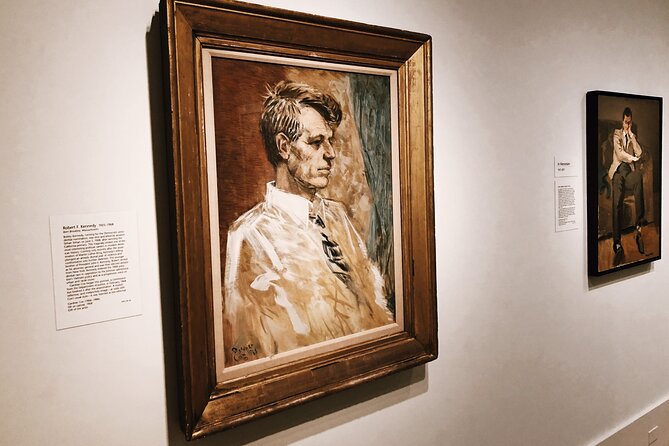
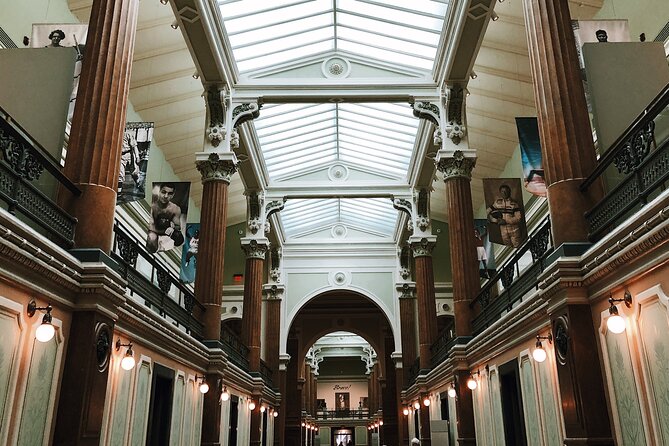
After the break, your guide leads you through the Smithsonian National Portrait Gallery and the Smithsonian American Art Museum area, designed so the hallways flow between the two collections. The tour uses that connection well: you get portrait-focused stories, but with enough overlap to show how American identity gets expressed through art forms beyond painting alone.
There’s also a genuinely calming transition point included in the route: the Kogard Courtyard. If your DC day is otherwise all concrete and lines, this kind of pause helps you reset your eyes for the next rooms.
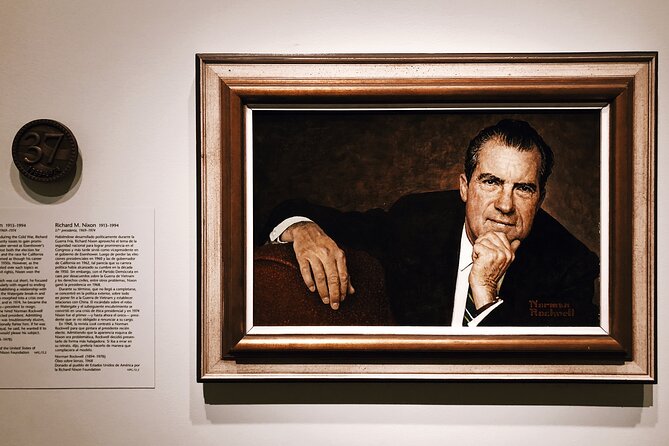
Presidential Portraits: portraits that function like national storytelling
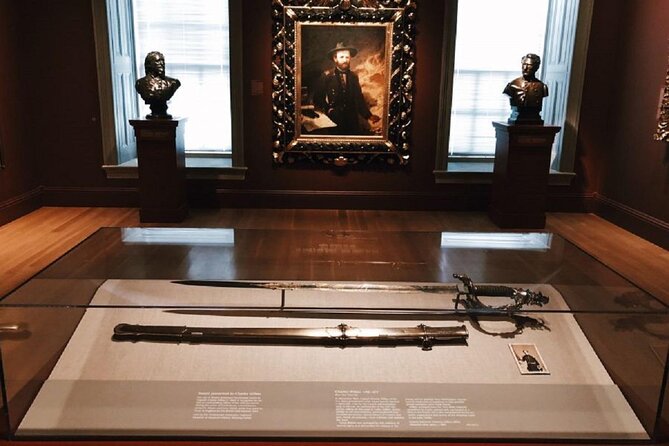
You’ll see the famous Presidential Portrait Gallery. The way these portraits are framed makes a big difference. You’re not just looking at faces. You’re seeing a visual record of leadership that the guide helps you connect to broader US themes.
On top of presidential portraits, you’ll hear stories about other famous Americans across painting, sculpture, and video formats. This section works especially well if you like the idea that history lives in media choices—who gets painted, photographed, sculpted, and remembered.
Artists you’ll likely spot
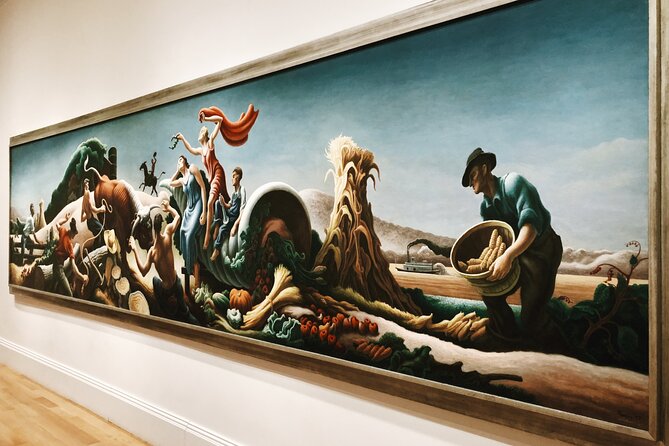
The tour highlights works by major figures including Mary Cassatt, Edward Hopper, Andy Warhol, and Norman Rockwell. Even if you don’t know their work deeply, you’ll be glad you came in with a guide pointing out what to look for. In a highlights tour, the guide’s job is basically to teach your eyes what’s important in each room.
The Luce Center and the Lunder Conservation Center Peek
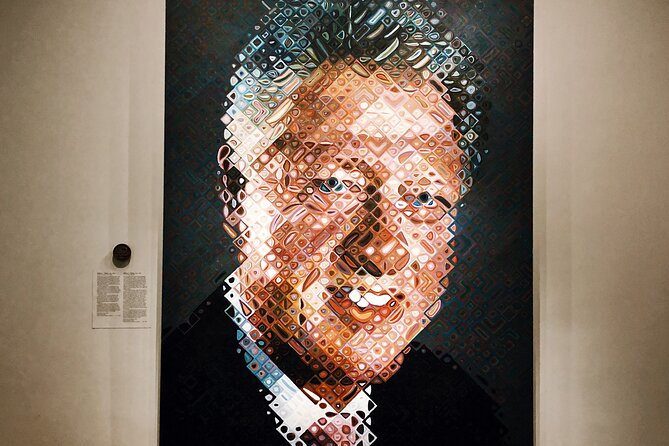
One of the more interesting parts of this tour is that you’ll get a chance to peek inside the labs of the Lunder Conservation Center (in the Luce Center portion of American art). Conservation labs are a great reality check: art doesn’t just sit there. It’s maintained, studied, and repaired.
That kind of peek changes how you look at the artworks after. You start noticing damage, materials, and the way restoration choices can shape what you think you’re seeing. Even if you only catch a glimpse of how the work is done, it’s a high-value stop because it turns the museum from a display into an ongoing process.
And since the tour is highlights-only, this kind of behind-the-scenes moment adds a lot of value per minute.
Group Size and Pricing: Is $174 Worth It?

At $174 per person for a roughly 5.5-hour tour, you’re paying for three things:
- Skip-the-line entry that can save a chunk of time at the National Archives
- A professional local expert guide for two guided highlights sections
- The added context that helps you see meaning, not just objects
If you were going to museum-hunt on your own, you could likely cover the Archives and then walk through Portrait Gallery. But you’d miss the guided connections: the way the story thread moves from founding documents to the later use of rights language, and the way the guide points you toward what matters in each room.
Is it a “see everything” price? No. It’s a highlights-and-story price. If that matches what you want—an efficient, guided overview you can build on later—it’s good value. If you want a slow, unscripted day where you linger for hours in one wing, you’ll likely feel impatient with the structure.
Logistics That Matter: ID, bags, and what to pack

This tour asks you to bring a passport or ID card. And you should plan to travel light. Luggage and large bags aren’t allowed through security, though you can bring a handbag or small thin backpack.
For your comfort, wear comfortable shoes. You’ll be on your feet through multiple museum areas. It’s also smart to bring water, and an umbrella and hat if rain or summer sun are in the forecast.
If you’re sensitive to noise, keep in mind the National Archives may have rooms with quiet or restricted right to speak, so your guide’s tone and your ability to ask questions may change.
Accessibility note: confirm before you go
The activity information says it is not suitable for wheelchair users. At the same time, it also suggests advising the provider when booking if you require a wheelchair accessible tour. That’s a mismatch, so don’t guess—confirm your situation directly with Babylon Tours before booking so you know what can realistically work on your date.
Who This Tour Fits Best (and Who Might Want Another Option)
This is a strong fit for you if:
- You want a guided US identity lesson that connects documents to later civic change
- You’re short on time in Washington DC and want the highlights done right
- You enjoy art with a story, not just a gallery walk
It’s less ideal if:
- You plan to spend a lot of time independently rereading labels and lingering in the same rooms
- You need wheelchair-friendly routing and haven’t confirmed access details
Should You Book This National Archives + Portrait Gallery Tour?
If you want an efficient, story-driven day with skip-the-line entry, a professional guide, and a route that links founding documents to presidential imagery and major American art, I think this is worth considering. The best part is the way the tour keeps meaning tied to what you’re actually seeing—Charters of Freedom, the Magna Carta connection, and then portraits and conservation insights.
Before you book, do one quick check with yourself:
- Do you like guided context, or do you prefer quiet self-paced museum time?
- Can you travel light with no large bags?
- And if accessibility is an issue, can you confirm details clearly ahead of time?
If your answers are yes, you’ll likely leave with that rare museum feeling: you didn’t just look at history—you understood the thread.
FAQ
Where do I meet for the tour?
Meet on the bottom of the front stairs of the National Archives Building on Constitution Ave NW.
Is there a skip-the-line ticket included?
Yes. The tour includes skip-the-line entry at the National Archives.
What’s included in the National Archives portion?
You get a two-hour highlights tour of the National Archives Building, including time in the Rotunda to see the Charters of Freedom, plus other guided viewing tied to founding-era documents and ideas.
What will I see in the Portrait Gallery segment?
You’ll take a two-hour highlights tour that covers the Smithsonian National Portrait Gallery and the Smithsonian American Art Museum, including the Presidential Portrait Gallery and stops tied to major American artists. The route also includes the Kogard Courtyard and a peek connected to conservation labs.
How large is the group?
The tour offers private or small groups, with no more than 8 people for the private option.
What should I bring, and what can’t I bring?
Bring a valid photo ID (passport or ID card). Large bags or luggage are not allowed, but you can bring a handbag or small thin backpack.
Is the tour wheelchair accessible?
The information provided notes it is not suitable for wheelchair users. It also says you can advise when booking if you require a wheelchair accessible tour, so you should confirm your exact needs directly with the provider before going.
More Tour Reviews in Washington Dc




The Founding Documents Up Close



More Smithsonian Halls



Just Added: Fresh Washington DC Reviews
- Washington : Private Custom Walking Tour With A Guide (Private)★ 3.5 · 3 reviews
- 3-Hour Small Group Memorial Tour in Washington, D.C.★ 4.0 · 3 reviews
- Washington DC Private Guided Bus Day Tour with Step Off Guide★ 5.0 · 3 reviews
- Washington, DC: The Good Liar: Brian Curry★ 5.0 · 3 reviews
- DC Monuments Walking Tour: Small Group, Big Ideas★ 5.0 · 3 reviews
- Washington DC: Library of Congress Private Tour with Tickets★ 5.0 · 3 reviews
Smithsonian & Museum Tours, side by side.
 ★ 4.5Guided African American History Tour with Reserved Museum EntryFrom $891,180 reviews
 ★ 4.8Museum of the Bible General AdmissionFrom $34494 reviews
 ★ 5.0Smithsonian Museum of Natural History – Exclusive Guided TourFrom $89446 reviews
 ★ 4.5African American History Tour with Museum of African American History TicketFrom $90390 reviews
 ★ 4.5National Mall Tour with 10 Stops & U.S. Capitol or Museum EntryFrom $59331 reviews
 ★ 4.9African American History Tour & Museum EntryFrom $89312 reviews
 ★ 5.0Smithsonian Museums Walking Tour with Reserved Air & Space EntryFrom $79297 reviews
 ★ 4.5Capitol Combo: U.S. Capitol + Library Congress or Capitol MuseumFrom $79294 reviews
The lists this tour appears in