
Review · NATIONAL ARCHIVES TOURS
National Archives Skip the Line Guided Tour Semi-Private 6ppl Max
Original documents, no museum maze. In about 1.5 to 2 hours, this semi-private skip-the-line tour helps you get oriented fast and then see the most important papers in the National Archives without feeling lost in crowds.
I love two things most: you get up-close access to the signed founding documents (yes, the ones that shaped how the US works), and you also get story-driven guiding that makes the exhibits click instead of just scrolling past labels. In particular, guides like Maribeth, Meghan, Donna, and Bess are praised for keeping the group focused and bringing real context to the papers.
One consideration: even with skip-the-line style access, DC museums can still be tight at security, and this tour requires a moderate physical fitness level. It’s also not available for anyone using a wheelchair or with walking disabilities, and bag rules are strict inside.
In This Review
- The National Archives Rotunda: Where the Tour Gets Your Bearings
- Constitution, Declaration, Bill of Rights: Seeing the Originals in Real Time
- Public Vaults Exhibits: Presidential Letters and the Civil Rights Thread
- A quick note for families
- Rubenstein Gallery and the Magna Carta of 1297
- Semi-Private Max 8: Small Group Energy That Actually Helps
- Skip the Line: Good Odds, Still Plan for Security
- What the 1.5 to 2 Hour Timing Feels Like on the Ground
- Price and Value: Is $105.73 Worth It?
- Who Should Book This (and Who Might Skip It)
- Should You Book This National Archives Tour?
- FAQ
- How long is the National Archives skip-the-line guided tour?
- What group size should I expect?
- What are the main documents and exhibits this tour focuses on?
- Where does the tour start?
- Is this tour admission included?
- Do I need a mobile ticket or phone number?
- Is hotel pickup or drop-off included?
- Is the tour wheelchair accessible?
- What’s the cancellation cutoff for a full refund?
The National Archives Rotunda: Where the Tour Gets Your Bearings
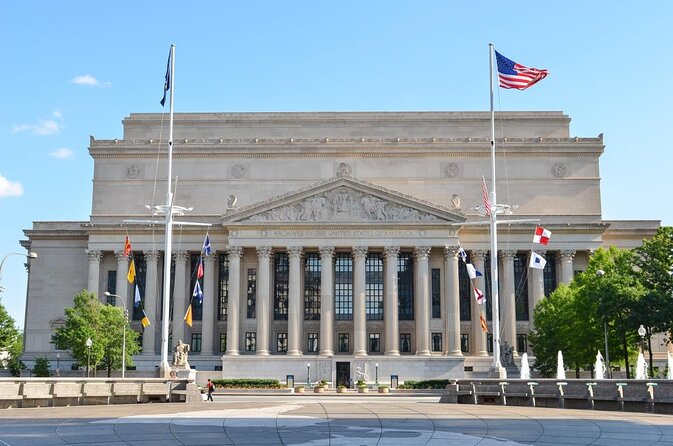
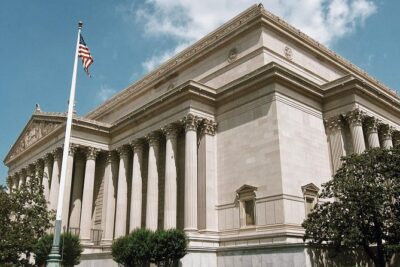
The meeting point is the National Archives Museum at 701 Constitution Ave. NW, Washington, DC 20408. From there, the flow is simple: you start in the building’s main hub and then move into the exhibit areas in an order that makes sense. You’re not just looking at documents; you’re learning how the collection is organized and why certain items get treated like national anchors.
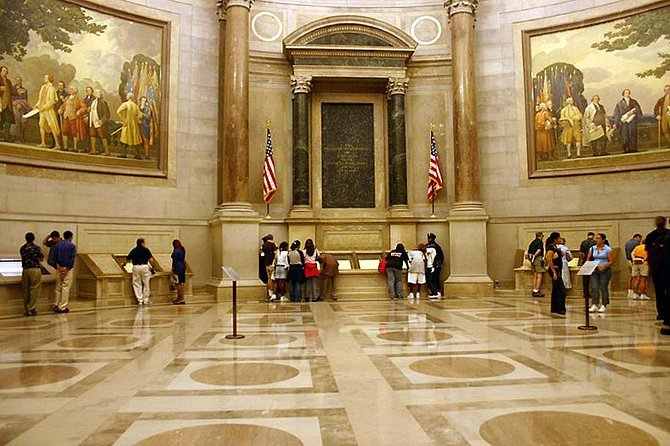
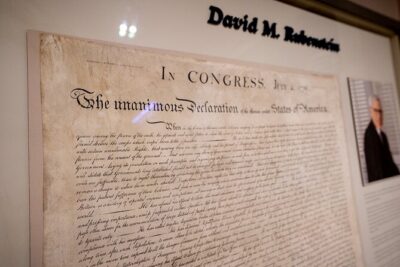
The Rotunda is where the “oh wow” moment usually lands. You’ll learn about the Declaration of Independence and the Constitution while standing in front of the preserved originals from the 17th and 18th centuries. That standing-in-place part matters. It helps you understand scale and placement, and it stops the usual problem of trying to memorize dates while you’re walking.
If you’re visiting with kids or teens, this opening also does a smart job. Several guides are specifically praised for reengaging younger visitors with questions and participation, so the tour doesn’t turn into adults quietly nodding while the kids check out.
The founding documents up close, more Archives visits
- VIP Best of DC with US Capitol + National Archives Reserved Entry
★ 4.5 · 2,491 reviews - National Archives Skip the Line Guided Tour Semi-Private 6ppl Max
★ 5.0 · 196 reviews - Washington DC: National Archives and US Capitol Guided Tour
★ 4.6 · 126 reviews - VIP National Archives Skip-The-Line Guided Tour 6 ppl Max
★ 5.0 · 126 reviews
Constitution, Declaration, Bill of Rights: Seeing the Originals in Real Time
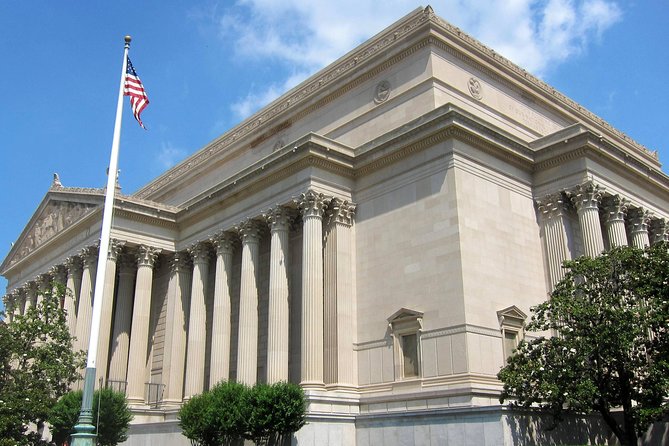
This is the core reason to book. The tour highlights the kinds of documents you’ve heard about your whole life, but it’s different when you’re staring at original pages instead of textbook images.
You’ll also hear about other headline items in the same area, including the Bill of Rights and the Federalist Papers. And you’ll get context about the signatures you may recognize from history class—especially the statesmen whose names show up across multiple documents. For example, Alexander Hamilton comes up as part of how these papers connect.
Here’s the practical value: when someone narrates the relationships between documents, you stop treating the founding era like a pile of separate facts. You start seeing it as one big conversation about government power, rights, and enforcement—because the guide ties the pieces together as you move through the rooms.
Public Vaults Exhibits: Presidential Letters and the Civil Rights Thread
After the Rotunda, you’ll head to the Public Vaults Exhibits. This is where the National Archives stops being only about beginnings and starts showing how the nation kept changing—and fighting about it.
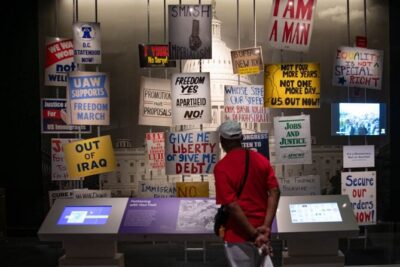
Expect to see letters written by presidents, including George Washington and John F. Kennedy. Then the tour widens into a more difficult, important topic: the long racial and civil rights struggle in the US. You’ll learn about the Emancipation Proclamation and how later papers show that the fight didn’t end with one major announcement.
The stop includes a look at a citation connected to Rosa Parks, which gives the story a more direct, human scale. Instead of only hearing about movements in broad terms, you get a clearer sense of how specific people, actions, and official paperwork connect across decades.
One more nice touch: the guide doesn’t just point at text. They explain what you’re looking at and why it mattered at the time. That’s also why this tour tends to feel worth it when you compare it to a self-guided visit. You’re paying for a map in your head.
A quick note for families
If you’re bringing younger visitors, this portion often lands well because it breaks the “just names on paper” problem. It helps kids understand that history involves choices and consequences, not only dates in a timeline.
Rubenstein Gallery and the Magna Carta of 1297
One of the most surprising turns on the tour is the connection far beyond American borders. In the Rubenstein Gallery, you’ll examine an item from 1297: the Magna Carta.
This isn’t included as a random museum flex. The point is the influence. You’ll hear how a document written long before Europeans discovered the Americas still shaped thinking that later echoes through political rights and legal limits. So, even if you came for US documents only, you leave seeing why older roots matter.
Why I think this part works: it gives you a “history in motion” feeling. The founding era didn’t appear out of nowhere. Ideas traveled, changed, and got repackaged into different legal and political systems.
Worth lining up before you book this DC tour:
Semi-Private Max 8: Small Group Energy That Actually Helps
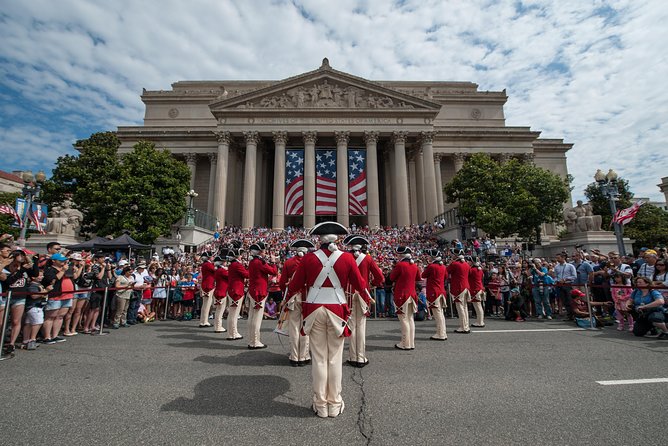
This is a semi-private setup with a max of 8 travelers. That small size changes the visit in very practical ways.
First, you move as a unit without getting swallowed by a huge crowd. Second, your guide can slow down when the group needs it, especially when questions pop up. Third, it becomes easier to linger in the right spots—important when the exhibits are text-heavy and security makes you want to keep moving quickly.
If you’re the kind of person who hates rushing through museums, this format tends to feel calmer. One review-style theme that shows up again and again in the guide selections is that the guides take time with the group while still keeping you on schedule.
Also, you might get a guide with a particular flair. Names that show up across the strongest feedback include Maribeth, Meghan, Donna, Bess, Rebecca, Jennifer, Richard, Brenda, and Annette. The common thread is enthusiasm paired with structure: stories with a reason, not just a pile of facts.
Skip the Line: Good Odds, Still Plan for Security
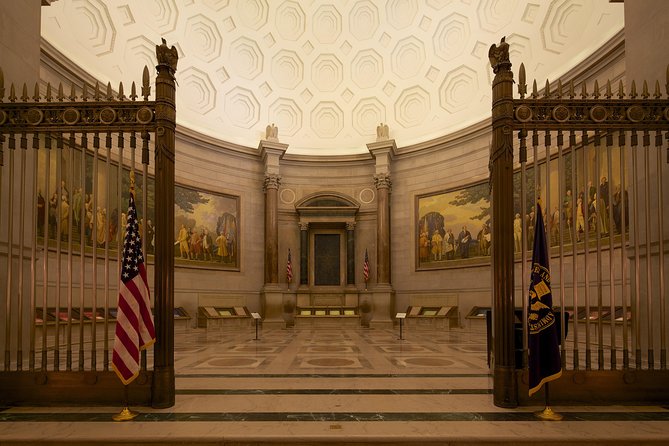
The tour’s promise is skip-the-line style access, and you should absolutely treat that as a real benefit—especially because it helps you reach key viewing areas earlier, when it’s easier to focus.
That said, don’t assume DC equals empty halls. The tour notes that some lines can still form even with skip-the-line or no-wait access due to security changes at attractions. Translation: plan to be patient if security feels slow that day.
Here are the practical things to do so your experience stays smooth:
- Keep your phone ready. The tour requires a mobile phone number with country code.
- Bring a small bag. No large bags or suitcases are allowed inside the museum; only handbags or small thin bag packs go through security.
- Keep cameras in mind. One unhappy moment mentioned in the tour feedback included cameras being restricted, so it’s smart to check posted rules at security and follow staff instructions fast.
If you do these things, you’ll spend more of your 1.5 to 2 hours looking, not wrangling.
What the 1.5 to 2 Hour Timing Feels Like on the Ground
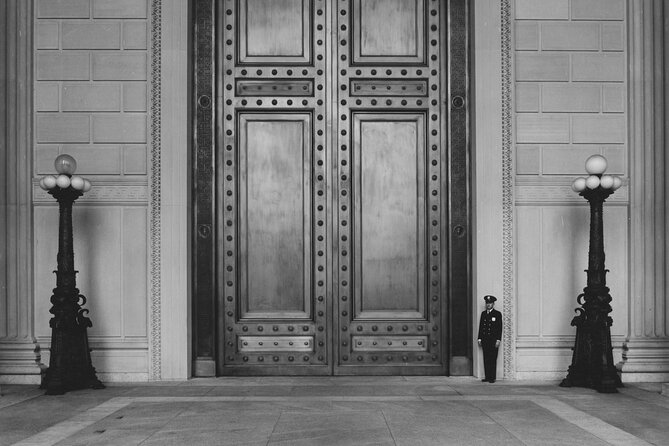
The duration is listed as 1 hour 30 minutes to 2 hours. That window is a sweet spot for this building.
Long enough to cover the major highlights:
- Rotunda documents tied to Declaration and Constitution topics
- Public Vaults items, including presidential letters
- Civil rights materials and later-connected documents
- Rubenstein Gallery and the Magna Carta influence thread
Short enough that you’re not exhausted by the end. And because you’re moving in a guided flow, you’ll likely understand more than you could by reading every label on your own.
One more practical point: some rooms are quiet or have restricted speaking rules. Your guide should explain where those rules apply before you enter. That helps you avoid the awkward moment of whispering like you’re in a library when you thought you were in a museum.
Price and Value: Is $105.73 Worth It?

At $105.73 per person, this tour isn’t the cheapest thing on a Washington DC day. The key question is what you gain.
Here’s what you’re buying:
- A guide who ties documents together into a story you can remember
- A small group cap (8 max), which makes pacing and attention better
- Skip-the-line style access to improve your chances of seeing items early and up close
- A structured route that prevents wasted time
If you’re the type of visitor who likes reading, sure, you could self-guide. But the Archives is also the kind of place where context makes the originals feel far more powerful. When you hear how the documents connect—rights to enforcement, proclamations to later orders, older legal ideas to later systems—you walk out with a cleaner mental map.
Also, the guides get called out repeatedly for making the time feel worth it. That matters here because you’re paying for interpretation, not only admission.
My take: if you want the highest chance of getting quality viewing time plus an explanation that sticks, $105.73 can be a very fair spend.
Who Should Book This (and Who Might Skip It)

This is a great fit if you:
- Want to see the Constitution, Declaration, Bill of Rights, and major related papers up close
- Prefer a planned route over wandering and guessing
- Enjoy history explanations that work for kids as well as adults
- Like small groups and early access to crowded exhibits
It might not be the best fit if you:
- Need wheelchair access or have walking disabilities (this tour is not available for that)
- Travel with a large bag or suitcase (security won’t allow it)
- Hate any chance of security friction and line unpredictability in DC
If you’re a hardcore document nerd, you’ll also appreciate the way the tour connects the Magna Carta influence to later thinking—because it turns the visit into a bigger story than just US founding.
Should You Book This National Archives Tour?
Book it if you want a confident, time-smart visit to one of DC’s most important museums. The small-group size and skip-the-line style access help you see key documents with less stress. And the most praised part—guides who bring the papers to life without losing the plot—can make the originals feel real instead of distant.
Skip it only if you’re determined to go entirely on your own, or if the mobility and bag rules won’t work for you. Otherwise, this is one of those tours where the cost mostly pays for interpretation plus access, which is exactly what you want at the National Archives.
FAQ
How long is the National Archives skip-the-line guided tour?
It runs about 1.5 to 2 hours.
What group size should I expect?
It’s semi-private with a maximum of 8 guests.
What are the main documents and exhibits this tour focuses on?
You’ll see and learn about major founding documents in the Rotunda, items in the Public Vaults Exhibits (including presidential letters and civil rights related materials), and older influences like the Magna Carta in the Rubenstein Gallery.
Where does the tour start?
The tour starts at National Archives Museum, 701 Constitution Ave. NW, Washington, DC 20408, USA, and it ends back at the same meeting point.
Is this tour admission included?
Yes. Admission Ticket Free is listed as part of the experience.
Do I need a mobile ticket or phone number?
You need to provide a mobile phone number (including country code), and the tour uses a mobile ticket.
Is hotel pickup or drop-off included?
No. Hotel pickup and drop-off are not included.
Is the tour wheelchair accessible?
No. The tour is not available for those with walking disabilities or using a wheelchair.
What’s the cancellation cutoff for a full refund?
You can cancel up to 24 hours in advance for a full refund.
More Skip the Line in Washington DC





More Tour Reviews in Washington DC






The Founding Documents Up Close



Just Added: Fresh Washington DC Reviews
- Washington : Private Custom Walking Tour With A Guide (Private)★ 3.5 · 3 reviews
- 3-Hour Small Group Memorial Tour in Washington, D.C.★ 4.0 · 3 reviews
- Washington DC Private Guided Bus Day Tour with Step Off Guide★ 5.0 · 3 reviews
- Washington, DC: The Good Liar: Brian Curry★ 5.0 · 3 reviews
- DC Monuments Walking Tour: Small Group, Big Ideas★ 5.0 · 3 reviews
- Washington DC: Library of Congress Private Tour with Tickets★ 5.0 · 3 reviews
National Archives Tours, side by side.
 ★ 4.5VIP Best of DC with US Capitol + National Archives Reserved EntryFrom $1292,491 reviews
 ★ 5.0Skip-the-line National Archives Building Exclusive Guided TourFrom $105381 reviews
 ★ 5.0VIP National Archives Skip-The-Line Guided Tour 6 ppl MaxFrom $59126 reviews
 ★ 4.6National Archives and US Capitol Guided TourFrom $53126 reviews
 ★ 5.0National Archives Skip-the-Line Guided TourFrom $5985 reviews
 ★ 5.0National Archives + American History Museum Tour 8ppl MaxFrom $16680 reviews
 ★ 4.9National Archives Skip the Line Tour Semi-Private 6ppl MaxFrom $11176 reviews
 ★ 4.5Skip the Line National Archives and US Capitol TourFrom $5351 reviews
The lists this tour appears in