
Review · NATIONAL ARCHIVES TOURS
National Archives Skip the Line Tour Semi-Private 6ppl Max
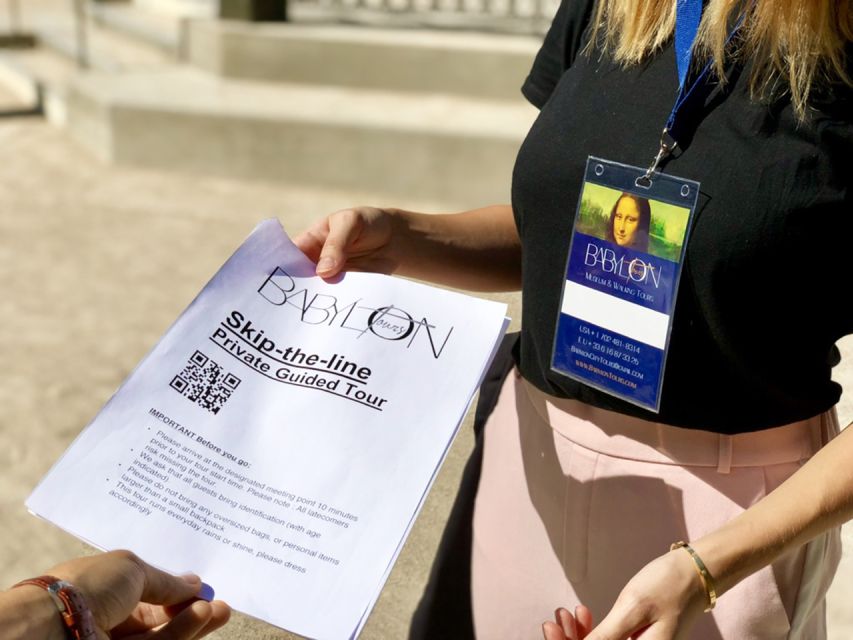
Paper over power is the real DC flex. This skip-the-line semi-private tour uses a separate entrance and pairs it with a live English guide who helps you read the documents like they matter today.
I especially like two parts: standing in the National Archives Rotunda for the Declaration of Independence and the Constitution, and then moving into the documents that prove how arguments turned into law, including the Bill of Rights and the Federalist Papers with Alexander Hamilton’s signature.
One consideration: this tour is not suitable for wheelchair users, and security rules are strict—no luggage or large bags, just a handbag or small thin backpack.
In This Review
- Key Highlights You’ll Actually Remember
- Where the Tour Starts: Skip the Line, Then Get Oriented Fast
- The Rotunda: Declaration and Constitution in the Room Where They Live
- Bill of Rights and the Federalist Papers: Hamilton’s Signature and the Argument Behind It
- Public Vaults: Letters from Presidents (Washington to JFK)
- Emancipation Proclamation and the Rosa Parks Citation: When Progress Took Paperwork
- Rubenstein Gallery: Magna Carta of 1297 for a Longer View of Rights
- What Makes This Tour Work: Semi-Private Size and the Pace of a 2-Hour Walk
- Price and Value: What You’re Paying for at $111 per Person
- Small Logistics That Change Your Day: Bags, ID, and Dress
- Who Should Book This National Archives Tour
- Should You Book It
- FAQ
- How long is the National Archives Skip the Line Semi-Private tour?
- How does skip the line work for this tour?
- What’s the group size for the semi-private option?
- What should I bring for entry?
- Is this tour wheelchair accessible?
- What is the cancellation policy?
Key Highlights You’ll Actually Remember
- Skip-the-line entry through a separate entrance so you spend more time looking and less time waiting
- Rotunda viewing time focused on the Declaration of Independence and the Constitution
- Signatures that made the country real: Hamilton tied to the Federalist Papers and other founding-era documents
- Rosa Parks citation that shows civil rights were fought through official channels, not just speeches
- Rubenstein Gallery stop for the Magna Carta of 1297, giving you a longer timeline than most DC tours
- Guides who tell stories clearly (Meghan, Donna, Maribeth, Bess, Brenda, Ryan) with time for questions
The founding documents up close, more Archives visits
- VIP Best of DC with US Capitol + National Archives Reserved Entry
★ 4.5 · 2,491 reviews - Skip-the-line National Archives Building Exclusive Guided Tour
★ 5.0 · 381 reviews - National Archives Skip the Line Guided Tour Semi-Private 6ppl Max
★ 5.0 · 196 reviews - Washington DC: National Archives and US Capitol Guided Tour
★ 4.6 · 126 reviews
Where the Tour Starts: Skip the Line, Then Get Oriented Fast

A lot of first-timer frustration in Washington is simple: you arrive excited, then spend your best energy in a queue. This tour solves that by using a skip-the-line entrance, so you can get inside and start with the Rotunda rather than burning time at security.
You meet at a point that can vary depending on which option you booked, so I’d plan to show up a few minutes early and keep your eyes open for the meeting details you’re given. The tour is only 2 hours, so being late can squeeze the route.
Before you enter, you should also expect the guide to set expectations around quiet rules in certain rooms. Some areas inside the archives are subject to quiet or restricted speaking, and the guide will explain the approach before you go in. That matters because it keeps the tour from turning into a noisy scramble while everyone is trying to read.
The Rotunda: Declaration and Constitution in the Room Where They Live
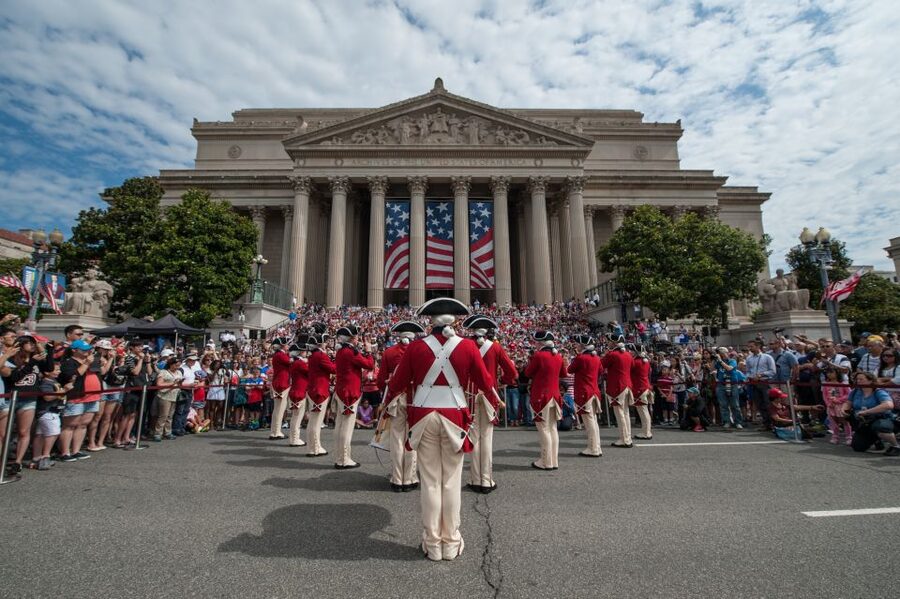
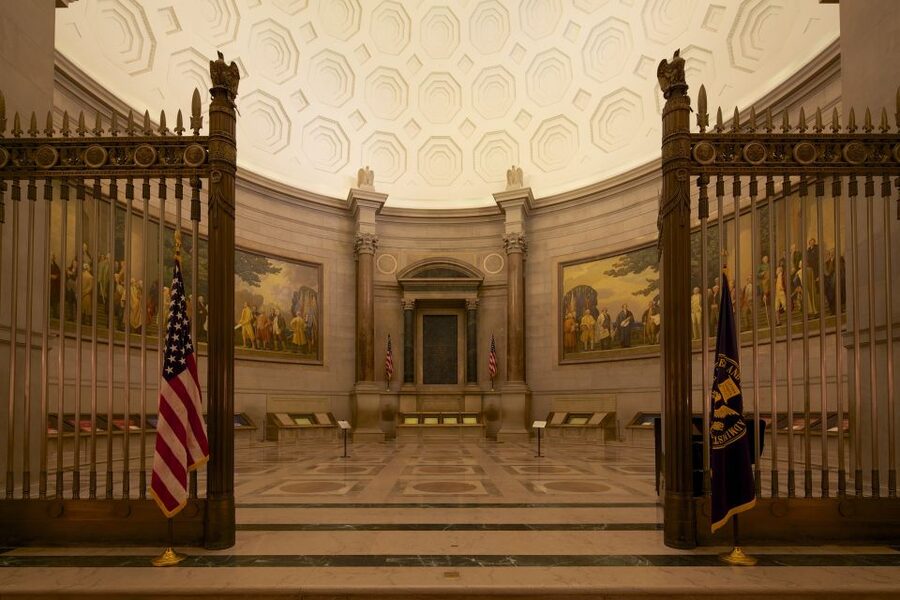
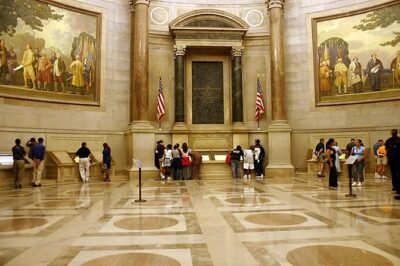
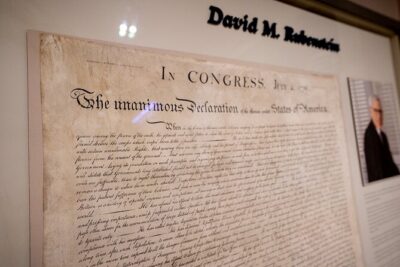
The star moment is the National Archives Rotunda. Your tour route leads you there to stand in front of the documents from the 17th and 18th centuries, specifically the Declaration of Independence and the Constitution.
What I like about this is how it changes the experience from reading about the founding into seeing how it looks when it’s preserved and protected. You get that rare feeling of being near the actual objects—not replicas, not photos. And because this tour is built as a highlights walk, you don’t drift into side rooms for too long.
The guide’s job here is not just to point. It’s to connect what you’re seeing with what the documents were trying to do. One helpful detail from past tours: guides have made sure groups enter the Rotunda early so you can see things without constant interruption. That’s the difference between a quick glance and a moment you can actually absorb.
If you’re going with kids, this is one of the most rewarding stops. One family highlight noted the tour worked well even with a 10-year-old because the guide kept the context moving without turning it into a lecture.
Bill of Rights and the Federalist Papers: Hamilton’s Signature and the Argument Behind It
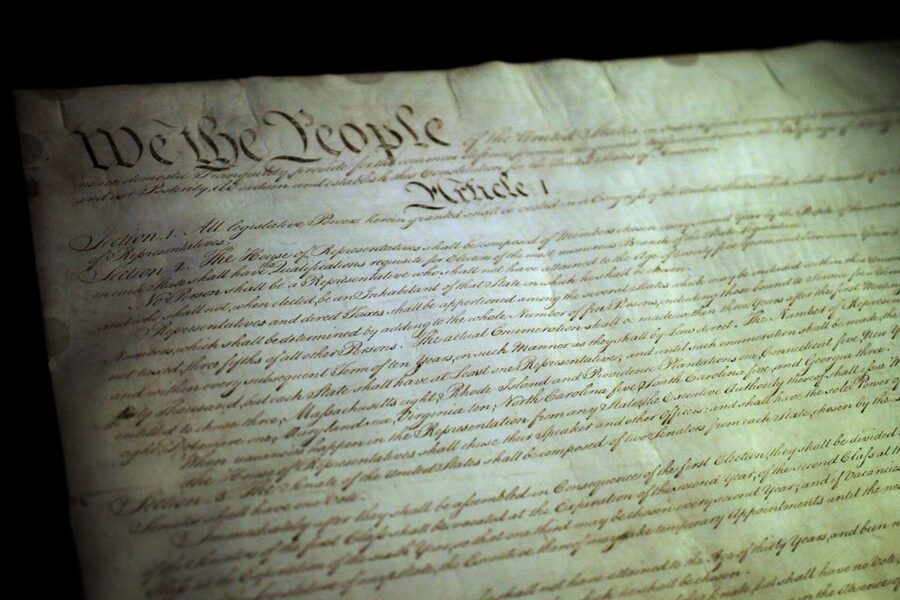
After the Rotunda, the route shifts into the documents that explain how the new country thought through power. This is where the Bill of Rights comes in, along with the Federalist Papers.
You’re not just seeing pages—you’re seeing the people and the logic. The Federalist Papers stop specifically includes the signatures of world-famous statesmen like Alexander Hamilton. That signature is a gut-check: it turns founding-era ideas from abstract text into real decisions made by named individuals.
This is also a place where a good guide earns their fee. In the reviews, guides were praised for making the material relatable to today and encouraging questions without making you feel rushed. That’s especially useful with something like the Bill of Rights: if you know the basics already, you’ll enjoy the nuance; if you’re starting from scratch, you’ll at least know what you’re looking at and why it mattered.
Public Vaults: Letters from Presidents (Washington to JFK)
One of the most human parts of the collection is the Public Vaults exhibits. Your highlights include letters written by presidents on display, with examples like George Washington and John F. Kennedy.
I like this stop because it widens the scope beyond laws and speeches. You’re seeing the working language of power—how leaders communicated, not just what they declared. Even if you’re not a deep political history fan, these documents can make the whole place feel less like a museum and more like an archive of decisions.
Practically, the guide also helps you navigate the sheer scale of the National Archives, which holds over half a million artifacts. Without guidance, it’s easy to feel like you’re wandering. With a route and context, it feels like the building has a point.
Worth lining up before you book this DC tour:
Emancipation Proclamation and the Rosa Parks Citation: When Progress Took Paperwork
Two stops in this tour connect history to civil rights in ways that go beyond textbook summaries.
First is the Emancipation Proclamation, described as helping end slavery in the 19th century. Then you’ll see a citation issued to civil rights activist Rosa Parks. That Rosa Parks document is a powerful contrast: it turns a widely known name into the official record of how the system worked and how long those racial issues lasted.
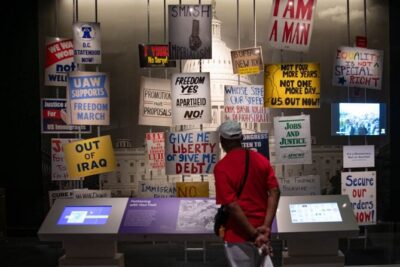
What’s valuable here is balance. This isn’t just inspiring history. It shows that civil rights fights played out through government systems, citations, and procedures—not only marches. A strong guide helps you notice the difference between myth and paperwork.
Also, these are the kinds of stops where storytelling quality matters. Reviews singled out guides for emotional connection and for putting what you’re seeing into context you can use when you walk away and keep thinking about it. That’s the real payoff from a guided highlights tour: you leave with understanding, not just images.
Rubenstein Gallery: Magna Carta of 1297 for a Longer View of Rights
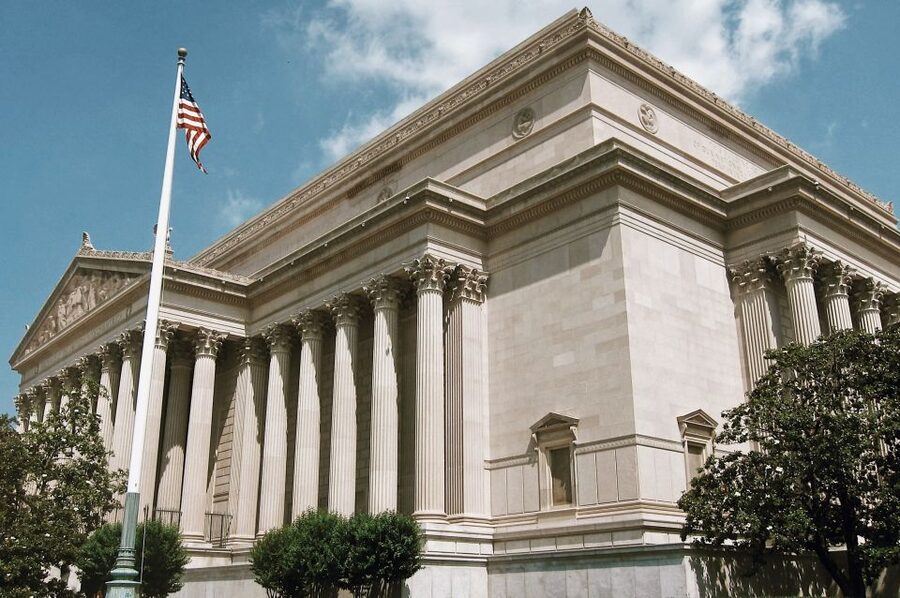
Most DC tours stay locked into American dates. This one gives you a wider lens by including the Rubenstein Gallery and the Magna Carta of 1297.
The practical value is simple: it changes how you interpret American documents. Rights and legal limits don’t appear from nowhere. Seeing the Magna Carta in this flow helps you understand that the idea of rule-by-law has older roots—and it makes the American founding-era documents feel like part of a continuing legal conversation.
This stop also benefits from a guide who can bridge centuries without getting lost in trivia. In past experiences, guides were praised for clear explanations that made even non-experts and non-native speakers comfortable. If you’re traveling internationally, this is worth noting because slow, clear presentation came up as a specific strength.
What Makes This Tour Work: Semi-Private Size and the Pace of a 2-Hour Walk
The tour is designed for a small group: no more than 8 people for semi-private tours, with private options also available. That size is a sweet spot. You can hear the guide, ask questions, and still move as a group at a museum pace.
The route is a walking highlights tour, lasting 2 hours. That time limit is both a plus and a reality check. It means you’ll see the big items that matter for most people, but it also means you won’t have hours to wander the entire building on your own afterward.
If you’re the type who loves to linger over details, I’d treat this as your orientation and then do a second visit later (or add self-guided time) if you have extra hours. If you want the core collection without planning every minute, this format hits the mark.
Also note: temporary exhibits are not included in the tour focus, so if you’re traveling specifically for a rotating display, you might still want time to check the galleries on your own.
Price and Value: What You’re Paying for at $111 per Person
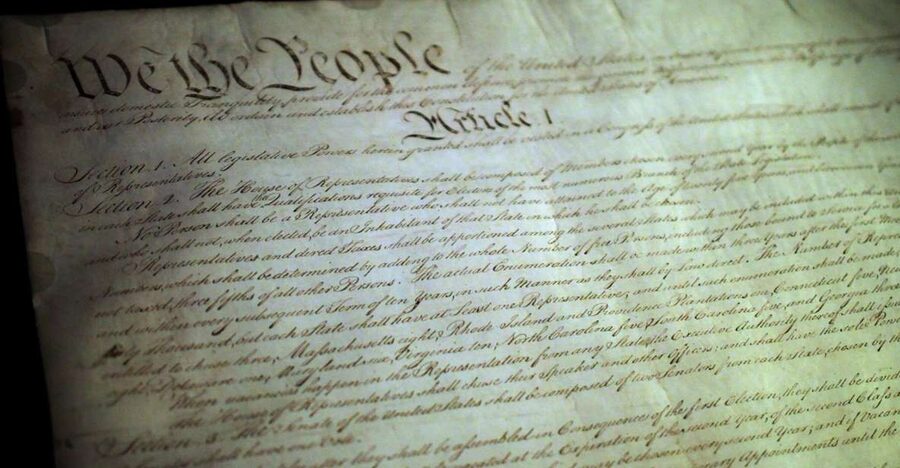
At $111 per person for a 2-hour guided visit, the question isn’t whether it’s cheap. It’s whether it saves you time and helps you see more meaningfully.
Here’s where the value comes from based on what the experience includes:
- A professional live guide who turns documents into stories, not just labels
- Skip-the-line entry via a separate entrance
- A tight route through the Rotunda, Bill of Rights/Federalist Papers area, Public Vaults letters, Emancipation Proclamation, Rosa Parks citation, and the Rubenstein Gallery
That guide piece matters. Several guides have been singled out for making the material relatable, answering questions, and helping the group keep moving in a sensible order. One guide approach even focused on getting groups into the Rotunda first to minimize disruption.
You also get a small-group ceiling. When the group stays under 8, the guide can actually manage attention and pacing. That’s part of the reason the tour tends to feel personal rather than rushed.
What’s not included is also important for value. There’s no hotel pickup or drop-off, and there’s no food or drink. If you’re hungry, plan to handle that around the tour time.
Small Logistics That Change Your Day: Bags, ID, and Dress
Before you go, keep this simple:
- Bring a passport or ID card for entry
- Don’t bring luggage or large bags
- A handbag or small thin backpack is fine
Security rules can affect your comfort, especially if you’re carrying souvenirs or traveling light isn’t your thing. If you’re staying in DC and shopping, consider leaving bulky items at the hotel and bring only what you need for two hours.
Dress also matters. Appropriate dress is required for entry into some sites on the tour. The archives themselves are indoors, but you still want to avoid anything too casual if it might conflict with site rules you’re asked to follow.
Who Should Book This National Archives Tour
This is a strong fit if:
- You want the major founding-and-civil-rights documents in a guided highlights format
- You like learning through a clear narrative and time for questions
- You’re traveling with mixed ages (including kids), since guides have been praised for adapting the story for a wide range
- You care about context, not just facts on a label
It’s not a fit if:
- You need wheelchair accessibility, because this tour is not suitable for wheelchair users
- You want to roam slowly through the archives on your own for hours
Should You Book It
If you’re coming to the National Archives once and you want the documents that most people remember years later, I think this tour is an easy yes. The combo of skip-the-line entry, a tight 2-hour route, and a small-group guide makes the experience feel efficient without turning into a sprint.
I’d book it if you enjoy stories that connect the founding era to civil rights, and if you want a route that helps you avoid getting lost in the building. Just be sure you’re comfortable with the rules: bring ID, keep bags small, and plan for a guided pace rather than a long browse.
If your top priority is maximum accessibility or lots of extra self-guided time, you may want a different approach. Otherwise, this is a smart use of a DC afternoon.
FAQ
How long is the National Archives Skip the Line Semi-Private tour?
The tour lasts 2 hours.
How does skip the line work for this tour?
You’ll skip the line through a separate entrance.
What’s the group size for the semi-private option?
For semi-private tours, there’s a maximum of 8 people per group. Private or small group options are also available.
What should I bring for entry?
Bring a passport or ID card. A valid photo ID is required.
Is this tour wheelchair accessible?
No. This tour is listed as not suitable for wheelchair users.
What is the cancellation policy?
You can cancel up to 24 hours in advance for a full refund.
More Skip the Line in Washington Dc





More Tour Reviews in Washington Dc






The Founding Documents Up Close


Just Added: Fresh Washington DC Reviews
- Washington : Private Custom Walking Tour With A Guide (Private)★ 3.5 · 3 reviews
- 3-Hour Small Group Memorial Tour in Washington, D.C.★ 4.0 · 3 reviews
- Washington DC Private Guided Bus Day Tour with Step Off Guide★ 5.0 · 3 reviews
- Washington, DC: The Good Liar: Brian Curry★ 5.0 · 3 reviews
- DC Monuments Walking Tour: Small Group, Big Ideas★ 5.0 · 3 reviews
- Washington DC: Library of Congress Private Tour with Tickets★ 5.0 · 3 reviews
National Archives Tours, side by side.
 ★ 4.5VIP Best of DC with US Capitol + National Archives Reserved EntryFrom $1292,491 reviews
 ★ 5.0Skip-the-line National Archives Building Exclusive Guided TourFrom $105381 reviews
 ★ 5.0National Archives Skip the Line Guided Tour Semi-Private 6ppl MaxFrom $105196 reviews
 ★ 4.6National Archives and US Capitol Guided TourFrom $53126 reviews
 ★ 5.0VIP National Archives Skip-The-Line Guided Tour 6 ppl MaxFrom $59126 reviews
 ★ 5.0National Archives Skip-the-Line Guided TourFrom $5985 reviews
 ★ 5.0National Archives + American History Museum Tour 8ppl MaxFrom $16680 reviews
 ★ 4.5Skip the Line National Archives and US Capitol TourFrom $5351 reviews
The lists this tour appears in