
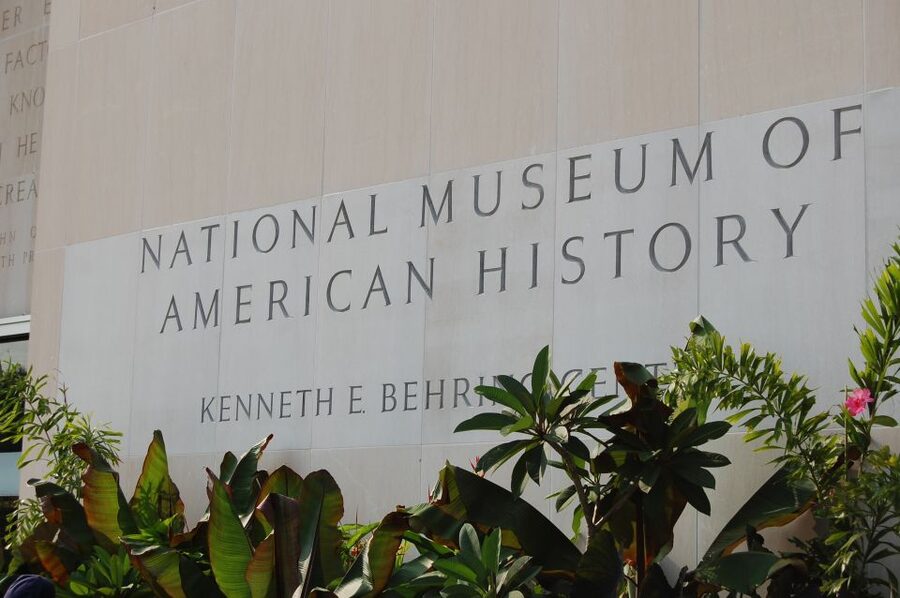
Review · SMITHSONIAN & MUSEUM TOURS
National Archives & Museum of American History Guided Tour
Seeing the US documents in person changes everything. This guided tour pairs two top Washington sites into one smooth day, starting at the National Archives and ending at the Smithsonian American History Museum. You’ll get expert narration that connects the handwriting on the pages to the ideas that shaped citizenship and rights.
I especially like how the tour focuses on “originals and icons,” from the handwritten Declaration of Independence to the Star-Spangled Banner and George Washington’s Sword. You’ll also see the First Ladies exhibition highlights at the Smithsonian, including Dorothy’s Ruby Red Slippers. One possible drawback: it’s a moderate walking experience and food isn’t included, so you’ll want comfortable shoes and a plan for a bite during the break.
In This Review
- Key highlights to look forward to
- National Archives Rotunda: where the day starts with the real stuff
- Declaration to Constitution: the documents you’ll remember after you leave
- Why the tour brings in the 1297 Magna Carta
- Star-Spangled Banner and Washington’s Sword: symbols with weight
- Smithsonian American History Museum: pop culture, politics, and First Ladies
- How the pace works in a 5.5-hour day
- What to bring, and what can slow you down
- Small-group touring: up to 8 people keeps it personal
- Price and value: is $166 worth it?
- A real guide can make it click: Brenda’s approach
- Who this tour is best for
- Should you book this National Archives and American History guided tour?
- FAQ
- FAQ
- How long is the guided tour?
- Where do I meet the guide?
- Does this tour include skip-the-line entry?
- What founding documents and artifacts are included?
- What will you do at the Smithsonian American History Museum?
- Is food or drinks included?
- Are temporary exhibits included?
- What should I bring?
- Are bags or luggage allowed?
- Is the tour wheelchair-friendly?
- What language is the tour guide?
Key highlights to look forward to

- Original Charters of Freedom in the National Archives Rotunda, plus skip-the-line entry
- Declaration, Constitution, and Bill of Rights explained in context, not just names and dates
- 1297 Magna Carta in the Rubenstein Gallery, tied to the evolution of citizenship
- Star-Spangled Banner and Washington’s Sword for that must-see American symbolism
- Smithsonian American History Museum stops that mix serious scholarship with pop culture
- First Ladies exhibit highlights, including Dorothy’s Ruby Red Slippers and Lincoln’s top hat
More Smithsonian halls, out of the weather
- Guided African American History Tour with Reserved Museum Entry
★ 4.5 · 1,180 reviews - Smithsonian Museum of Natural History – Exclusive Guided Tour
★ 5.0 · 446 reviews - African American History Tour with Museum of African American History Ticket
★ 4.5 · 390 reviews - National Mall Tour with 10 Stops & U.S. Capitol or Museum Entry
★ 4.5 · 331 reviews
National Archives Rotunda: where the day starts with the real stuff

Your tour starts at the bottom of the front stairs of the National Archives Building on Constitution Ave. NW. From the first moment, the big advantage is simple: you use a separate entrance and skip the line. That matters here. The National Archives can be crowded, and you don’t want to spend your best daylight on standing.
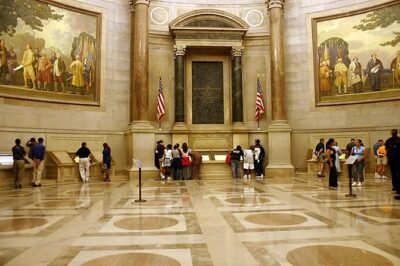
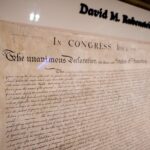
Once you’re inside, the tone shifts fast. The guide focuses on the Charters of Freedom—the original handwritten founding documents housed in the Rotunda. This is one of those places where the physical details do work for you. The scale of the space plus the knowledge that these papers are the real deal creates a kind of gravity that you can’t get from photos.
I also like that the tour doesn’t treat the documents like museum labels. Your guide narrates the extraordinary circumstances behind the founding, so the story feels like it’s unfolding in front of you rather than being recited like a list.
Declaration to Constitution: the documents you’ll remember after you leave
The National Archives portion isn’t just “look at that.” It’s organized around the ideas that drove the new country, and it moves in a way that helps you connect the dots.
Here’s what you’ll be looking at during the highlights walking tour:
- The original Declaration of Independence
- The Constitution
- The Bill of Rights
The benefit of having a guide here is timing. Without interpretation, you might notice important text and still miss why it mattered so much. With your guide, you’re prompted to think about the tension and the goals in the language—especially around who belongs and what rights are supposed to mean in practice.
And if you’re a first-time Washington visitor, this is a smart way to orient your understanding. You get the foundation early, so everything you see later at the Smithsonian lands with more meaning.
Why the tour brings in the 1297 Magna Carta
One of the most interesting moves on this tour is how it expands beyond US founding documents. After your look at America’s core papers, you shift to the philosophical foundations in the Rubenstein Gallery—specifically a 1297 copy of the Magna Carta.
The point isn’t to distract you with “more history.” It’s to help you think about continuity. Rights, citizenship, and legal authority didn’t start with one country or one moment. Your guide encourages you to explore the concept of citizenship and how the criteria for who counts has evolved over time.
That matters because the opening line of the Declaration—often summarized as all men are created equal—raises big questions. The tour uses the Magna Carta connection to frame those questions in a longer legal tradition, so you leave with a clearer sense of how societies argue about fairness and belonging.
Star-Spangled Banner and Washington’s Sword: symbols with weight

The most iconic items on this tour are handled with care. You don’t just get a quick look and move on. You’ll see the Original Star-Spangled Banner and George Washington’s Sword and hear the stories tied to them.
Why this works well is that the guide treats symbols as evidence of history, not just decoration. The documents explain the intentions; these objects show how those intentions were carried into national identity—through moments, leadership, and public emotion.
If you’re the type who wants the “why” behind the famous things, this portion does a good job keeping it grounded.
The founding documents up close, more Archives visits


Smithsonian American History Museum: pop culture, politics, and First Ladies
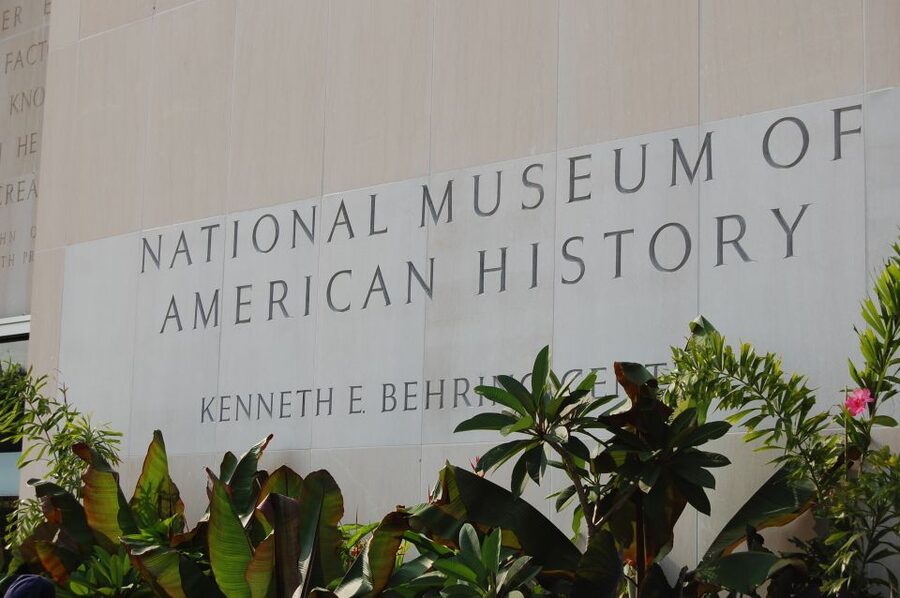
After a break to ponder the complexity of history (and grab a bite), the tour shifts to the Smithsonian American History Museum. This is a great second half because it broadens the “founding” story into lived experience—how Americans argued, dressed, fought, celebrated, and remembered.
Your guide leads a highlights tour of the most famous items in the collection. You’ll also see how the museum blends scholarship with pop culture. That mix is why this stop can feel easier to connect with, even if you’re not a hardcore history reader.
A few highlights included:
- The flag that flew over Fort McHenry, inspiring the poem that later became the National Anthem
- The First Ladies exhibition, which is the most visited exhibition in Smithsonian American History’s history (per the tour description)
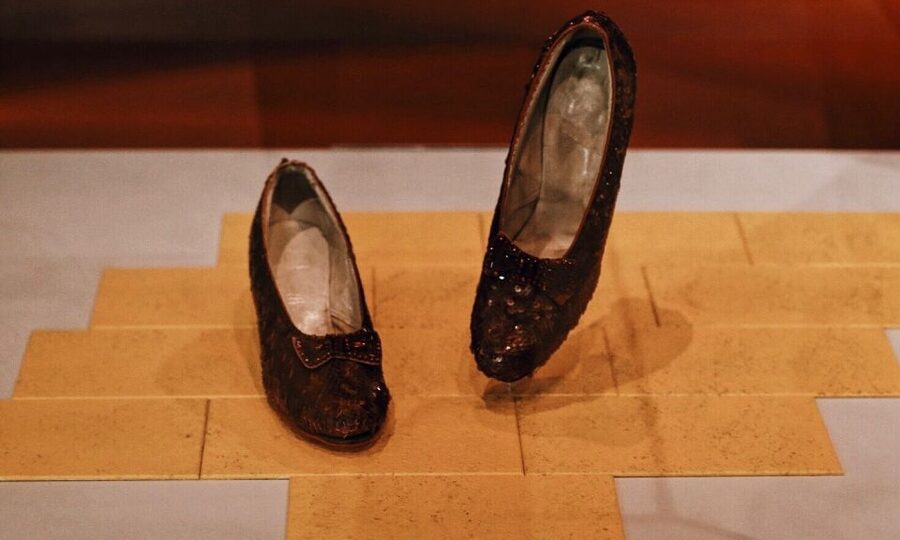
- Dorothy’s Ruby Red Slippers from The Wizard of Oz
- Abraham Lincoln’s top hat, displayed near the slippers
This is one of the tour’s smart “access points.” People who don’t usually care about presidential history often stop in their tracks for objects that pop in an unexpected way—like movie magic—then realize they’re sitting inside a larger story about national identity and memory.
How the pace works in a 5.5-hour day

The tour runs about 5.5 hours, with two major highlight segments: roughly two hours at the National Archives and about two hours at the Smithsonian American History Museum.
The walking is described as moderate, and there’s a practical reason to keep it timed: you’re covering two major institutions plus the storytelling between them. If you’re sensitive to schedule pressure, you’ll feel better knowing the tour is designed for highlights rather than a full “see everything” museum marathon.
A key detail for your day planning: food and drinks are not included. The tour mentions a break where you can grab a bite, but you’ll need to plan for it yourself. I recommend you treat that break like a small timing window—don’t wander too far if you want to stay on track with the group.
What to bring, and what can slow you down
You’ll want to come prepared because you’re moving between two places and spending time indoors reading and looking at documents.
Bring:
- Passport or ID card
- Comfortable shoes
- Umbrella
- Water
Skip bringing large items. Luggage or large bags are not allowed. That matters because security and storage lines can add delays, even if you skip the main museum lines.
Inside the Smithsonian, some rooms have rules requiring quiet or restricting speaking. Your guide will tell you the rules beforehand, but it’s worth knowing you’ll likely need to adjust your voice at times—another reason a guided format works. You don’t have to hunt for etiquette.
Also note: the museum and cemetery may be subject to occasional closures without previous warning. If that happens, you’ll be provided an alternative.
Small-group touring: up to 8 people keeps it personal

This is set up as a private or semi-private group of no more than 8 people. Smaller groups are a real value here because you can actually hear the guide and ask questions without the experience turning into a rushed lecture.
Semi-private tours also have a minimum of 2 guests to run. If the minimum isn’t reached, you’ll get a refund or an alternative date. That’s helpful if your schedule is flexible, and it reduces the chance of being stuck with a plan that quietly disappears.
The tour is also listed as having wheelchair tours by request only, yet it’s also marked as not suitable for people with mobility impairments. If you’re in that situation, you’ll want to confirm what “by request” means for your specific needs before you go.
Price and value: is $166 worth it?
At $166 per person for about 5.5 hours, the cost can feel steep until you compare what you’re getting: a guide, two timed highlight tours, and skip-the-line access via a separate entrance.
Here’s where the value comes from:
- Time saved at the National Archives, where queues can eat your day
- Expert storytelling that helps you understand why the documents and objects matter
- A second stop at the Smithsonian American History Museum, which is huge on its own
- A small group size (up to 8), which makes the narration and Q&A more workable
If you love history and want a guided “greatest hits” approach without the stress of planning every room, this price starts to make sense fast. If you prefer self-guided wandering and don’t care about interpretation, you might spend less booking tickets on your own. But for most first-timers, this tour is a practical way to see the right things in the right order.
A real guide can make it click: Brenda’s approach
One guide name that shows up clearly in strong feedback is Brenda, who’s described as leading groups through the National Archives founding documents and then through the American History Museum highlights. The praise focuses on her ability to connect pop culture items and major war-era pieces, plus her storytelling around how a specific flag inspired the National Anthem.
That’s the exact kind of guide you want for this itinerary. The tour combines legal origins with cultural symbols. Without a guide, those links can feel random. With the right guide, they feel like one argument.
Who this tour is best for
This experience fits best if you:
- Want a first-timer orientation to the National Archives plus Smithsonian American History Museum
- Like your history guided by objects—documents, flags, swords, and famous artifacts
- Prefer a small group over joining a huge crowd
- Would enjoy connecting the founding language to how citizenship and rights get debated over time
It may be less ideal if you:
- Want a totally flexible pace and lots of free time to wander
- Struggle with moderate walking
- Need food provided (since food and drinks are not included)
Should you book this National Archives and American History guided tour?
Yes, if your goal is to see the core founding documents and the Smithsonian highlights without wasting time, this is a solid way to do it. The biggest reasons to book are the skip-the-line entry, the small group size, and the guide-led order that helps you connect Declaration, Constitution, and Bill of Rights to later national identity moments like the Star-Spangled Banner and the anthem inspiration.
If you’re unsure, use this decision rule: if you want a plan that tells you what to look at and why, book it. If you’re happy reading on your own and don’t mind spending extra time getting oriented, you can always do it independently.
FAQ
FAQ
How long is the guided tour?
The total duration is about 5.5 hours, with highlights tours of about 2 hours at the National Archives and about 2 hours at the Smithsonian American History Museum.
Where do I meet the guide?
Meet at the bottom of the front stairs of the National Archives Building on Constitution Ave. NW.
Does this tour include skip-the-line entry?
Yes. It includes skip-the-line access through a separate entrance.
What founding documents and artifacts are included?
You’ll see the original Declaration of Independence, the Constitution, the Bill of Rights, a 1297 Magna Carta copy, the original Star-Spangled Banner, George Washington’s Sword, and Dorothy’s Ruby Red Slippers.
What will you do at the Smithsonian American History Museum?
You’ll take a highlights tour of the museum with focus on major items in the collection, including the First Ladies exhibition and the items tied to the National Anthem story.
Is food or drinks included?
No. Food and drinks are not included, though the tour includes a break where you can grab a bite.
Are temporary exhibits included?
No. Temporary exhibits are not included.
What should I bring?
Bring a passport or ID card, comfortable shoes, an umbrella, and water.
Are bags or luggage allowed?
Luggage or large bags are not allowed.
Is the tour wheelchair-friendly?
Wheelchair tours are listed as available by request only, but the activity is also marked as not suitable for people with mobility impairments. You should confirm fit for your needs before going.
What language is the tour guide?
The tour is English.
More Tour Reviews in Washington Dc






The Founding Documents Up Close




More Smithsonian Halls






Just Added: Fresh Washington DC Reviews
- Washington : Private Custom Walking Tour With A Guide (Private)★ 3.5 · 3 reviews
- 3-Hour Small Group Memorial Tour in Washington, D.C.★ 4.0 · 3 reviews
- Washington DC Private Guided Bus Day Tour with Step Off Guide★ 5.0 · 3 reviews
- Washington, DC: The Good Liar: Brian Curry★ 5.0 · 3 reviews
- DC Monuments Walking Tour: Small Group, Big Ideas★ 5.0 · 3 reviews
- Washington DC: Library of Congress Private Tour with Tickets★ 5.0 · 3 reviews
Smithsonian & Museum Tours, side by side.
 ★ 4.5Guided African American History Tour with Reserved Museum EntryFrom $891,180 reviews
 ★ 4.8Museum of the Bible General AdmissionFrom $34494 reviews
 ★ 5.0Smithsonian Museum of Natural History – Exclusive Guided TourFrom $89446 reviews
 ★ 4.5African American History Tour with Museum of African American History TicketFrom $90390 reviews
 ★ 4.5National Mall Tour with 10 Stops & U.S. Capitol or Museum EntryFrom $59331 reviews
 ★ 4.9African American History Tour & Museum EntryFrom $89312 reviews
 ★ 5.0Smithsonian Museums Walking Tour with Reserved Air & Space EntryFrom $79297 reviews
 ★ 4.5Capitol Combo: U.S. Capitol + Library Congress or Capitol MuseumFrom $79294 reviews
The lists this tour appears in