
Review · SPY & SCANDAL TOURS
Embassy Row: Architecture, Mansions & International Intrigue
Mansions became embassies, and the stories stuck. This 2-hour Dupont Circle to Embassy Row walk turns stately buildings into real-life plotlines, mixing architecture with international intrigue. I love how the guide keeps the pace easy while you learn what these grand homes became—and why that shift matters.
My other favorite part: you’re not just seeing addresses, you’re getting named landmarks and specific cultural details, like the Goddess Saraswati statue and the Indian and Irish embassy buildings. One possible drawback: you’ll be outside for the whole tour, so wear shoes you trust, and don’t expect long museum-style stops at each location.
In This Review
- Key points before you go
- Embassy Row in 2 hours: why this walk feels smarter than a drive
- Starting at Dupont Circle fountain: setting the scene fast
- Embassy Row mansions: from private wealth to public diplomacy
- The Saraswati statue near the Indian Embassy: culture in public view
- The Society of the Cincinnati house: when old money becomes legacy
- Indian and Irish embassy buildings: learning how diplomacy borrows grandeur
- Sheridan Circle and Phillip Sheridan: a surprising DC puzzle piece
- The President Woodrow Wilson House: DC power after the presidency
- Spanish Steps near Dupont Circle: your breath of calm
- What you really pay for: interpretation, not just walking
- Who this tour is best for (and who might skip it)
- Tips to get the most from the walk
- Should you book Embassy Row: Architecture, Mansions & International Intrigue?
Key points before you go
- Small group size (max 15): easier questions and a more human pace on busy streets.
- Licensed guide on a 2-hour route: enough time for context without rushing every corner.
- Embassy Row mansions explained: you learn how millionaires’ homes became diplomatic offices.
- Stop-and-gawk landmarks: the Saraswati statue, Spanish Steps, and circles with famous figures.
- English only, mobile ticket: simple setup for most visitors.
Embassies and mansions off the circle, more walks
- Residences of the Presidents Walking Tour: Dupont and Kalorama
★ 5.0 · 31 reviews - Embassy Row: Architecture, Mansions & International Intrigue
★ 4.5 · 27 reviews - Outdoor Escape Room in Washington, D.C. – Adams Morgan
★ 5.0 · 17 reviews - Off the Beaten Path: 16th Street and Adams Morgan Neighborhood Tour
★ 5.0 · 12 reviews
Embassy Row in 2 hours: why this walk feels smarter than a drive
Washington is full of monuments, but Embassy Row offers something rarer: a neighborhood where big power sits inside old stone and ironwork. This tour is built for people who want more than a photo op. You start at Dupont Circle, then move along the embassy-studded stretch where the city’s Gilded Age ambition still shows through.
You’ll cover enough ground to feel like you traveled, but not so much you’re wrecked. It’s also a good way to break up a DC day if you’re juggling museums, Capitol time, and dinner reservations. At $49 per person for a guided small-group walk, you’re paying for interpretation—someone to connect architecture, politics, and a few good scandal-shaped stories.
I also like that it doesn’t pretend to be a secret handshake tour. You’ll see famous buildings and recognizable landmarks, but the value is in the explanations you get while you’re standing right there.
Starting at Dupont Circle fountain: setting the scene fast
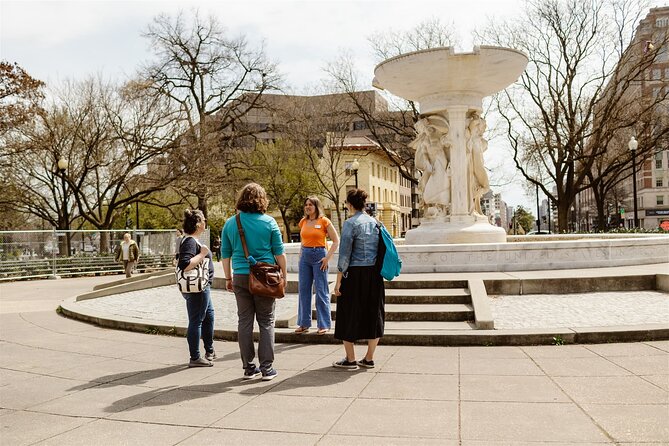
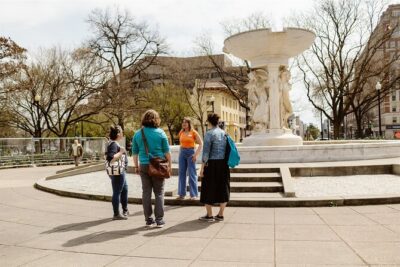
Dupont Circle can feel like a crossroads the first time you visit. That’s why meeting at the fountain works. Your guide uses the start to frame the neighborhood—what it was, what it became, and how it connects to the embassy area you’re about to walk through.
This is the part you’ll thank yourself for later. When you know the basic pattern of the streets and the neighborhood’s role, Embassy Row stops being a random string of buildings. It becomes a story you can follow.
Practical tip: even if you arrive early, use that time to orient yourself—this walk is easier when you’re mentally mapping where you started and where you’re headed next.
Embassy Row mansions: from private wealth to public diplomacy
This is the main event: Embassy Row, where you’ll explore the embassies that now occupy mansions once owned by millionaires. The tour’s big idea is simple, and it works—old wealth left behind impressive architecture, and modern diplomacy took over the space.
You’ll learn what made those residences special in their day, then how their purpose shifted when the buildings became international offices. That change isn’t just trivia. It’s the way Washington quietly shows power: money created the structures, and politics keeps them in use.
This stretch also tends to bring out the best kind of guide storytelling. One recent tour experience mentioned scandalous stories alongside the architectural details, and that’s the sweet spot for this tour. You want the buildings, yes—but you also want the human drama that makes those buildings memorable.
One more thing I appreciate: the route is designed for a calm walking pace, not a sprint. Multiple guides have been praised for their pacing and for answering questions comfortably, including practical help with getting around afterward.
The Saraswati statue near the Indian Embassy: culture in public view
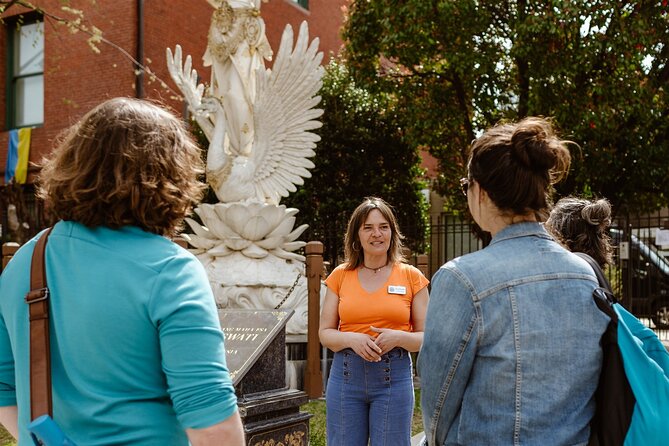
Along the way, you’ll pause at the Statue of Goddess Dewi Saraswati, positioned along Embassy Row near the Indian Embassy. It’s a short stop—just a few minutes—but it adds variety that keeps the walk from becoming one long architectural lecture.
Saraswati is the Hindu goddess associated with knowledge, music, and the arts. Seeing her statue in this DC location makes the cultural exchange theme feel real, not forced. It’s also a reminder that Embassy Row isn’t only about government buildings. It’s also about symbols, identity, and public art.
If you like understanding what monuments mean—not just what they look like—this stop is worth it.
Spies, scandals and back rooms, a few more
The Society of the Cincinnati house: when old money becomes legacy

Next up is a stop tied to The Society of the Cincinnati, where you’ll learn about the millionaires who built the home and the society that inherited it. It’s a compact stop, but it fits the tour’s theme perfectly: wealth, lineage, and institutions that outlast the people who created them.
Why it matters for you: the tour keeps answering the same underlying question from different angles—who shaped these blocks, and how did their choices echo into today’s international setting?
If you enjoy learning how private groups and public life tangled in early American elite culture, this stop will land well.
Indian and Irish embassy buildings: learning how diplomacy borrows grandeur

You’ll have brief stops at the Embassy of India and the Embassy of Ireland, each with a quick explanation of what the building represents.
For India, the focus is on heritage and cultural diplomacy—how the building functions as a hub strengthening Indo-US relations. For Ireland, the emphasis is on Irish history and culture, and how its prominent location supports diplomatic engagement.
Even in only a few minutes each, these pauses do something useful. They help you see embassy buildings not as faceless walls, but as architectural signals. When you understand why a building looks the way it looks, it becomes easier to notice details on your own later.
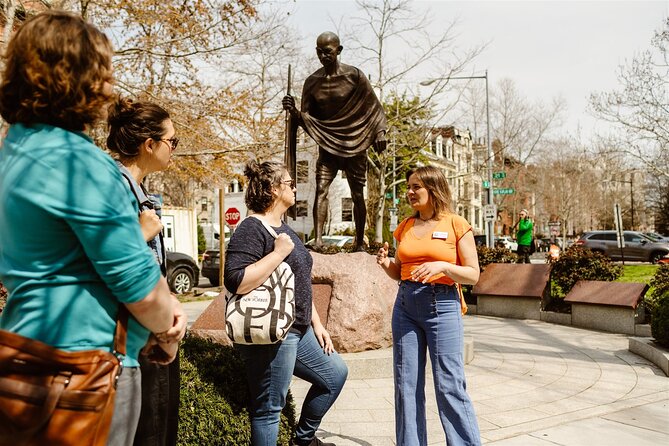
Nearby, the tour also points you toward the Gandhi statue on Massachusetts Avenue NW and ties it to Mahatma Gandhi’s legacy of peace and nonviolence. That connection is exactly the kind of “why this is here” context that makes a walking tour worth paying for.
Sheridan Circle and Phillip Sheridan: a surprising DC puzzle piece

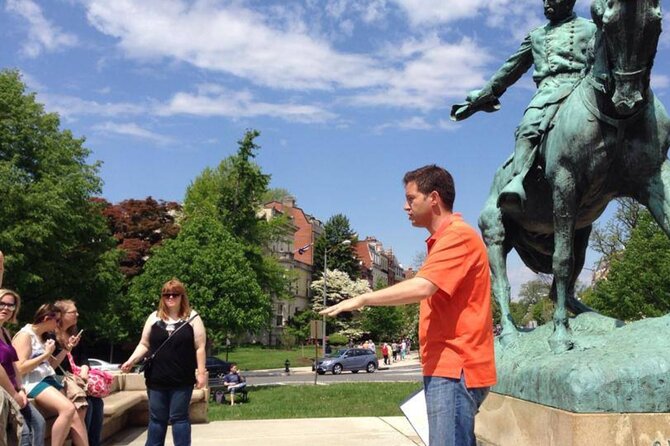
At Sheridan Circle Northwest, you’ll hear how the equestrian statue of Phillip Sheridan connects to Mount Rushmore. This is one of those quick stops that feels like a “wait, really?” moment—in a good way.
These small jumps matter because they keep the walk from being only about one time period. You get the Embassy Row mansion story, then a separate thread that ties DC to national symbolism. If you enjoy connecting dots across the country while staying on city sidewalks, you’ll probably like this part.
The President Woodrow Wilson House: DC power after the presidency
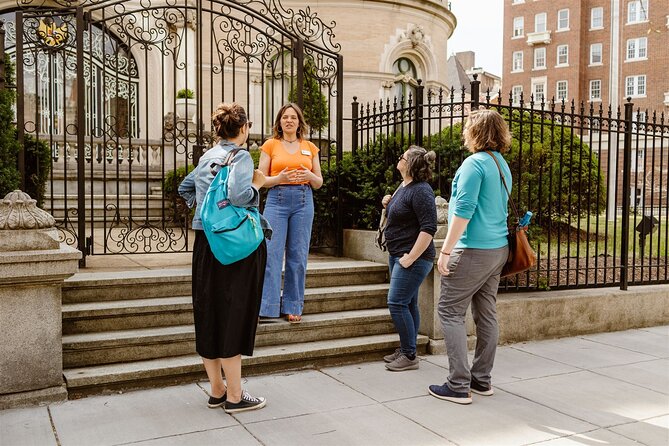
Another short stop is the President Woodrow Wilson House, discussed from outside. The highlight here is the idea that Wilson is the only president who lived in Washington, DC after his term (with the tour noting an exception in the modern era for Obama).
This is a neat fact, but the real value is how it sharpens your view of DC. Presidents don’t vanish when they leave office; their homes, neighborhoods, and continued presence shape how the city works.
If you like presidential history that’s less about speeches and more about place, you’ll appreciate this moment.
Spanish Steps near Dupont Circle: your breath of calm
Near the end, the tour visits the Spanish Steps, inspired by iconic steps in Rome. You’ll have a few minutes to appreciate the staircase and the surrounding greenery and historic architecture.
This is more than a photo stop. It’s your reset button. After looking at so many formal buildings, Spanish Steps gives you a small pocket of quiet where you can just stand and watch city life move past you.
Practical tip: if it’s sunny, this is a great place to take a slower moment. If it’s hot, it can also feel like a pause in the day’s heat (even if the city outside still keeps moving).
What you really pay for: interpretation, not just walking
Let’s talk value, because $49 isn’t free—and with guided tours, the real question is whether the guide changes what you notice.
Here’s what you’re paying for:
- A professional licensed tour guide who can connect buildings to stories.
- A 2-hour, small-group format (max 15), which makes questions feel normal.
- A route that links multiple themes—architecture, elite-era mansions, and how diplomacy reshaped the neighborhood.
And the guide performance matters. Names mentioned in recent experiences include Becca, Tyler, Mark, Dan, John, and Eli—all highlighted for being engaging, maintaining a good pace, and covering more than what you’d guess from signage alone. One praised guide clarity even noted that a hard-of-hearing participant could follow well, which tells me the tour is often run with sound quality and group communication in mind.
Of course, no tour fits every style. One piece of feedback criticized accuracy and called the route not unique. Another person wanted the walk to end exactly back where it began. My take: the best way to reduce frustration is to arrive with the right mindset—this is a guided neighborhood walk with brief stops, not a long sit-down history seminar or a private embassy access program.
Who this tour is best for (and who might skip it)
You’ll likely love this tour if:
- You enjoy architecture with context, not just dates and names.
- You want a quick but meaningful DC experience that doesn’t require museum tickets.
- You’re curious how the Gilded Age left behind buildings that now serve international missions.
- You like guides who tell stories tied to what you’re seeing right now.
You might skip it if:
- You’re only interested in inside-access, since the stops are described as learning/exploring along the route rather than long interior visits.
- You prefer self-guided walking with no narrative, because the point here is the guide’s interpretations.
Tips to get the most from the walk
A few things will make your experience smoother:
- Wear comfortable shoes. It’s described as a longer but easy walk, and the city streets add up.
- Bring water on warmer days. This route isn’t built around frequent long breaks.
- Arrive a few minutes early at the fountain so you’re not joining mid-setup.
- Ask a question early. With a group capped at 15, your guide can usually work answers into the flow.
Also, if you’ve already visited Embassy Row on your own, you’ll still get value by tuning into the story angles: how money became diplomacy, and how cultural symbolism shows up on real city corners.
Should you book Embassy Row: Architecture, Mansions & International Intrigue?
I’d book it if your DC plan includes time you could spend on something more personal than a bus loop. This tour hits a sweet spot: recognizable landmarks, short stops you can actually enjoy, and a small-group guide who turns architecture into story.
The biggest reason to say yes is practical: for 2 hours, you get a coherent walkthrough of Embassy Row and nearby landmarks that you can keep thinking about after you leave. It’s a good way to see DC without feeling like you’re doing homework all day.
If you want a guided day that’s lighter than museums but smarter than wandering, Embassy Row is a strong choice.
More Tour Reviews in Washington DC






Spies, Scandals and Secrets






Dupont Circle and Embassy Row






Just Added: Fresh Washington DC Reviews
- Washington : Private Custom Walking Tour With A Guide (Private)★ 3.5 · 3 reviews
- 3-Hour Small Group Memorial Tour in Washington, D.C.★ 4.0 · 3 reviews
- Washington DC Private Guided Bus Day Tour with Step Off Guide★ 5.0 · 3 reviews
- Washington, DC: The Good Liar: Brian Curry★ 5.0 · 3 reviews
- DC Monuments Walking Tour: Small Group, Big Ideas★ 5.0 · 3 reviews
- Washington DC: Library of Congress Private Tour with Tickets★ 5.0 · 3 reviews
Spy & Scandal Tours, side by side.
 ★ 5.0The “Madams of DC” Guided Walking TourFrom $3074 reviews
 ★ 4.5Washington DC Political Scandals and True Crime Night-Time TourFrom $5545 reviews
 ★ 5.0Socialites and Spies of Georgetown Walking TourFrom $3024 reviews
 ★ 5.0Georgetown Spy History Tour with a Former CIA OfficerFrom $8518 reviews
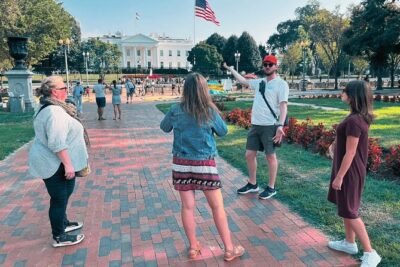 ★ 5.0White House at Night: Scandals, Murder, Politics Adults Only TourFrom $3913 reviews
 ★ 5.0DC Spy History Walking TourFrom $4912 reviews
 ★ 4.0House of Cards: Political Puzzle Quest in Washington DCFrom $710 reviews
 ★ 5.0Embassy Row Spy History Tour with a Former CIA OfficerFrom $758 reviews
The lists this tour appears in