
Review · BLACK WASHINGTON HERITAGE TOURS
Washington, DC: African American Heritage Walking Tour
U Street has a soundtrack, even before you start walking. This African American heritage tour focuses on the stretch many people call Black Broadway, with a local guide who turns the neighborhood into a living map. I especially like the way the walk connects names you know, like Duke Ellington, to the actual corners and landmarks you can see.
Two other things I really like: you get a guided African American museum stop with entry tickets included, and the area around the route makes it easy to roll into dinner afterward. One possible drawback to keep in mind is that, like any guide-led experience, the quality depends on the guide showing up and communicating clearly, so it helps to be ready with your confirmation details.
In This Review
- Key Things to Know Before You Go
- Why U Street Still Feels Like Black Broadway
- Duke Ellington Stories You Can Actually Point To
- The Museum Stop: Why Tickets Matter
- Rain or Shine: What the 2-Hour Walk Really Means
- Food Plans After the Tour: Ben’s, Soul Food, and Little Ethiopia
- The Real Role of the Guide (And How to Spot a Good Fit)
- Price and Value: Is $90 Worth It?
- Who This Tour Suits Best
- Should You Book the Washington, D.C. African American Heritage Walking Tour?
- FAQ
- How long is the Washington, D.C. African American Heritage Walking Tour?
- What’s included in the price?
- What does the tour cost?
- Where is the meeting point?
- Should I arrive early?
- Is food included?
- Is transportation included?
- Is the tour wheelchair accessible and what language is it in?
- FAQ
- Is the tour weather-dependent?
- Is there free cancellation?
- Does the tour include entrance to Capitol One?
Key Things to Know Before You Go
- Black Broadway at walking speed: you’ll move through U Street’s cultural heart in about 2 hours.
- Duke Ellington in real space: expect references to his birthplace area and a towering sculpture honoring him.
- Museum entry is built in: you’re not just getting street stories; you get a ticketed museum stop too.
- A practical start point: meet at 1250 U St NW, and plan to arrive 15 minutes early.
- Rain or shine: bring layers and footwear you can walk in.
- Food is on you, but nearby options are strong: the route sits near famous soul-food and Ethiopian options.
Black Washington told properly, more heritage walks
- Guided African American History Tour with Reserved Museum Entry
★ 4.5 · 1,180 reviews - African American History Tour with Museum of African American History Ticket
★ 4.5 · 390 reviews - Washington, DC: African American History Tour & Museum Entry
★ 4.9 · 312 reviews - Washington DC: Walking Tour and African American Museum
★ 4.6 · 157 reviews
Why U Street Still Feels Like Black Broadway
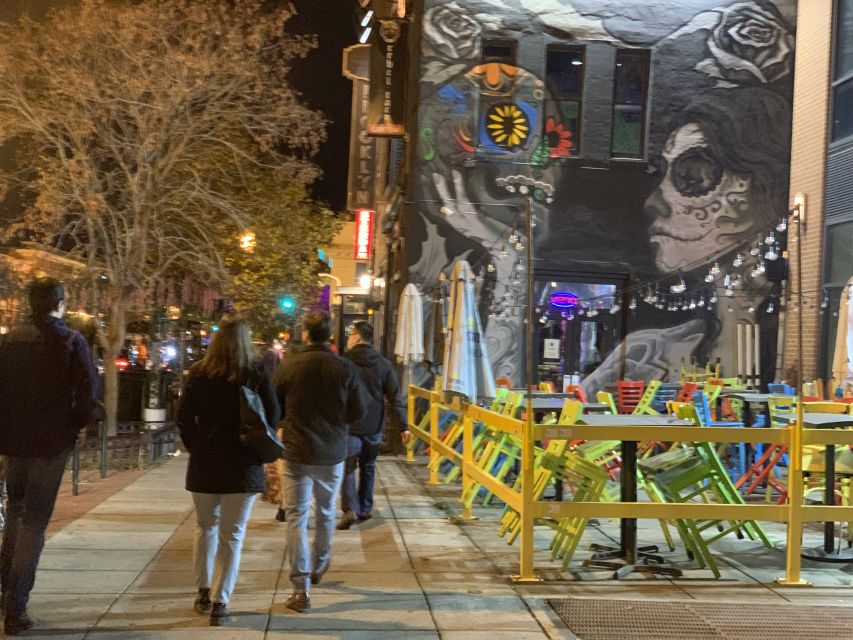
If you want Washington, D.C. history that actually hits your senses, U Street is a smart place to start. This neighborhood earned its famous nickname Black Broadway because it became a major cultural and music center for African Americans, drawing both locals and visitors. On this tour, the goal is not to memorize dates. It’s to help you understand why this stretch mattered, and how the rhythm of the area still shapes the city today.
You’ll walk the U Street Corridor with a local tour guide, and that local factor matters more than people expect. A guide can point out what to notice in plain sight: the kind of places that hosted music and community life, the feeling of how blocks connect, and the way stories cluster around specific locations. Instead of just reading signage, you get a sense of how the neighborhood functioned as a hub.
Another reason I like this format is the pacing. Two hours is long enough to gather real context, but short enough that you can keep your evening open. That matters because U Street is also known for its nightlife, so you can finish the tour and still have energy to keep exploring.
One more thing: the tour setting gives you immediate, practical context for DC’s African American heritage. You’re learning about the area when it was home to one of the largest urban African American communities in the United States, and you’re seeing that legacy while the neighborhood continues to feel active.
Duke Ellington Stories You Can Actually Point To
A highlight of the tour is the way it threads the story of Duke Ellington through the streets. You’ll hear about him during the walk, and you’ll also get a chance to admire a towering sculpture in reverence to him. That’s the kind of detail that turns a famous name into something physical.
Ellington is one of those figures you might recognize from music history class. But on this tour, the framing is local: you learn about his connection to Washington, D.C. and why that connection shaped how people remember him. You’re not just learning that he existed. You’re getting a sense of how his birthplace area and the neighborhood’s creative energy fit together.
This is also where a strong guide makes the experience feel different. The best guides explain without drowning you in facts. They give you just enough to understand why a monument is placed where it is, and why people continue to treat him as a DC hero.
If you’re the type who likes to take a picture with meaning, this stop delivers. A “towering sculpture” isn’t just a photo op; it helps you register the scale of what the neighborhood wants to honor.
The Museum Stop: Why Tickets Matter
One of the best value pieces here is that the tour includes entry tickets to an African American museum. That changes the character of the experience. Street history is powerful, but it can stay “in the air” unless you also ground it in the bigger story.
With a museum stop included, you can connect what you’re hearing on the sidewalks with exhibits and interpretation once you’re inside. Even if you only spend a portion of the museum visit, having ticketed entry built into the tour schedule is a practical win. You don’t have to scramble to find the right museum at the right time. You also don’t have to guess whether it’s worth it once you arrive.
This is also useful if you’re traveling with different interests in the group. Someone who’s more into architecture or place-based walking gets the neighborhood context. Someone who wants deeper background gets it through museum time.
The one caution: the tour lasts about 2 hours, so you may not see everything at a museum at a slow pace. Go in expecting a guided introduction rather than a full, standalone museum day.
Rain or Shine: What the 2-Hour Walk Really Means
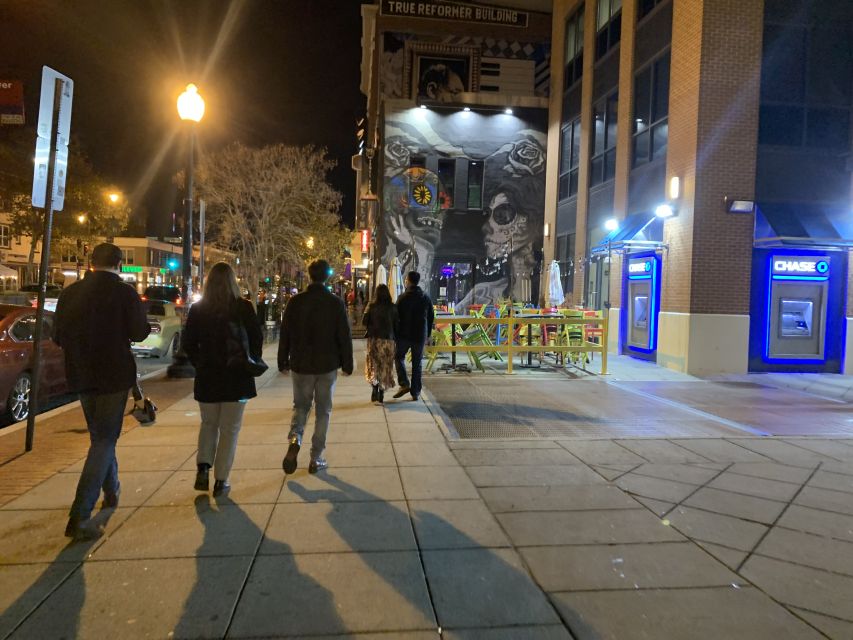
This is a walking tour, and it runs rain or shine. That’s great because it means you’re not stuck waiting for perfect weather. Still, it’s a clue to pack smart.
Plan on comfortable shoes. Even if the route is not described with exact turn-by-turn details here, you’re walking the U Street Corridor long enough to make footwear and stamina matter. Two hours is not an all-day hike, but you’ll likely feel it by the end if you wear stiff or slippery shoes.
I also suggest bringing a light layer. D.C. weather can shift quickly, and being on your feet means you’ll feel temperature changes more than you would sitting in a museum the whole time.
Timing is another practical factor. The tour advises you to arrive at the meeting point 15 minutes before it starts. Do it. It gives you time to find the group, check anything you need with your guide, and get your bearings without rushing.
DC at walking pace, more routes


Food Plans After the Tour: Ben’s, Soul Food, and Little Ethiopia
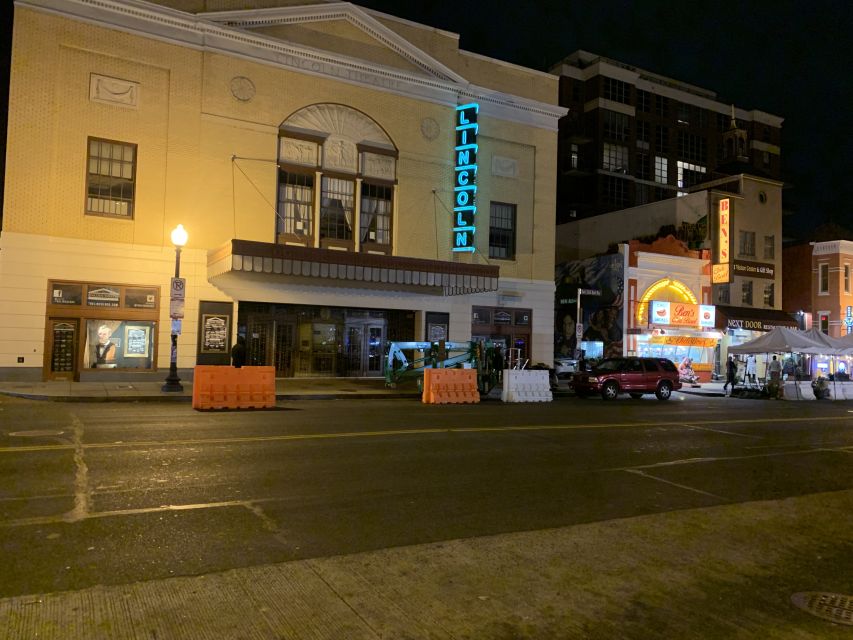
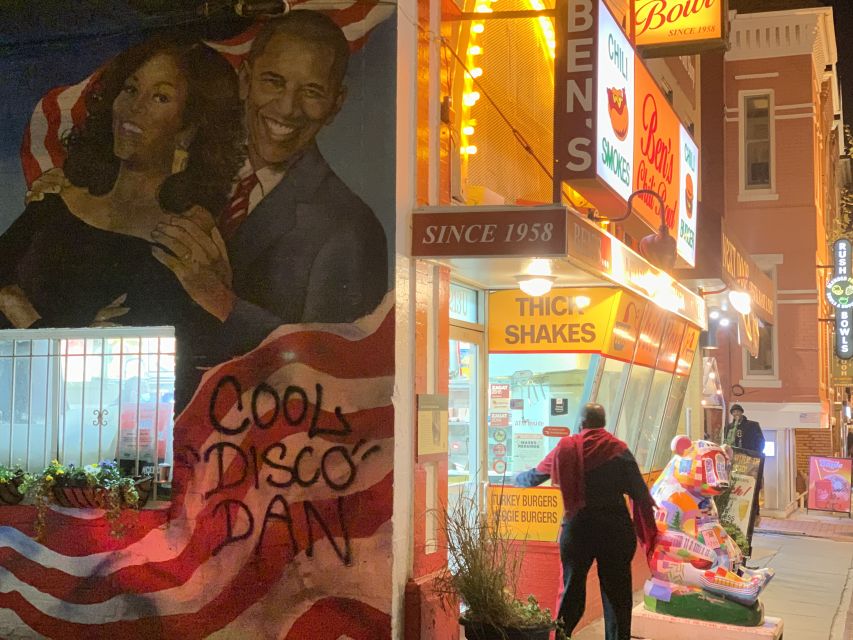
You don’t get food included, but the tour route is designed for that next step. The area around U Street is known for a mix of cuisines—soul food, Italian, and plenty of other options. A big named draw is Ben’s Chili Bowl, which shows up for a reason: it’s famous and it’s an easy post-tour stop.
There’s also an area on the eastern end of the corridor known as Little Ethiopia, recognized for its concentration of residents from that country. If you want a meal that feels like it belongs to the neighborhood, this is one of those practical ways to extend what you learned from the heritage focus of the tour.
My advice is simple: decide your dinner plan before you finish the walk. If you wait until the end, you might be tired, hungry, and less likely to make the best choice. Use what the guide shares during the stroll as your shortlist, then head out.
The Real Role of the Guide (And How to Spot a Good Fit)
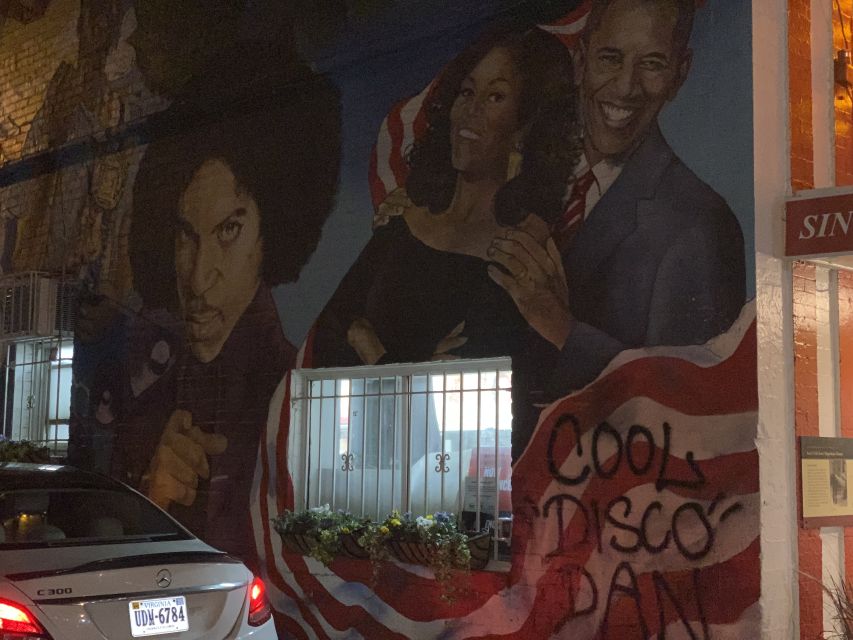
This tour lives or dies on the guide. The structure is straightforward—walk the U Street Corridor, hear African American heritage stories, and see key references like Duke Ellington—but the guide is the engine that connects it all.
In the experience, you’ll see why people often rate these tours highly when the guide brings stories to life. Some guides on this kind of walk have been described as very knowledgeable about Black heritage in Washington, D.C., with a delivery that makes the neighborhood feel like it’s telling its own story. Others have earned strong praise for being genuinely local and responsive, even when a group situation changes (like smaller parties).
That said, there’s an important consideration. A couple of unhappy outcomes in the record point to a bigger risk: if a guide doesn’t show up and communication is missing, it can turn your planned history time into stress. I can’t control that. But you can reduce your risk by doing two things:
- Keep your confirmation details handy.
- Message or check in close to the start time so you know your guide is accounted for.
If you show up informed and ready to coordinate, you’re much more likely to get the best version of this tour.
Price and Value: Is $90 Worth It?
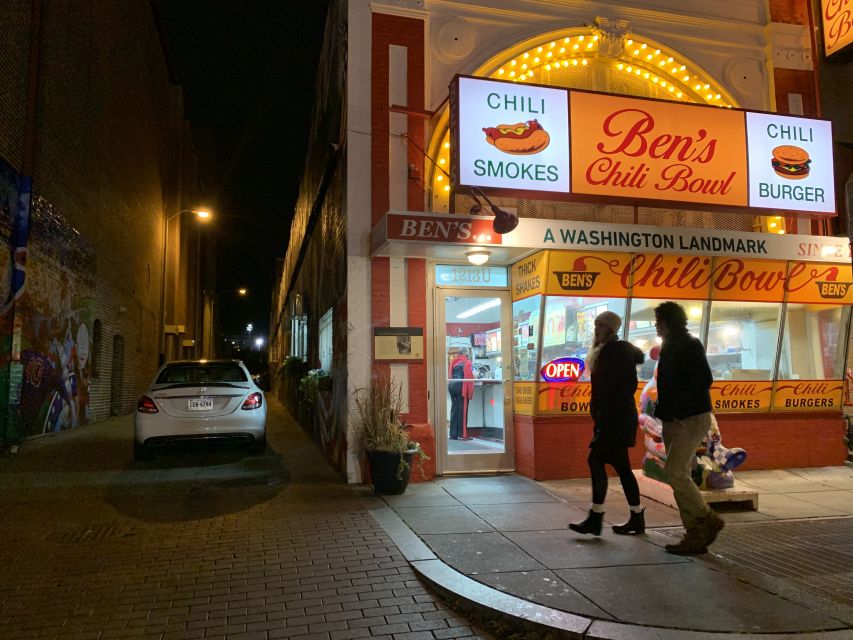
At $90 per person for a 2-hour walking tour, you’re paying for four main things: guided interpretation, a walk through meaningful neighborhood space, and museum access through included entry tickets. You’re not paying for transportation or food, which means the cost is concentrated on the experience itself.
Here’s how I think about value on tours like this:
- If you’re visiting DC for a short time, guided street context can save you from wandering without a story.
- Museum entry included reduces friction. You’re not trying to time museum tickets separately.
- The combination of neighborhood walking plus museum time gives you a “two-layer” experience: place-based stories outside, and structured context inside.
If you’re a solo traveler who likes meeting guides and learning from them, this can be solid value. If you’re very independent and already have strong background on U Street’s cultural history, you might not get as much incremental benefit from the guide. Still, even then, the museum stop and the Duke Ellington sculpture reference are practical reasons to consider it.
Who This Tour Suits Best
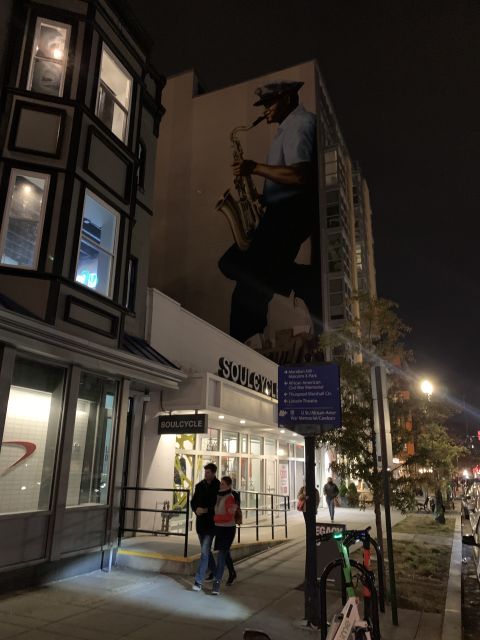
This fits you if you want a guided walk that connects African American heritage to specific DC locations, not just general facts. It also suits you if you like nightlife area context, because U Street isn’t stuck in the past. The neighborhood’s energy is part of the story.
It’s also a good pick if you enjoy music history and want to see how DC honors figures like Duke Ellington in public space. That sculpture moment and the street-based storytelling can make the connection feel tangible.
If you’re traveling with a group that varies in interests, the museum stop is a nice compromise. You get the walking and the street context, and you also get an inside stop that tends to appeal to people who want more background.
Just know it’s designed for walking. If you’re sensitive to walking time, plan accordingly and take comfortable breaks when needed.
Should You Book the Washington, D.C. African American Heritage Walking Tour?
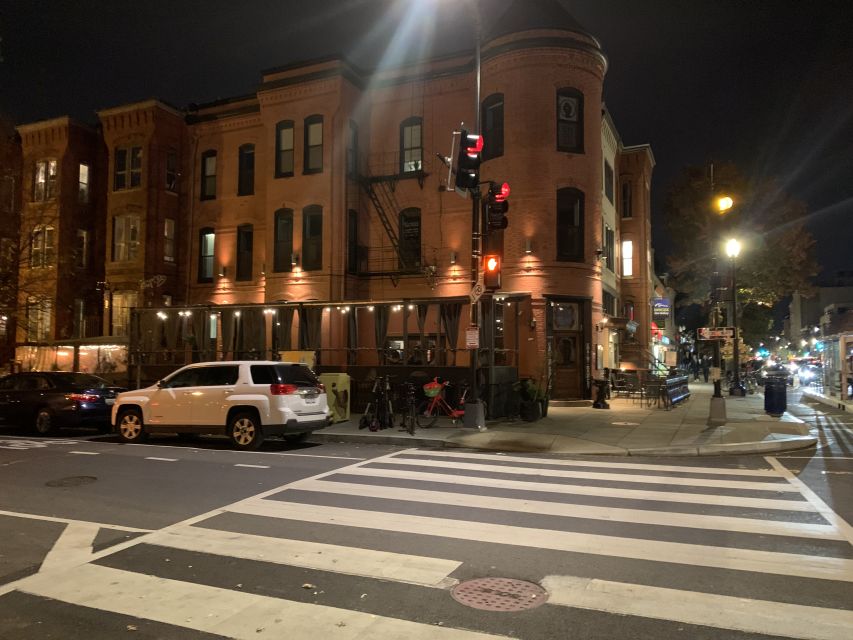
I’d book this tour if you want a time-efficient way to understand why U Street matters, with the added value of museum tickets and a clear focus on African American heritage. The Duke Ellington component alone gives it direction, and the walk-to-museum combination is a strong way to avoid the common problem of sightseeing without context.
I would not book it blindly if you’re the type who needs 100 percent reliability with zero communication hiccups. The experience depends on the guide showing up and running the tour smoothly, and the record includes examples where things went wrong. If you do book, check close to departure, arrive early at 1250 U St NW, and bring the right shoes.
If you handle those small steps, this is a worthwhile, location-based way to learn DC’s Black heritage while keeping your evening open for dinner on the same corridor.
FAQ
How long is the Washington, D.C. African American Heritage Walking Tour?
It lasts 2 hours.
What’s included in the price?
A local tour guide and entry tickets to an African American museum are included.
What does the tour cost?
The price is $90 per person.
Where is the meeting point?
The meeting point is 1250 U St NW Washington, DC 20009, United States.
Should I arrive early?
Yes. Please arrive 15 minutes before the activity starts.
Is food included?
No. Food and drinks are not included.
Is transportation included?
No. Transportation is not included.
Is the tour wheelchair accessible and what language is it in?
Yes, it is wheelchair accessible, and the tour is in English.
FAQ
Is the tour weather-dependent?
The tour takes place rain or shine.
Is there free cancellation?
Yes. You can cancel up to 24 hours in advance for a full refund.
Does the tour include entrance to Capitol One?
No. Entrance to Capitol One is not included.
DC on Foot: More Walks






More Tour Reviews in Washington Dc






Black Washington, Told Properly






Just Added: Fresh Washington DC Reviews
- Washington : Private Custom Walking Tour With A Guide (Private)★ 3.5 · 3 reviews
- 3-Hour Small Group Memorial Tour in Washington, D.C.★ 4.0 · 3 reviews
- Washington DC Private Guided Bus Day Tour with Step Off Guide★ 5.0 · 3 reviews
- Washington, DC: The Good Liar: Brian Curry★ 5.0 · 3 reviews
- DC Monuments Walking Tour: Small Group, Big Ideas★ 5.0 · 3 reviews
- Washington DC: Library of Congress Private Tour with Tickets★ 5.0 · 3 reviews
Black Washington Heritage Tours, side by side.
 ★ 4.5Guided African American History Tour with Reserved Museum EntryFrom $891,180 reviews
 ★ 4.5African American History Tour with Museum of African American History TicketFrom $90390 reviews
 ★ 4.9African American History Tour & Museum EntryFrom $89312 reviews
 ★ 4.6Walking Tour and African American MuseumFrom $80157 reviews
 ★ 4.7African American History Museum Private TourFrom $35054 reviews
 ★ 5.0Harlem Renaissance in DC Walking TourFrom $3036 reviews
 ★ 4.5Washington DC History of Slavery Walking TourFrom $4034 reviews
 ★ 4.5DC Landmarks Walking Tour + African American Museum AdmissionFrom $8034 reviews
The lists this tour appears in