
Review · SMITHSONIAN & MUSEUM TOURS
Smithsonian Natural History Museum Tour Semi-Private 8ppl
A museum this big can swallow your day. This 2.5-hour semi-private tour keeps you pointed at the best stops, with a guide who adds story and science where it actually matters. I love how the tour focuses on jaw-dropping objects like the Hope Diamond and real-world finds like mummies, without turning the visit into a speed run. The one drawback to plan around: the experience is tightly paced and security rules limit what you can bring in.
My favorite part is the human touch. Guides like Leigh, Tim, Amanda, Richard, Tony, and Brenda are praised for storytelling that lands with kids and adults, plus for adjusting the pace to what your group wants to see. I also like the mix of museum worlds: famous gems, Arctic wildlife, fossils, and even the Ocean Hall coral reef in the same walk.
One consideration: you’ll need to go light for security (no large bags), and the tour isn’t a wheelchair-friendly fit based on the provided info. That’s not a dealbreaker for everyone, but it’s worth checking before you book.
In This Review
- Key highlights worth knowing before you go
- How this 2.5-hour Smithsonian tour saves your best museum time
- The guides are the real upgrade (and they tailor the route)
- Gems first: the Hope Diamond and the Dom Pedro Aquamarine experience
- Ocean Hall’s coral reef: turning an indoor museum into a real sea trip
- Phoenix the whale replica: why a 45-ton model matters
- Real mummies and the science behind them
- Fossil Lab and Arctic Narwhal: where the tour gets practical
- Land giants: giraffes, elephants, polar bears, and what to watch for
- Ocean, gems, fossils, whales, mummies: the value is the mix
- What’s included vs. what you still need to handle
- Security, ID, dress rules, and quiet-room moments
- What this tour is best for
- Should you book this Smithsonian Natural History Museum tour?
- FAQ
- How long is the Smithsonian Natural History Museum tour?
- How many people are on a semi-private tour?
- Is it possible to book a private tour instead of a small group?
- Does the tour include skipping the ticket line?
- What ID do I need to bring?
- Are large bags or luggage allowed?
- Is this tour wheelchair accessible?
- What are the main highlights you’ll see?
Key highlights worth knowing before you go

- Small group size (up to 8) means less waiting and more room for questions
- Skip the ticket line so you spend time seeing, not queueing
- Hope Diamond + Dom Pedro Aquamarine give you two top-tier gemstone stories back to back
- Real mummies plus fossil stops make it more than a pretty museum walk
- Phoenix, the 45-ton whale replica ties science to real field work
- Ocean Hall’s coral reef exhibit brings the sea indoors in a way you can actually picture
More Smithsonian halls, out of the weather
- Guided African American History Tour with Reserved Museum Entry
★ 4.5 · 1,180 reviews - Smithsonian Museum of Natural History – Exclusive Guided Tour
★ 5.0 · 446 reviews - African American History Tour with Museum of African American History Ticket
★ 4.5 · 390 reviews - National Mall Tour with 10 Stops & U.S. Capitol or Museum Entry
★ 4.5 · 331 reviews
How this 2.5-hour Smithsonian tour saves your best museum time

The Smithsonian Natural History Museum is famous for big collections—and that can be a problem. Without a plan, it’s easy to get distracted, wander, and then feel like you missed the headline stuff. This tour is built to prevent that.
At a 150-minute pace, you’re not trying to see every room. You’re getting an efficient route through the most memorable sections, guided by an English-speaking pro who steers you toward the objects people come for—and explains enough context to make them more than nameplates.
You also have a group choice: small group or private options, with a cap of 8 people on semi-private tours. That matters because the museum is busy. A smaller group reduces crowd chaos and makes it easier for your guide to redirect you when something draws your attention.
The guides are the real upgrade (and they tailor the route)
Objects are impressive. But in this museum, a guide is what turns a list of exhibits into a connected experience.
In the feedback, names like Leigh and Tim show up for a reason: people loved how these guides kept things lively, explained clearly, and still made room for conversation. Tim is specifically noted for asking about interests so the group could spend more time where it mattered to them. Other guides like Amanda are praised for keeping attention with younger kids, which is no small job in a museum full of quiet exhibits and long halls.
That tailoring is a big value point. If you care more about gems and minerals, you’ll get the best angle on those. If your group is fossil- and whale-leaning, the guide can push you toward the “why it matters” science and the most relevant displays. You’re paying for direction, yes—but also for interpretation.
Gems first: the Hope Diamond and the Dom Pedro Aquamarine experience
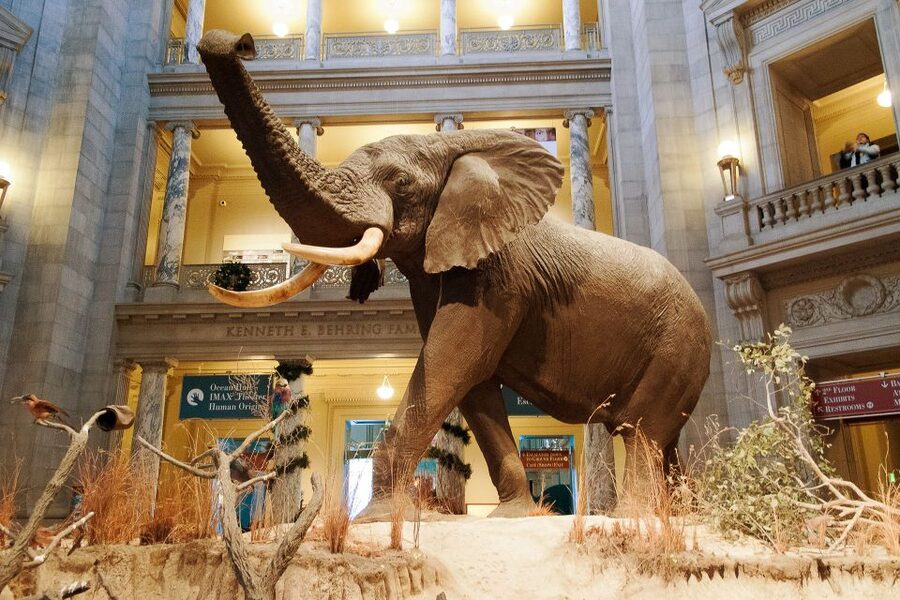
Let’s talk jewelry-level wow-factor. Two stars headline this tour: the Hope Diamond (46-karat) and the Dom Pedro Aquamarine, described as the world’s largest gem of its type. You’ll also hear about the Star of Asia Sapphire in the same gemstone thread.
Here’s why this works well for first-timers: gemstone exhibits are easy to treat like museum trophies. With a good guide, they become stories about geology, cutting, sourcing, and human history—without getting lost in facts you don’t remember.
A semi-private setup makes this part easier. You can pause for photos, ask questions, and still keep moving. In a large crowd, those pauses turn into delays. Here, your guide can steer around the bottlenecks so you actually spend your time looking, not shuffling.
Ocean Hall’s coral reef: turning an indoor museum into a real sea trip
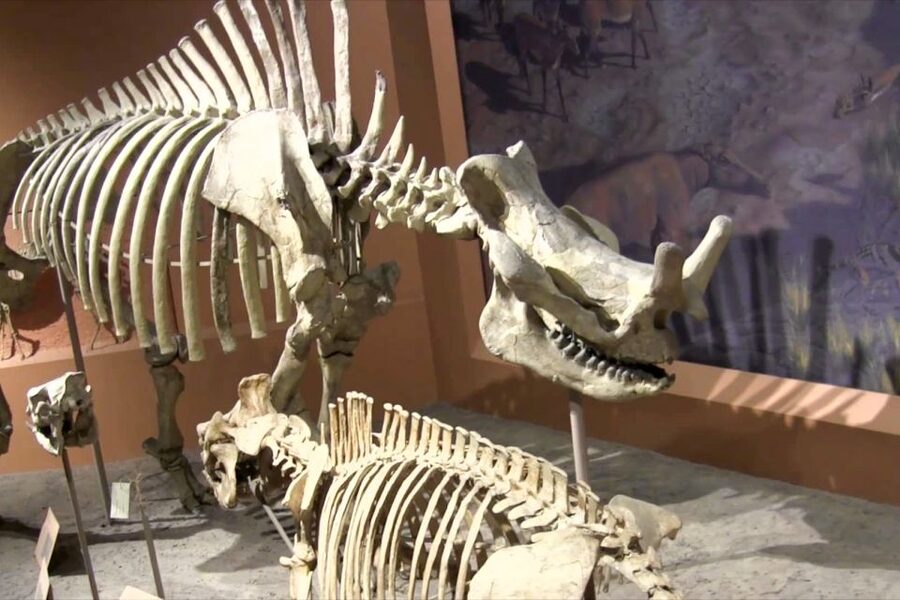
Then you hit the Ocean Hall, where a real-life coral reef exhibit brings the sea to you. This is a smart shift in tone. After hard-rock and gem objects, you get something visual and alive-feeling—colors, shapes, and the sense of scale that’s harder to grasp from a textbook.
The tour also includes additional marine-adjacent stops, including the story behind Phoenix, the 45-ton whale. That pairing helps you connect the dots between a “wow display” (coral reef) and the science angle (how whales are studied in the wild).
If you’re traveling with kids, this is often the moment where attention clicks. It’s not just big objects; it’s a scene. And when your guide is good at prompting questions, kids tend to start looking deeper instead of drifting.
Deeper into the capital past



Phoenix the whale replica: why a 45-ton model matters
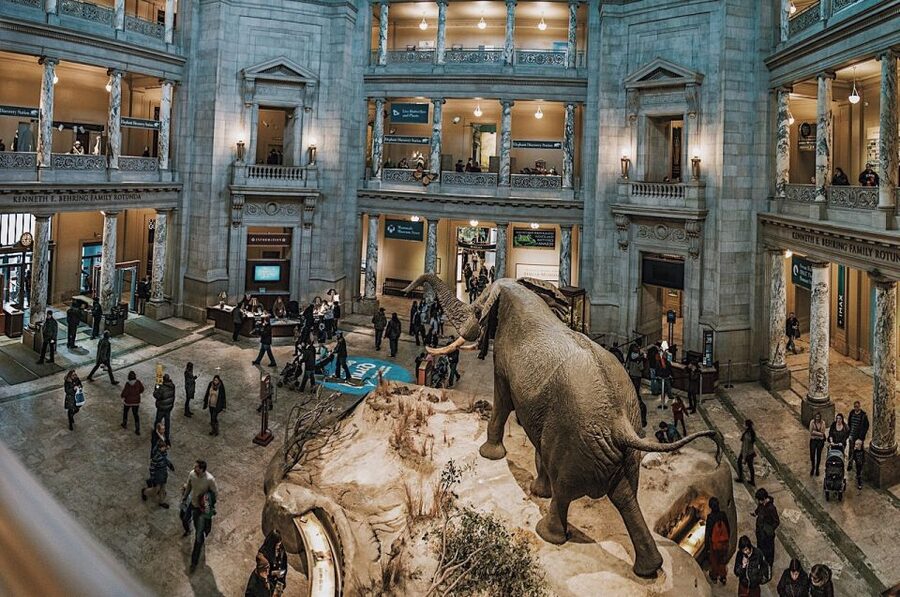
Phoenix isn’t a random statue moment. The museum has been following this whale in the wild, and the tour brings you that context through the replica.
The big reason I think this stop is valuable: it turns marine science from abstract to tangible. You can stand near something massive and still understand what researchers learned—and why they keep watching. Even if you’re not a “whales person,” the story connection makes it memorable.
And since this tour keeps group size small, you’re less likely to get stuck behind a wall of people who refuse to move. You can see the whale replica from angles that actually show what the exhibit is trying to communicate.
Real mummies and the science behind them
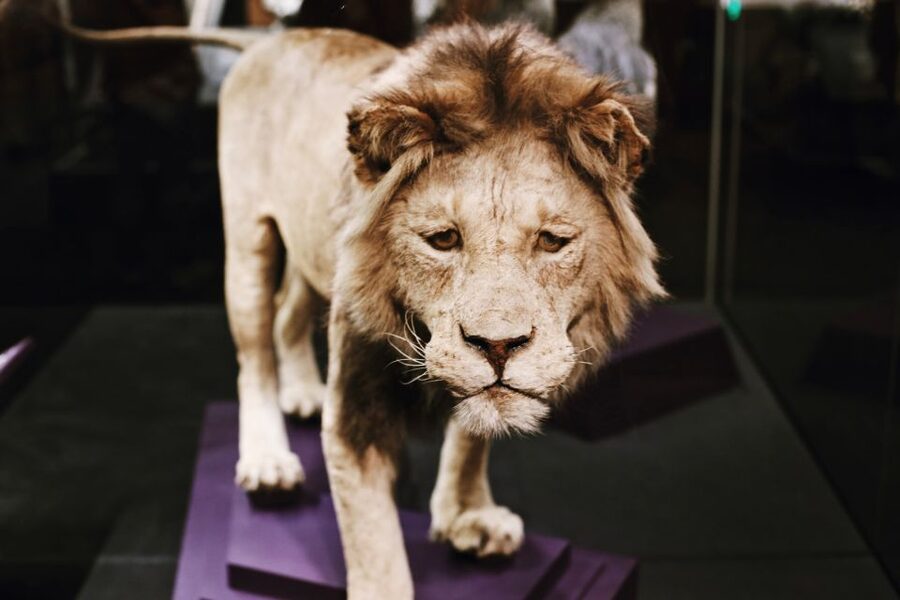
Yes, real mummies. This tour includes them, and it gives you more than the shock-and-awe version.
Mummies can go two ways in a museum: either you get a quick stare-and-go, or you get a human-and-science explanation. With a guide who tells the story well, you start thinking about preservation, research methods, and what artifacts can and can’t tell you.
Also, the museum has some rooms where speaking is restricted or quiet rules apply. Your guide will let you know what to expect before you enter those specific areas. That small heads-up helps you avoid the awkward part where you realize you’re in a quiet zone a minute too late.
Fossil Lab and Arctic Narwhal: where the tour gets practical
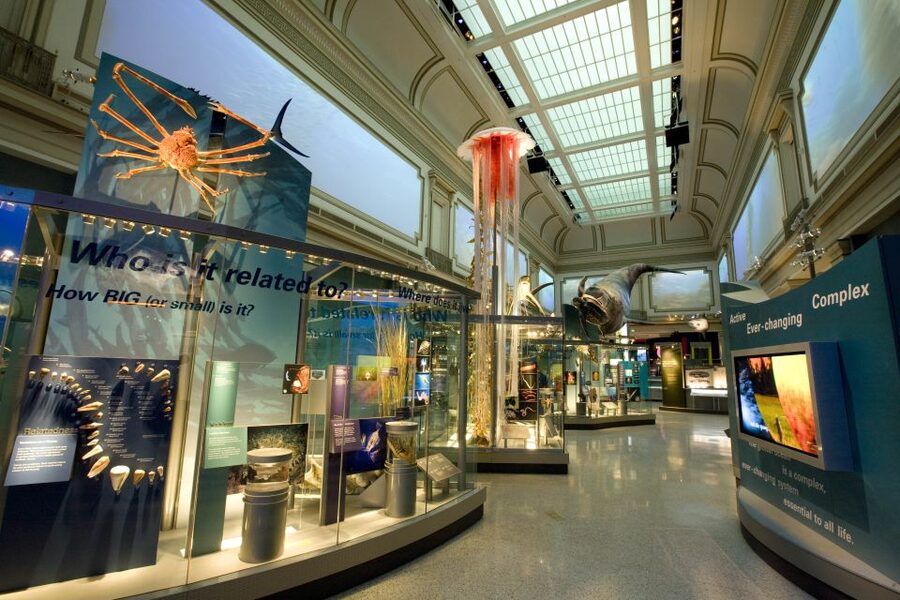
Not all “natural history” is about showpieces. This tour includes the Fossil Lab, which helps the whole museum feel more grounded.
And then there’s the Arctic Narwhal, a great stop for anyone who likes their science with a side of weirdness. Narwhals are already interesting animals. When they show up in a museum with the right context, you start thinking about habitat, adaptation, and why specific displays are chosen.
The Fossil Lab and narwhal pairing is a smart contrast: one is about interpreting deep time (fossils), the other is about understanding a living creature in the modern world. It’s the kind of pacing that makes the tour feel like it has a point.
Land giants: giraffes, elephants, polar bears, and what to watch for
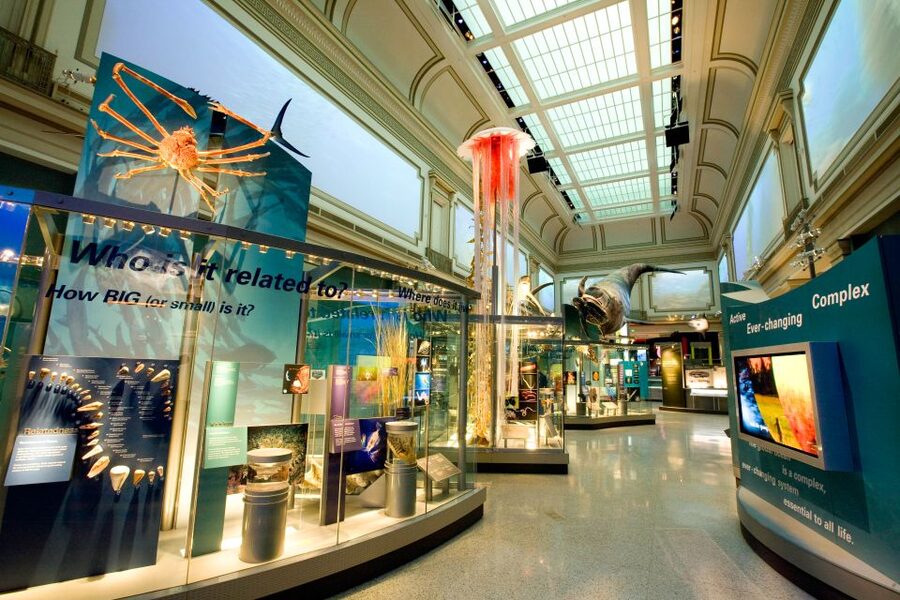
The tour also points you to land giants on display, including giraffes, elephants, and polar bears. This portion is useful even if you’ve seen animals in zoos, because museum displays often show you anatomy, scale, and classification in a different way.
Here’s what you should watch for when your guide is talking in this section: how the exhibit turns animal features into explanations. It’s less about the animal as a mascot and more about the “how” behind survival—diet, body structure, and environment.
If you have mixed interests in your group, this part tends to land for everyone. It gives your “I want to see something big” people their moment, while your science-curious friends get enough detail to stay engaged.
Ocean, gems, fossils, whales, mummies: the value is the mix
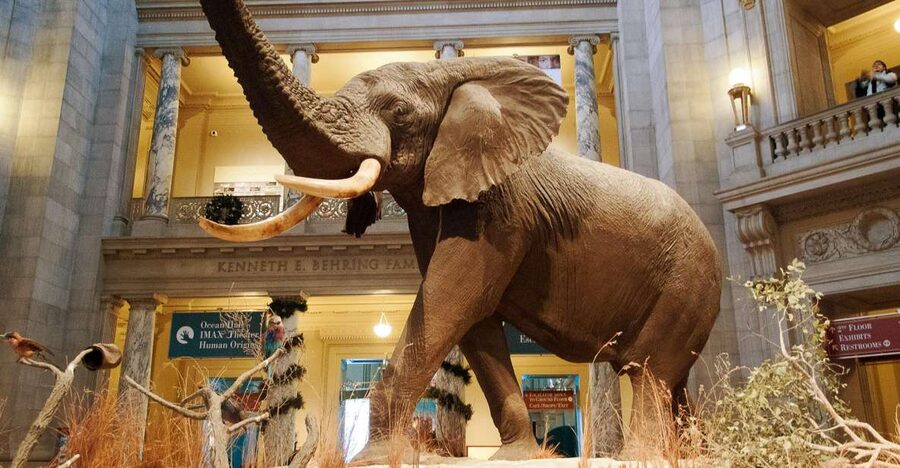
At $95 per person, you’re paying for three things at once:
- Time-saving routing in a museum that’s too large to plan on the fly
- Interpretation from a guide who helps you understand what you’re looking at
- A smoother experience thanks to a small group cap and skip-the-line access
This isn’t just a ticket with a walking buddy. People highlight that guides are responsive, conversational, and willing to adjust based on interests—like Tim’s interest-checking style or Brenda’s engaging approach. That’s where the price starts to make sense, especially on a first visit.
It also matters that the tour is professional-guided and designed as a 2.5-hour walking tour, not a “stand in one place” experience. The museum is too spread out for lazy pacing if you want the headline objects.
What’s included vs. what you still need to handle
The tour includes:
- A professional guide
- A 2.5-hour walking experience through the museum highlights
- A private or small group tour limited to no more than 8 people
- Wheelchair tours by request only (though the activity is also marked not suitable for wheelchair users, so you should confirm directly with the provider)
Not included:
- Hotel pickup and drop-off
- Food and drinks
- Temporary exhibits
Plan to bring your energy for a solid walk. Also, security is real. You can’t bring luggage or large bags, and only handbags or small thin bag packs are allowed through.
Because the meeting point can vary depending on which option you book, I’d treat arrival time as more important than being right on the dot. The tour runs on a tight museum clock.
Security, ID, dress rules, and quiet-room moments
This is where small logistics can make or break your mood.
Bring a passport or ID card. Photo ID is required for entry. Leave the big stuff at home or plan on storing it elsewhere, because the tour has strict rules on bags.
Dress appropriately for entry into some sites on the tour. That’s vague on purpose, but the lesson is simple: wear something you’d feel comfortable in when the museum expects you to blend in.
Finally, some rooms have quiet or restricted speaking rules. Your guide will tell you what’s inside before you enter those rooms. That’s actually helpful—because when you’re quiet, you want to know what you’re looking for.
What this tour is best for
I’d point this tour at three groups:
1) First-time visitors who want the big hits without hunting for them all day.
2) Families where kids need an active guide and not just a self-guided shuffle. Amanda and Tony’s mentions for keeping attention and responding to questions are a strong sign here.
3) People who like science stories more than museum trivia. Phoenix, fossils, Ocean Hall, and the Arctic narwhal give you that mix.
If you’re the type who enjoys wandering at your own pace for hours, you might find a guided route a little structured. But if you want to leave with a clear set of highlights and real understanding, this tour does that job.
Should you book this Smithsonian Natural History Museum tour?
Book it if you want:
- Skip-the-line access and a guided hit list that still feels thoughtful
- A small group experience with room for questions
- The standout objects—Hope Diamond, Dom Pedro Aquamarine, mummies, Phoenix, Ocean Hall coral reef, Fossil Lab, and Arctic Narwhal
Skip it (or confirm carefully) if:
- You hate walking and prefer long unstructured exploring
- You need wheelchair access and want zero ambiguity, since the provided info shows both wheelchair tours by request and a note that it isn’t suitable for wheelchair users
- You plan to bring large bags (the security rules are strict)
If you’re aiming for a smart first visit to the museum, this one is built like a guide-designed route: short enough to finish, focused enough to matter, and guided enough to make the objects stick in your memory.
FAQ
How long is the Smithsonian Natural History Museum tour?
The tour lasts 150 minutes, about 2.5 hours.
How many people are on a semi-private tour?
Semi-private tours allow no more than 8 people per tour, and there’s a minimum of 2 participants for semi-private departures.
Is it possible to book a private tour instead of a small group?
Yes. You can choose private or small group options.
Does the tour include skipping the ticket line?
Yes. Skip the ticket line is included.
What ID do I need to bring?
Bring a passport or an ID card and make sure you have a valid photo ID.
Are large bags or luggage allowed?
No. Luggage or large bags are not allowed. Only handbags or small thin bag packs are permitted through security.
Is this tour wheelchair accessible?
Wheelchair tours are listed as available by request only, but the activity is also marked not suitable for wheelchair users. You’ll want to confirm directly before booking.
What are the main highlights you’ll see?
Expect stops focused on the Hope Diamond, the Dom Pedro Aquamarine (and the Star of Asia Sapphire), real mummies, Ocean Hall with a coral reef exhibit, Phoenix (the 45-ton whale replica), the Fossil Lab, the Arctic Narwhal, and large land animal displays like giraffes, elephants, and polar bears.
The Capital Past, Up Close





More Tour Reviews in Washington Dc






More Smithsonian Halls


Just Added: Fresh Washington DC Reviews
- Washington : Private Custom Walking Tour With A Guide (Private)★ 3.5 · 3 reviews
- 3-Hour Small Group Memorial Tour in Washington, D.C.★ 4.0 · 3 reviews
- Washington DC Private Guided Bus Day Tour with Step Off Guide★ 5.0 · 3 reviews
- Washington, DC: The Good Liar: Brian Curry★ 5.0 · 3 reviews
- DC Monuments Walking Tour: Small Group, Big Ideas★ 5.0 · 3 reviews
- Washington DC: Library of Congress Private Tour with Tickets★ 5.0 · 3 reviews
Smithsonian & Museum Tours, side by side.
 ★ 4.5Guided African American History Tour with Reserved Museum EntryFrom $891,180 reviews
 ★ 4.8Museum of the Bible General AdmissionFrom $34494 reviews
 ★ 5.0Smithsonian Museum of Natural History – Exclusive Guided TourFrom $89446 reviews
 ★ 4.5African American History Tour with Museum of African American History TicketFrom $90390 reviews
 ★ 4.5National Mall Tour with 10 Stops & U.S. Capitol or Museum EntryFrom $59331 reviews
 ★ 4.9African American History Tour & Museum EntryFrom $89312 reviews
 ★ 5.0Smithsonian Museums Walking Tour with Reserved Air & Space EntryFrom $79297 reviews
 ★ 4.5Capitol Combo: U.S. Capitol + Library Congress or Capitol MuseumFrom $79294 reviews
The lists this tour appears in