
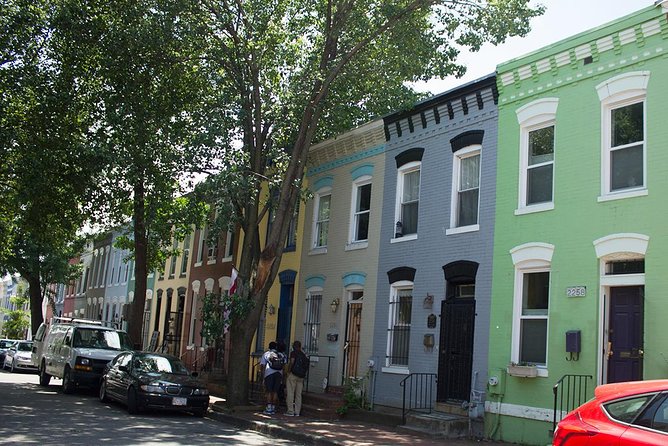
Review · DC FOOD TOURS
DC’s Original Food and History Walking Tour
Skip the monuments, try U Street.
This DC walking food and history tour takes you through the U Street corridor, formerly called Black Broadway, where lunch turns into a lesson in music, migration, and community life.
I especially love the big-name comfort-food hits, like Ben’s Chili Bowl half-smokes, and I like how the guide weaves in context as you go, with praised storytellers such as Jim and Soneka setting the tone.
One possible drawback: the tastings are served family-style, and shared plates mean you may end up eating with your hands, which some people will like and others won’t.
In This Review
- Key things you should know before you go
- Why U Street Food Tours Feel Different Than Typical Sightseeing
- The 3-Hour Walk: Where You Start, How Far You Go
- Food Stops You Can Actually Plan Around: Ben’s, Pastelitos, Ethiopian, and Ice Cream
- Ben’s Chili Bowl for the DC classic
- Colada Shop for guava cheese pastelitos
- An Ethiopian stop that expands your idea of lunch
- A sweet finish with Jeni’s Ice Cream
- A practical caution about taste variety
- How the History Gets Told: Black Broadway Stories, Murals, and Even the Soldier’s Wall
- Value Check: Is $112 Worth It for Lunch, Walking, and a Charity Meal?
- Who This Tour Suits Best (And When to Choose Something Else)
- Book It or Skip It? My Practical Recommendation
- FAQ
- Is this tour only for food, or does it include history too?
- How long is the tour?
- Where does the tour start and end?
- How far do we walk?
- How many people are in a group?
- Do they offer vegetarian food?
- Can the tour accommodate dairy allergies?
- What’s included in the ticket price?
- Is hotel pickup or drop-off included?
- What if it rains?
- Can I cancel for a refund?
- Service animals are allowed?
Key things you should know before you go
- U Street corridor focus: You walk the heart of the Black Broadway story, not just a quick stop-and-snap route
- Around 1.5 miles on foot: Enough walking for a real afternoon plan, not a marathon
- Four main tasting moments: Many runs include Ben’s Chili Bowl, Colada Shop pastelitos, an Ethiopian stop, and a sweet finish
- Street art and murals: History shows up on buildings as much as in the story
- Small group size (max 8): Easier questions, easier pacing, less waiting around
- Lunch plus charity impact: Your ticket supports a donation feeding meals to someone in need
Still hungry? More DC bites and food walks
- Delicious Donuts of Downtown DC: A Sweet City Experience
★ 5.0 · 512 reviews - Georgetown Foodie Culinary Tour & Neighborhood Walk
★ 5.0 · 437 reviews - Gastronomic Georgetown Walking Food Tour
★ 4.5 · 373 reviews - Washington’s Hidden Gems Food Tour with 6+ Tasty Bites
★ 4.5 · 292 reviews
Why U Street Food Tours Feel Different Than Typical Sightseeing
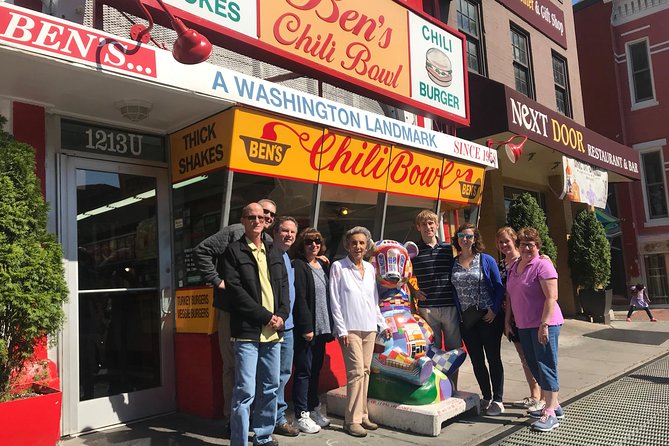
U Street in Washington, DC is one of those neighborhoods where food and story naturally link up. You’re walking through blocks associated with Black Broadway, the era when music, nightlife, and culture shaped the city’s identity. This tour is built around that idea: you’re not just eating snacks, you’re learning why these streets became what they became.
What makes the experience feel grounded is the way the tour treats everyday places as historical anchors. Street art and murals aren’t just decorations here; they’re part of the visual record of change. You’ll also hear about the neighborhood’s evolution through events, historic venues that are still in operation, architecture, and the ongoing cultural conversation happening on the sidewalks.
For me, the strongest promise is that you’re getting a walk with purpose. You still eat well, but the story keeps giving you something to notice as you move—like you’re reading the neighborhood with your feet.
The 3-Hour Walk: Where You Start, How Far You Go
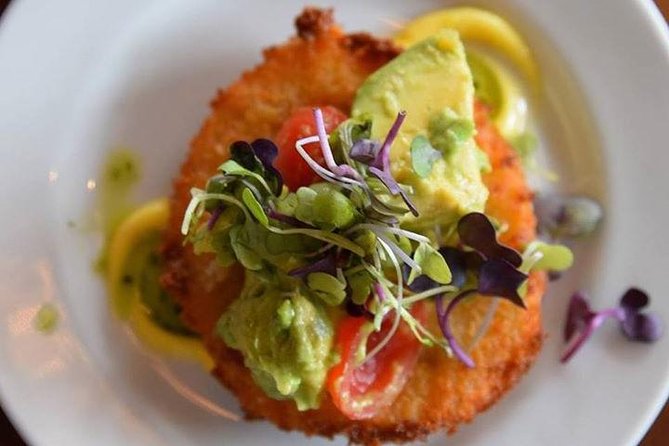
This tour runs about 3 hours and starts at 1213 U St NW (11:30 am). It ends at 1405 T St NW, so you’re not doing a strict out-and-back loop. You’ll walk roughly 1.5 miles, which is manageable for most people, but still enough that good shoes matter.
The group stays small, with a maximum of 8 travelers. In a small group, you feel the pacing more than the crowding. It’s also easier to hear the guide over street noise and to ask questions without feeling like you’re interrupting a conveyor belt.
You’ll also want to plan for weather. The tour operates in all weather, so dress like you’re commuting—layers, a hat if it’s sunny, rain protection if needed. One practical thing: if you’re the type who snacks to survive sightseeing, this tour does the opposite. The plan is built around lunch amounts, not just a few bites.
Food Stops You Can Actually Plan Around: Ben’s, Pastelitos, Ethiopian, and Ice Cream
This is a food-focused tour, but it’s not a scattershot sampler. Many runs follow a pattern of several stops with satisfying portions, and the goal is for you to leave feeling fed—not merely grazed.
Ben’s Chili Bowl for the DC classic
Ben’s Chili Bowl shows up as a highlight in multiple experiences. You’ll likely run into the famous half-smoke moment, and you’ll also hear about other classic menu items like chili dogs. People consistently single out the half-smoke as a must-try, and it’s easy to see why: it’s the kind of local staple that turns a simple tasting into a real DC memory.
DC at walking pace, more routes


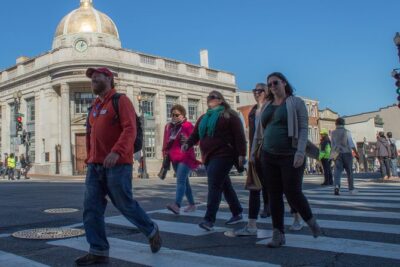
Colada Shop for guava cheese pastelitos
Another commonly mentioned stop is Colada Shop, where the guava cheese pastelitos get called out again and again. This is a good point in the walk to shift from savory comfort into sweet-fruity pastry flavor. If you like when a tasting has a distinct, identifiable theme, this is one.
An Ethiopian stop that expands your idea of lunch
A standout for first-timers is the Ethiopian experience. The feedback points to flavorful spices, generous presentation, and the way the meal makes the cultural context feel tangible. If you’ve never tried Ethiopian cuisine, this portion of the tour is often the part that surprises people in a good way—especially if you enjoy communal meals and bold flavors.
A sweet finish with Jeni’s Ice Cream
Dessert shows up too, often as a late stop. Jeni’s Ice Cream comes up repeatedly, including descriptions of ice cream served in a warm waffle cone. The vibe here is simple: you’re finishing strong after walking and eating, and you’re getting something you can’t easily recreate at home.
A practical caution about taste variety
Here’s the balance. Some people love every stop; others think one dessert stop is less tied to the neighborhood story than they expected. The tour seems designed around a mix of food categories—savory staples, pastry, one distinct cuisine, then dessert—so if you’re picky about your sweets or you want only strictly local-food stops, it’s worth going in with flexible expectations.
How the History Gets Told: Black Broadway Stories, Murals, and Even the Soldier’s Wall
The historical part isn’t just a lecture delivered while you stand still. It’s woven into what you see and what you eat. You’ll learn about the U Street corridor as it changed over time, including the neighborhood’s role in American cultural history and community life.
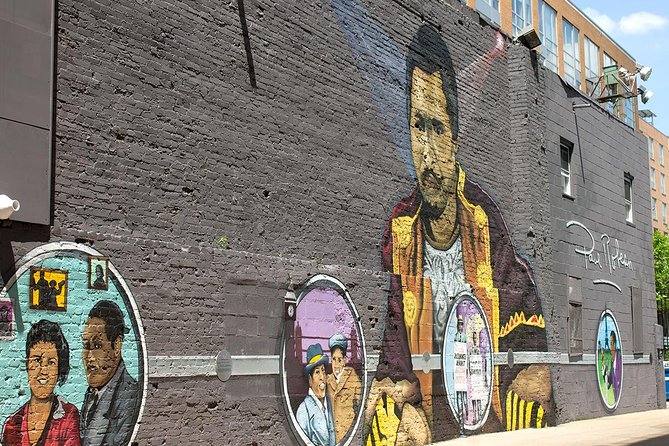
One recurring theme is street-level history: events, historic venues that still operate, and architecture you can actually point to. You’ll also get story prompts connected to street art and murals, so the neighborhood feels like a living timeline.
Some experiences also mention deeper stops within the tour, such as the Soldier’s Wall and topics tied to something like the 4 Ls. There’s even mention of joining a tour tied to an in-uniform Civil War soldier, described as informative and engaging. The point for you: this tour can include more than just food-and-walking narration—it may branch into history moments that feel like an added mini-lesson.
If you’re the type who loves context, you’ll likely enjoy how the guide connects each tasting to a bigger picture. If you’re the type who wants pure food variety with minimal story, you may find yourself wishing for more focus on the dishes themselves and less on the broader neighborhood narrative.
Value Check: Is $112 Worth It for Lunch, Walking, and a Charity Meal?
Let’s talk value like a local would. At $112 per person, you’re paying for three things:
First, you’re paying for lunch and multiple tastings with a professional guide. This isn’t a coffee-and-cookie stroll. The tour is designed so you leave full, and multiple experiences note generous, satisfying portions.
Second, you’re paying for storytelling that moves. The guide isn’t just handing you facts. You’re walking about 1.5 miles and learning as you go—about the neighborhood, the culture, and what the places mean.
Third, the price includes a donation: your ticket supports a local charity partner, with a claim that the donation is enough to feed a DC resident in need three full meals. That’s not a tiny add-on. If you care about travel that gives something back while you play, this matters.
So who gets the best deal? You. If you like guided walking, you want a neighborhood you can’t easily understand in 20 minutes, and you like tasting food that’s tied to place.
The one value trap to avoid is expecting a huge number of micro-tastes. The tour appears built around fewer stops with fuller portions, plus a charity and history layer. If you prefer lots of tiny bites across many vendors, this may feel different than the food tours you’ve done elsewhere.
Who This Tour Suits Best (And When to Choose Something Else)
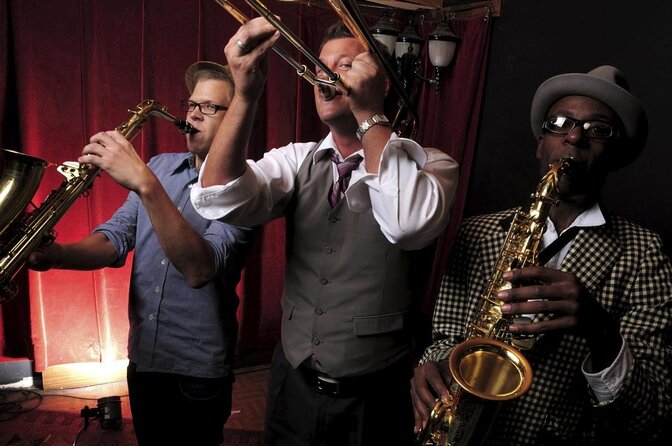
This tour is a good match if you want a U Street Food and History afternoon that combines comfort-food favorites with cuisine you might not seek out on your own. It’s also ideal if you love neighborhoods where street art, music history, and community identity aren’t separate topics.
It’s also a solid fit for small groups. A max of 8 travelers makes it feel more personal, and it tends to be where guides can keep the pace relaxed and conversational.
A few practical suitability notes:
- Vegetarian is available, but not vegan, and the tour cannot accommodate vegans.
- The tour also notes it cannot accommodate dairy allergies.
- It runs in all weather, so you’ll want to dress for walking.
If you’re traveling as a couple, a group of friends, or with family (kids must be accompanied by an adult), this can work well because everyone gets the same route and the same story thread. If your top priority is strict food variety, strict dietary safety beyond the stated options, or minimal walking, you might want a different style of tour.
Book It or Skip It? My Practical Recommendation
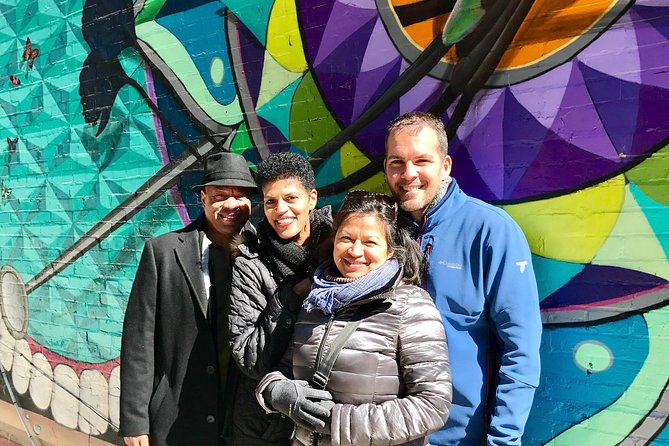
I’d book this tour if you want more than a meal. You’re paying to learn why U Street became U Street—then eating your way through that story. The repeated callouts for Ben’s Chili Bowl, Colada Shop pastelitos, the Ethiopian stop, and Jeni’s Ice Cream suggest you’ll likely get a mix that feels fun and memorable.
I’d think twice if you’re strict about dietary limits beyond vegetarian (especially vegan or dairy-free). I’d also think twice if you hate the idea of family-style shared plates, since the format can involve shared eating.
If you do book, come hungry, wear comfortable shoes, and give the guide your full attention for the first half-hour. The history connects best when you don’t treat it like background noise.
FAQ
Is this tour only for food, or does it include history too?
The tour is a food-and-history walking experience. You’ll visit local restaurants for tastings and learn about the U Street corridor, including culture, events, architecture, and street art.
How long is the tour?
It runs about 3 hours (approx.).
Where does the tour start and end?
It starts at 1213 U St NW, Washington, DC 20009 and ends at 1405 T St NW, Washington, DC 20009.
How far do we walk?
You’ll walk about 1.5 miles over the course of the experience.
How many people are in a group?
The maximum group size is 8 travelers.
Do they offer vegetarian food?
Yes, a vegetarian option is available. However, the tour does not accommodate vegan diets.
Can the tour accommodate dairy allergies?
The tour notes it is not able to accommodate dairy allergies.
What’s included in the ticket price?
The tour includes a local/professional guide, lunch, and a donation to a local charity partner (enough to feed a DC resident in need three full meals).
Is hotel pickup or drop-off included?
No, hotel pickup and drop-off are not included.
What if it rains?
The tour operates in all weather conditions, so dress appropriately.
Can I cancel for a refund?
Free cancellation is available up to 24 hours in advance of the experience for a full refund.
Service animals are allowed?
Yes, service animals are allowed.
If you tell me your dates and any diet needs (vegetarian, dairy-free, vegan, etc.), I can help you decide if this fits your plan and what to prioritize when you’re on U Street.
DC on Foot: More Walks





More Tour Reviews in Washington DC






Eat DC: More Food Walks



Just Added: Fresh Washington DC Reviews
- Washington : Private Custom Walking Tour With A Guide (Private)★ 3.5 · 3 reviews
- 3-Hour Small Group Memorial Tour in Washington, D.C.★ 4.0 · 3 reviews
- Washington DC Private Guided Bus Day Tour with Step Off Guide★ 5.0 · 3 reviews
- Washington, DC: The Good Liar: Brian Curry★ 5.0 · 3 reviews
- DC Monuments Walking Tour: Small Group, Big Ideas★ 5.0 · 3 reviews
- Washington DC: Library of Congress Private Tour with Tickets★ 5.0 · 3 reviews
DC Food Tours, side by side.
 ★ 5.0Delicious Donuts of Downtown DC: A Sweet City ExperienceFrom $70512 reviews
 ★ 5.0Georgetown Foodie Culinary Tour & Neighborhood WalkFrom $79437 reviews
 ★ 4.5Gastronomic Georgetown Walking Food TourFrom $84373 reviews
 ★ 4.5Washington’s Hidden Gems Food Tour with 6+ Tasty BitesFrom $98292 reviews
 ★ 4.5Tastes of Georgetown Food & History Small Group Walking TourFrom $129203 reviews
 ★ 4.0Tea Around Town: High Tea Experience and Tour of Washington DCFrom $85154 reviews
 ★ 5.0Acquired Taste Food Tour in GeorgetownFrom $95105 reviews
 ★ 4.7Washington D.C.: Taste of Georgetown Walking Food TourFrom $12989 reviews
The lists this tour appears in