
Review · SMITHSONIAN & MUSEUM TOURS
Natural History Museum & American History Museum
Two Smithsonian museums in one tight plan. You get an expert guide and a route that makes major icons feel close-up, not distant. I especially like the focus on the Hope Diamond and the way the day is paced by a guide, not by guesswork. In past groups, guides like Brenda and Donna have earned standout praise for making the big objects make sense.
I love the Natural History stop for its classic showpieces, like Henry the elephant greeting you in Fossil Hall territory. You also get a strong American History lineup, including Dorothy’s Ruby Slippers and the kinds of artifacts that connect everyday life to major turning points. It is a good mix of science wonder and national story.
One drawback to plan around: you have to travel light. No large bags are allowed inside, and some rooms follow quiet or restricted rules for talking, so you’ll want to keep your group voice in check.
In This Review
- Key highlights worth getting excited about
- Two Smithsonian hits, one sensible route
- Natural History Museum: Henry the elephant and Fossil Hall scale
- Hope Diamond and real mummies without the wandering
- American History Museum: Ruby Slippers, First Ladies, and big symbols
- The Star-Spangled Banner and the Greensboro Lunch Counter
- What makes the guide-led “highlights” format worth it
- Price and timing: is $166 a good deal?
- Logistics that actually matter on museum days
- Who this Smithsonian combo suits best
- Should you book this Natural History + American History highlights tour?
- FAQ
- How long is the Natural History and American History combo tour?
- How is the time split between the two museums?
- Where do we meet the guide?
- Does the tour skip the ticket line?
- What group size should I expect?
- What famous items are included?
- What should I bring, and what bags are allowed?
- Is the tour wheelchair accessible?
- Are food and drinks included?
Key highlights worth getting excited about
- Up to 8 people means the guide can actually answer questions
- Henry the elephant kicks off the Natural History experience with instant wow
- Fossil Hall icons like Mastodon, T-Rex, and Diplodocus anchor the science side
- Hope Diamond + real mummies deliver two crowd magnets without the aimless wandering
- American History showstoppers include Dorothy’s Ruby Slippers, First Ladies, and Lincoln’s Top Hat
- Guides Brenda and Donna are specifically called out for clear, engaging explanations
More Smithsonian halls, out of the weather
- Guided African American History Tour with Reserved Museum Entry
★ 4.5 · 1,180 reviews - Smithsonian Museum of Natural History – Exclusive Guided Tour
★ 5.0 · 446 reviews - African American History Tour with Museum of African American History Ticket
★ 4.5 · 390 reviews - National Mall Tour with 10 Stops & U.S. Capitol or Museum Entry
★ 4.5 · 331 reviews
Two Smithsonian hits, one sensible route

The Smithsonian Museums can feel like a choose-your-own-adventure where the pages never end. This combo tour solves the problem by focusing on a highlights route in two major buildings. You get a guide to point you toward the objects most people come for, then add context so you’re not just snapping photos.
The day is built around two separate 2-hour highlight tours: National Museum of Natural History first, then National Museum of American History after a break. That break matters. It keeps the pace from turning into a marathon, especially if you’re traveling with kids or you hate feeling rushed through galleries.
You’re also not dealing with a huge crowd shuffle. The tour runs as private or semi-private with a maximum group size of 8 people, which helps you move smoothly and ask direct questions.
Natural History Museum: Henry the elephant and Fossil Hall scale
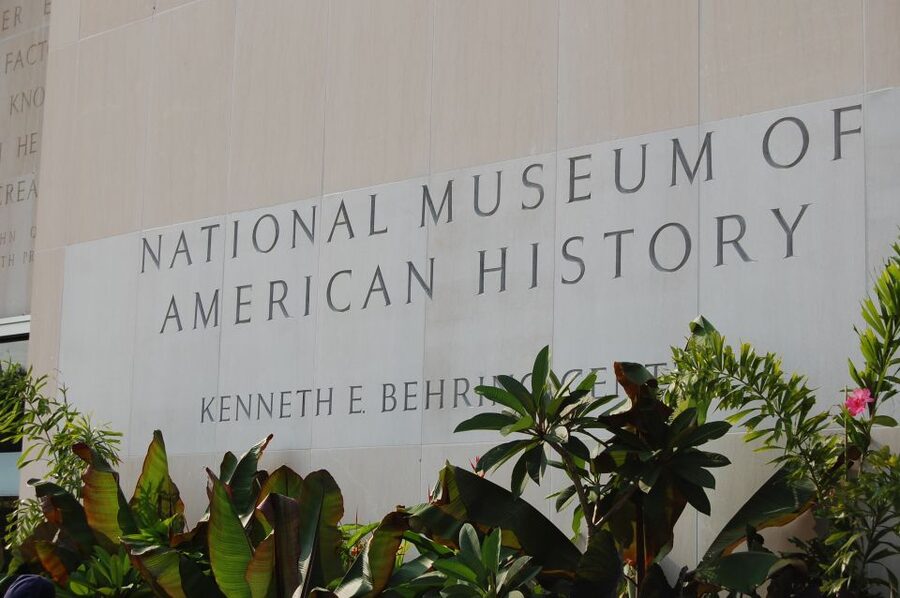
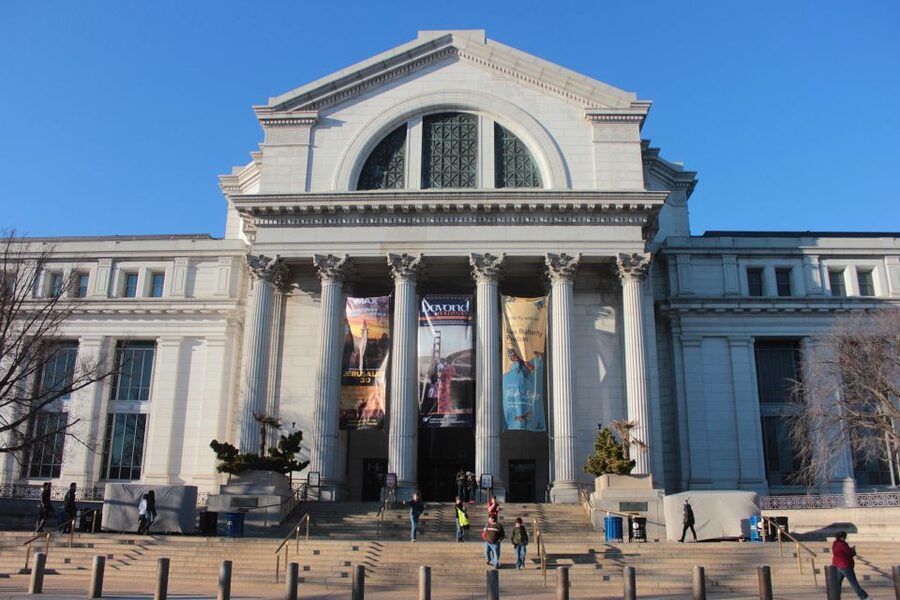
You start at the Madison Drive NW entrance of the Natural History Museum, meeting your guide on the large stairs facing the National Mall lawn. It’s a clear landmark start, which helps a lot in a city where everyone seems to be running late.
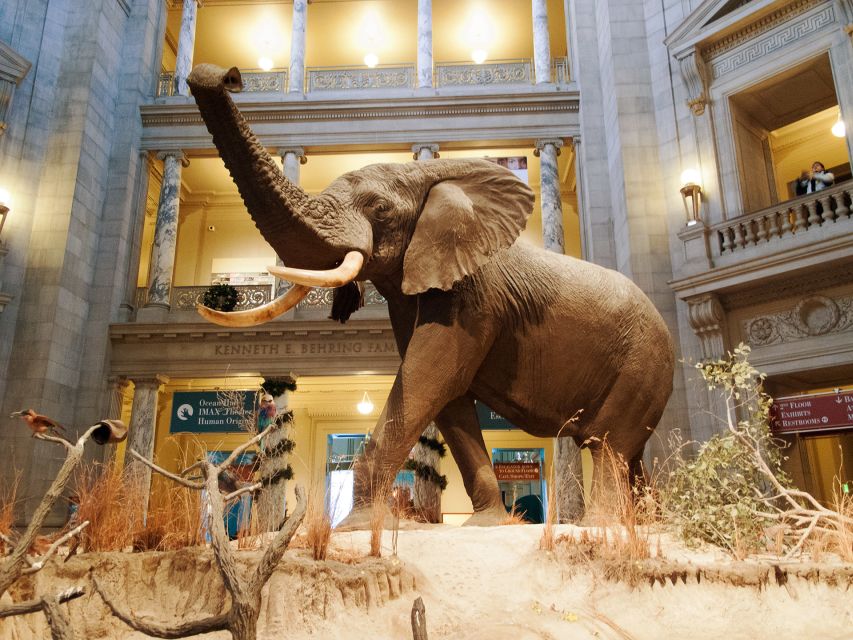
From the start, the Natural History Museum route is designed to hit the museum’s biggest “you can’t miss this” feeling. The guide brings you into the world of stones, bones, and bugs, with Henry the largest taxidermied elephant in the world greeting you at the entry. It’s a fun opening because it’s not abstract. It’s immediate, physical, and a little goofy in the best way.
Next comes the Fossil Hall focus. You’ll see major prehistoric stars like Mastodon, T-Rex, and Diplodocus looming overhead. The point here isn’t only spectacle. With a guide, the fossils become a story about time—how we know what lived, how scientists classify it, and why these displays are arranged the way they are.
If you’re the type who usually walks past science labels, you’ll likely like this format. The guide’s job is to translate the exhibit into plain language and point out what to notice so you don’t miss the details that make fossils feel real.
Hope Diamond and real mummies without the wandering
Two of the most famous Natural History “stop-and-stare” items are part of this tour: the Hope Diamond and real mummies.
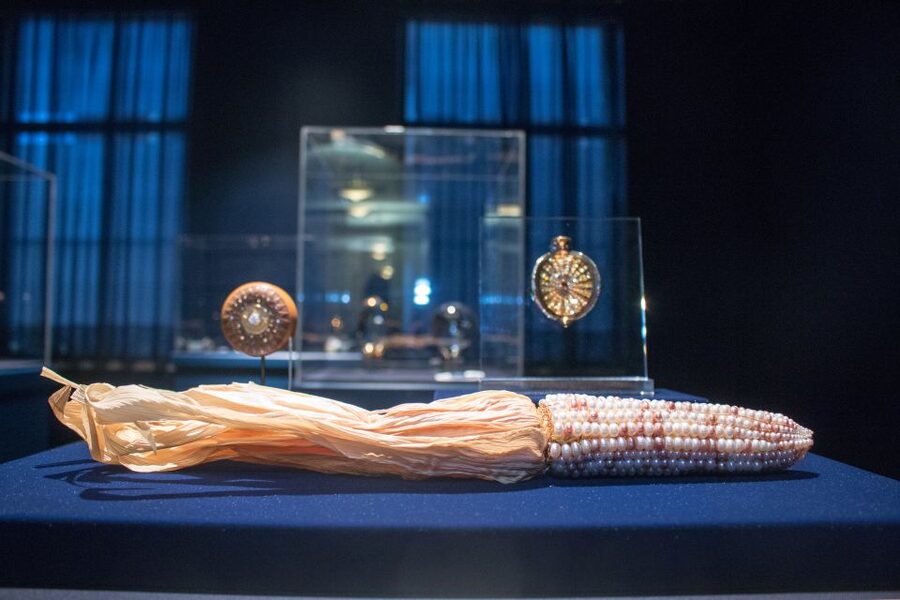
The Hope Diamond gets special mention for a reason. It’s one of the world’s most talked-about jewels, and this tour uses that fame as a doorway into the object itself—where it comes from, what makes it famous, and why people keep repeating the story around it. The description here leans into the idea of it being (supposedly) cursed, but the real value is how a guide helps you look past the myth and at the gemstone as an artifact.
Then you get the chance to come face-to-face with real mummies. This is one of those “only at museums” experiences that feels both eerie and educational. With a guided route, you’re more likely to stay oriented and understand what you’re seeing instead of just passing through the room quickly.
Natural History has a lot of rooms and a lot of temptations. A highlights tour keeps you from getting stuck in a single gallery too long and missing the other big-ticket items.
American History Museum: Ruby Slippers, First Ladies, and big symbols

After a recharge break, you head to the National Museum of American History. This is where the day pivots from natural science into cultural identity and national change. It’s still dramatic, just in a different way: instead of fossils, you’re looking at objects tied to politics, war, civil rights, and pop culture.
The first big icon on the list is Dorothy’s Ruby Slippers. They’re the kind of artifact people recognize instantly, even if they don’t know anything else in the building. On a guided route, that recognition becomes more than nostalgia—you learn how museums frame meaning and why certain items become symbols.
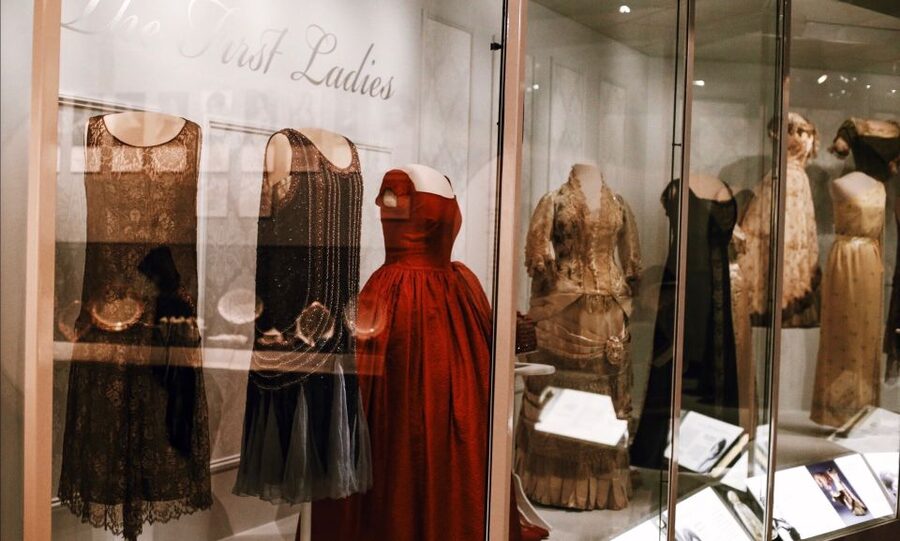
You’ll also walk through the First Ladies exhibit. It’s noted as the most visited exhibit in the history of the Smithsonian. That tells you something important: this isn’t obscure. This is a centerpiece display, and having a guide means you can get the highlights without losing time in a room that’s popular for a reason.
Another standout object is Lincoln’s Top Hat. It’s a small item compared to some of the building’s big installations, but it has a lot of attention for a reason: it connects you to a specific person, a specific era, and the visual language Americans associate with leadership.
Deeper into the capital past


The Star-Spangled Banner and the Greensboro Lunch Counter
The American History side doesn’t stop at costumes and celebrity objects. It also takes on national turning points through artifacts you can actually stand in front of.
You’ll see the Star-Spangled Banner that flew over Fort McHenry around dawn during the War of 1812—the moment that became a turning point and later inspired the anthem in the 1930s. A guide helps you understand why the exhibit connects that moment to the wider idea of national identity, not just to a piece of fabric.
Then there’s the Greensboro Lunch Counter, which represents struggle and change and shows how battles for rights took different forms. This is one of those displays where context makes the item hit harder. It’s easy to treat it like a historical prop. The tour pushes it toward understanding why it matters.
The route also includes a range of objects that widen the story beyond politics alone—things like cars, trains, kitchens, military uniforms, political ephemera, and even Hollywood memorabilia. That variety is valuable because it reminds you that history is not only speeches and wars. It’s what people used, wore, argued about, and watched.
What makes the guide-led “highlights” format worth it
This tour is not pretending you’ll see everything. Smithsonian museums are enormous. The value is that you get the most famous items with a guide who can connect the dots quickly and clearly.
That “connect the dots” part is where the small details start to matter. For example, your guide will keep you moving through both museums so you don’t waste time debating where to go next. You’ll also get tips on what to notice in each room, which is especially helpful for huge exhibits where it’s easy to stare at the first thing you see and miss the rest.
The format also tends to reduce decision fatigue. Instead of you building a mini itinerary under time pressure, you’re following a route designed around the must-see items—Hope Diamond, real mummies, Ruby Slippers, First Ladies, Lincoln’s Top Hat, and key national artifacts—then using context to make it all stick.
And the guide quality matters. The provided feedback specifically highlights Brenda and Donna as excellent for explaining things clearly. On a tour like this, that difference shows. A good guide turns a famous object from a photo into an experience you remember.
Price and timing: is $166 a good deal?
At $166 per person for a 5.5-hour tour, you’re paying for three things: two guided highlight blocks, expert interpretation, and a small-group pace that avoids the worst of roaming around.
If you go solo, you can absolutely see these museums on your own. But you’ll spend more time deciding where to go, which galleries to prioritize, and how to connect the exhibit dots in your head. You’ll also be more likely to hit bottlenecks from lineups and general crowds.
This tour covers two 2-hour highlight tours plus time to move between museums and reset. That’s a practical middle ground for first-time DC museum visitors. You get major icons plus enough explanation to make the experience feel purposeful, not just like a checklist.
Logistics that actually matter on museum days
A few practical points will make your day smoother.
You meet your guide on the large stairs at the Madison Drive NW entrance of the Natural History Museum, facing the lawn of the National Mall. You end back at the meeting point, so you’re not trying to figure out a new drop-off location.
Bring passport or ID. You’ll want valid photo ID with you.
Plan to travel light. Luggage or large bags aren’t allowed inside. Only handbags or small thin bag packs should go through security. Also, keep an eye out for room rules: some specific areas require quiet or restrict speaking, and the tour briefing will cover that.
Dress smart for entry into some sites. The information says appropriate dress is required for certain spots, so think neat and practical rather than ultra-casual.
Finally, keep expectations realistic about what you’ll see. Highlights can vary, and the tour focuses on key items rather than temporary exhibits.
Who this Smithsonian combo suits best
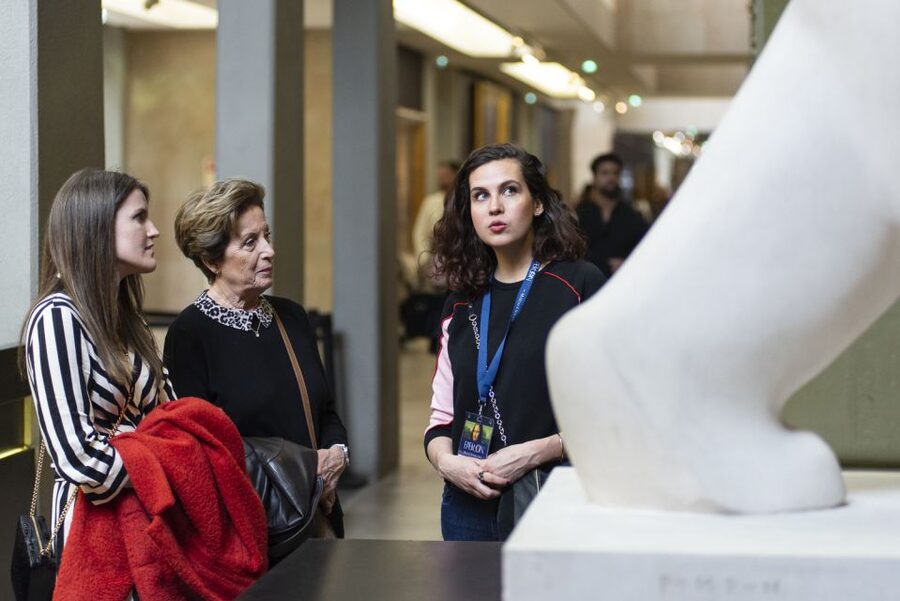
This tour fits well if you want a guided highlights path through two of the Smithsonian’s most famous museums without losing half a day to navigation and indecision.
It’s also a strong option if you like iconic objects and want context for why they matter. If you’re bringing kids, the Natural History side has immediate wins (Henry the elephant, big fossils), while the American History side offers familiar pop-culture touchstones like the Ruby Slippers alongside serious exhibits.
It may be less ideal if you prefer to linger in one gallery for a long time. The day is structured, and “I want to stare at one display for 45 minutes” will fight the schedule.
On accessibility, the information includes a note about wheelchair tours being available by request only, but it also states the tour is not suitable for wheelchair users. If accessibility is a priority for you, it’s worth contacting the provider in advance so you get a clear, day-of-realistic answer.
Should you book this Natural History + American History highlights tour?
If you’re short on time in DC but you want the biggest hits—Hope Diamond, real mummies, Dorothy’s Ruby Slippers, First Ladies, Lincoln’s Top Hat, and major American symbols—this tour is built for you. The small group size and guide-led pacing are the main reasons it feels efficient rather than rushed.
Book it when you want structure, clear explanations, and a plan that keeps you from missing the museum’s most famous moments. Skip it if you’re traveling at your own slow museum pace or you don’t want to deal with restricted room rules and strict bag limits.
If you want a museum day that feels like a guided storyline instead of a maze, this one is a very solid choice.
FAQ
How long is the Natural History and American History combo tour?
The tour runs for about 5.5 hours total.
How is the time split between the two museums?
You’ll get a 2-hour highlights tour in the National Museum of Natural History and a 2-hour highlights tour in the National Museum of American History.
Where do we meet the guide?
Meet your guide on the large stairs at the Madison Drive NW entrance of the Museum of Natural History, facing the lawn of the National Mall.
Does the tour skip the ticket line?
Yes, it includes a skip-the-ticket-line option.
What group size should I expect?
The tour is private or semi-private and allows a maximum of 8 people per tour.
What famous items are included?
The highlights include the Hope Diamond, real mummies, Dorothy’s Ruby Slippers, Lincoln’s Top Hat, and exhibits such as First Ladies and the Star-Spangled Banner, plus the Greensboro Lunch Counter.
What should I bring, and what bags are allowed?
Bring a passport or ID card (valid photo ID is required). Luggage or large bags are not allowed inside; only handbags or small thin bag packs should be brought through security.
Is the tour wheelchair accessible?
Wheelchair tours are listed as available by request only, but the activity also notes it is not suitable for wheelchair users. If wheelchair access matters for your party, contact the provider to confirm the best option for your needs.
Are food and drinks included?
No. Food and drinks are not included, so you’ll want to plan accordingly.
The Capital Past, Up Close



More Tour Reviews in Washington Dc






More Smithsonian Halls

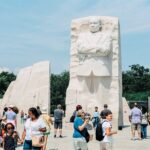
Just Added: Fresh Washington DC Reviews
- Washington : Private Custom Walking Tour With A Guide (Private)★ 3.5 · 3 reviews
- 3-Hour Small Group Memorial Tour in Washington, D.C.★ 4.0 · 3 reviews
- Washington DC Private Guided Bus Day Tour with Step Off Guide★ 5.0 · 3 reviews
- Washington, DC: The Good Liar: Brian Curry★ 5.0 · 3 reviews
- DC Monuments Walking Tour: Small Group, Big Ideas★ 5.0 · 3 reviews
- Washington DC: Library of Congress Private Tour with Tickets★ 5.0 · 3 reviews
Smithsonian & Museum Tours, side by side.
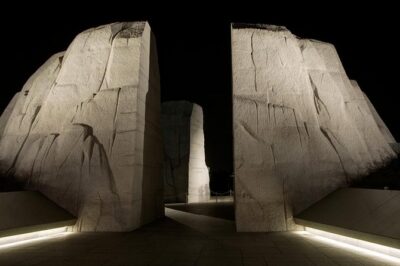 ★ 4.5Guided African American History Tour with Reserved Museum EntryFrom $891,180 reviews
 ★ 4.8Museum of the Bible General AdmissionFrom $34494 reviews
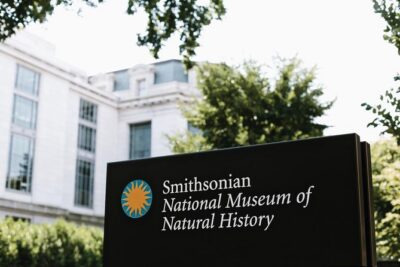 ★ 5.0Smithsonian Museum of Natural History – Exclusive Guided TourFrom $89446 reviews
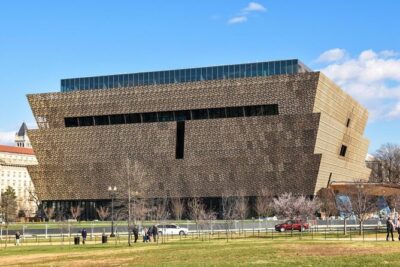 ★ 4.5African American History Tour with Museum of African American History TicketFrom $90390 reviews
 ★ 4.5National Mall Tour with 10 Stops & U.S. Capitol or Museum EntryFrom $59331 reviews
 ★ 4.9African American History Tour & Museum EntryFrom $89312 reviews
 ★ 5.0Smithsonian Museums Walking Tour with Reserved Air & Space EntryFrom $79297 reviews
 ★ 4.5Capitol Combo: U.S. Capitol + Library Congress or Capitol MuseumFrom $79294 reviews
The lists this tour appears in