
Review · BLACK WASHINGTON HERITAGE TOURS
African-American Heritage Walking Tour of U Street in DC
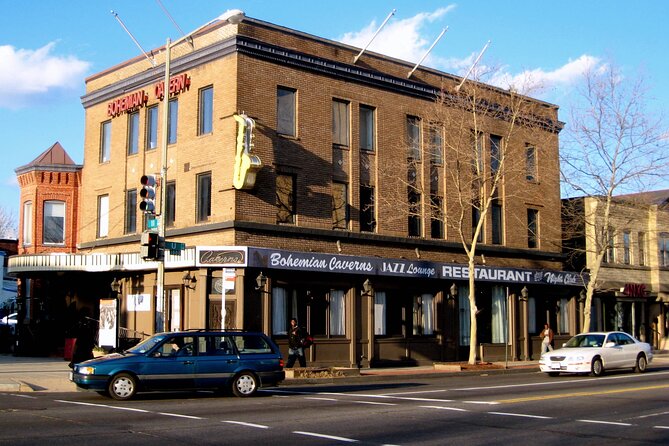
Black Broadway doesn’t feel like a museum—it’s street-level. This 2-hour evening walking tour pairs U Street storytelling with real places tied to music, theater, and the Black experience in DC. You’ll move at an easy pace and hear insider context as you go.
I especially like two things: first, the stop at the African American Civil War Memorial & Museum, where the focus stays on Black troops of the Union Army and the Wall of Honor. Second, Howard Theatre, a landmark tied to the people who were shut out of other venues but still found a stage, from early jazz era names through later artists.
One consideration: this is a weather-dependent, time-sensitive tour, and a small number of past bookings reported last-minute cancellations or guide issues. I’d plan the rest of your evening with a little flexibility, just in case.
In This Review
- Key things that make this U Street heritage walk worth it
- Why the 5:00 pm timing on U Street works
- Price and logistics: what your $90 is actually buying
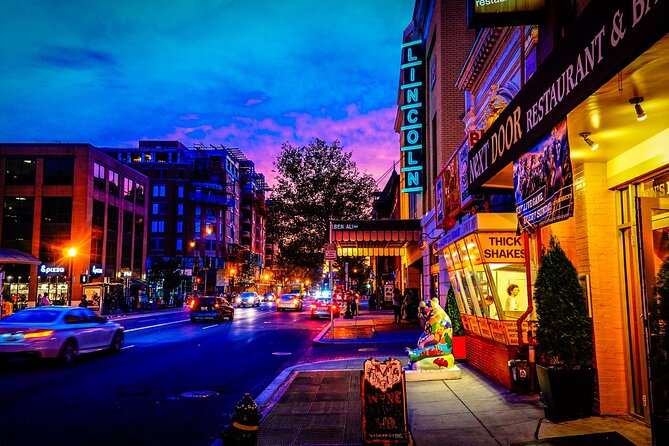
- Stop 1: U Street and the “Black Broadway” streetscape
- Stop 2: Ben’s Chili Bowl mural—public art, controversy, and DC memory
- Stop 3: The African American Civil War Memorial & Museum, and why it hits
- Stop 4: Howard Theatre—1910 roots and a stage made by necessity
- Walking pace, comfort, and what to expect on the ground
- Who this tour suits best (and who should rethink it)
- A quick reality check on reliability (based on past booking outcomes)
- Should you book this African-American Heritage U Street walking tour?
- FAQ
- How long is the African-American Heritage Walking Tour of U Street?
- What does the $90 per person price include?
- Where is the tour meeting point?
- What’s the tour start time?
- Is the tour only for English speakers?
- Are there admission fees for the stops?
- What if the tour is canceled due to weather or I need to cancel?
Key things that make this U Street heritage walk worth it
- Black Broadway on foot: you connect nightlife streets with the jazz and stage culture that made U Street famous.
- Civil War memory with specifics: USCT numbers and the Wall of Honor put names and service at the center.
- Ben’s Chili Bowl mural changes over time: public art that shifts with culture, controversy, and local artists.
- Howard Theatre as a “created space”: founded in 1910 because Black performers and audiences were excluded elsewhere.
- Small group size (max 20): easier listening and questions than bigger bus-style tours.
- Evening start at 5:00 pm: a good fit for soaking up the neighborhood vibe as daylight fades.
Black Washington told properly, more heritage walks
- Guided African American History Tour with Reserved Museum Entry
★ 4.5 · 1,180 reviews - African American History Tour with Museum of African American History Ticket
★ 4.5 · 390 reviews - Washington, DC: African American History Tour & Museum Entry
★ 4.9 · 312 reviews - Washington DC: Walking Tour and African American Museum
★ 4.6 · 157 reviews
Why the 5:00 pm timing on U Street works
U Street has a way of feeling layered. In daylight, it’s just another DC neighborhood street. At 5:00 pm, it starts to feel like the past and present are sharing the same sidewalk.
This tour leans into that timing. You’re not rushing through a list of photos. Instead, you’re walking through a corridor people once called “Black Broadway,” and you get context for what you’re seeing before you hit each stop. The evening also helps with flow: by the time you reach the museum and theater, the area feels less like a classroom and more like a living community space.
Also, the tour is built for a night-walk experience: it lasts about 2 hours, it’s on foot, and it doesn’t include transportation. That means you’ll want to be positioned near U Street already and ready to walk comfortably.
Price and logistics: what your $90 is actually buying
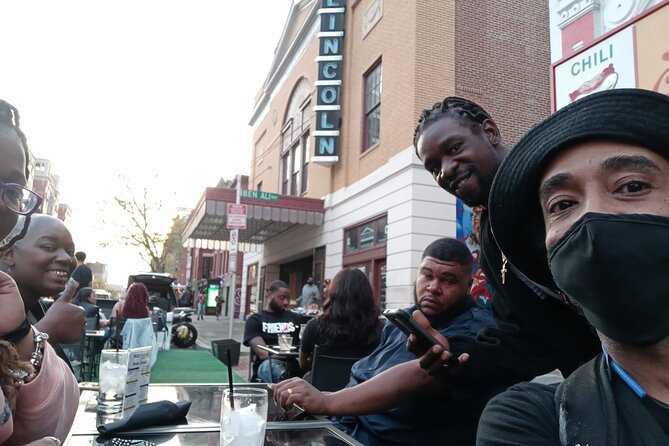
At $90 per person, you’re paying for a licensed guide and time with a tight route. The “premium” here isn’t entry fees—multiple stops are listed as Admission Ticket Free—it’s the interpretation: the stories, the connections between sites, and the ability to ask questions in real time.
Here’s how I’d think about value:
- You get a guided evening walk with multiple historically important stops clustered in one area.
- You avoid the hassle of finding context yourself for each location.
- You get a small group experience (max 20), which typically makes it easier to hear details.
Your wallet impact is also softened by the fact that food and drink aren’t included. That can be good value-wise because it keeps the tour price focused on the guide and sites, not a bundled meal you may or may not want. Just plan on covering your own snack or drink if you need one mid-walk.
One more practical note: you’ll use a mobile ticket, and the tour ends back at the meeting point near 1250 U St NW. That’s helpful for planning your night after the tour.
Stop 1: U Street and the “Black Broadway” streetscape
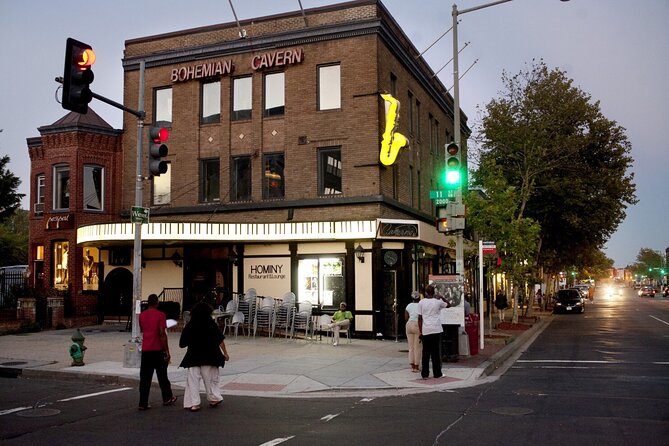
The first stretch is where the tour earns its name. You’ll start at U Street and connect the neighborhood to its role in African-American community life—especially the jazz scene and the era when music and performance drew crowds.
What I like about this kind of opening stop is that it sets a framework. Instead of treating U Street like a neutral walking path, you understand why certain theaters and clubs mattered. The tour highlights the fact that major performers were part of the story—names like Duke Ellington, Cab Calloway, Pearl Bailey, Sarah Vaughn, and Jelly Roll Morton come up in the context of the neighborhood’s stage culture.
A quick heads-up: the first stop is short on paper. That doesn’t mean it’s thin on value—it usually means the guide uses the street view to set expectations for the rest of the walk. You’re getting orientation fast, then moving on to places where the story becomes more tangible.
If you’re the type who likes to know where you are before you start taking photos, this opening works well.
Stop 2: Ben’s Chili Bowl mural—public art, controversy, and DC memory
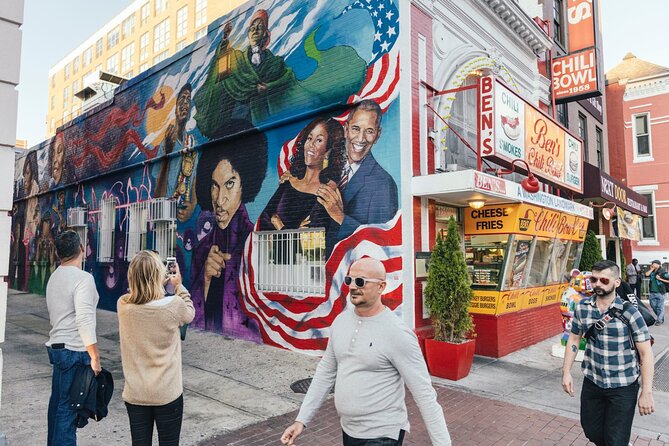
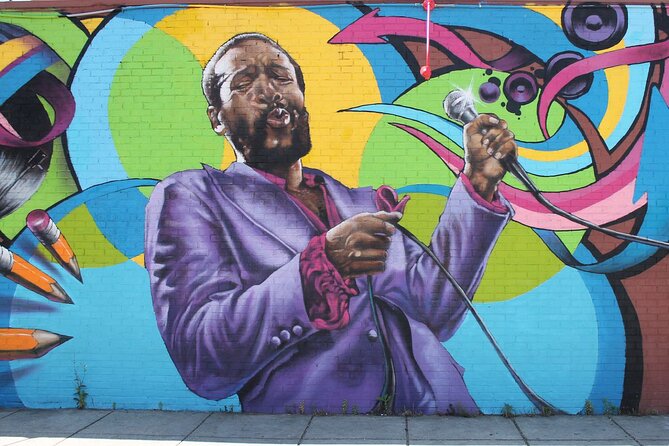
Ben’s Chili Bowl is already a big DC landmark. But this tour adds another layer: the mural that celebrates notable Black Americans on the building tied to U Street’s food-and-music culture.
One reason this stop stands out is the emphasis on change. The mural has been updated multiple times since it appeared in 2012. The tour points out how earlier versions included figures such as Bill Cosby, Barack Obama, Donnie Simpson, and Chuck Brown—and how parts were altered after later controversy around Cosby.
Then the story keeps moving. For a stretch in 2017, the mural shifted again to connect to the Washington Wizards during NBA playoffs. Later in 2017, local artist Aniekan Udofia painted the mural that stands there today.
I like this stop because it’s not just nostalgia. It shows how community memory can be negotiated in public. The site reminds you that history in DC isn’t trapped behind glass. It shows up on walls, gets debated, gets repainted, and continues to evolve with the city’s conversations.
Practical tip: you’ll likely pass a popular dining spot, so if you want Ben’s food, treat it as your own pre- or post-tour choice. The tour itself doesn’t include meals or drinks, even if the neighborhood temptation is real.
DC at walking pace, more routes

Stop 3: The African American Civil War Memorial & Museum, and why it hits
This is one of the tour’s clearest “why it matters” stops. The African American Civil War Memorial & Museum is described as the first memorial dedicated solely to Black troops who fought for the Union—and the tour doesn’t gloss over the complicated realities around them.
Here’s the core context you’ll hear:
- The tour connects the early Civil War decision to keep the Union intact with Lincoln’s actions, including the Emancipation Proclamation and the creation of regiments in the Union Army and Navy filled with Black soldiers.
- It emphasizes discrimination from two directions: vicious treatment from the opposing army and prejudice inside their own side.
- It explains scale and structure: more than 200,000 Black Americans served in the 175 regiments of the United States Colored Troops (USCT), around one-tenth of Union forces.
- It highlights a key turning point: the persistence of the Black community helped change Union policy on Black military service.
- It brings names into focus via the Wall of Honor, noting that the names of Black soldiers—and also those of white persons—are inscribed there.
That last part matters. This isn’t the kind of stop where you just learn a date. You’re oriented to sacrifice through human names and service records. For many people, that makes the stop feel heavier than expected, in a good way: it steers your attention away from vague “history themes” and toward what people actually endured.
Time-wise, this stop is about 30 minutes. That’s enough to take in the main story without turning the whole tour into a museum marathon.
If you prefer quick, meaningful learning points rather than an hour of reading, this duration is a solid fit.
Stop 4: Howard Theatre—1910 roots and a stage made by necessity
Howard Theatre is the “music and performance” anchor, and it connects to a big idea: when access was blocked, people built their own space.
The tour describes Howard Theatre as the first Black theater in America, founded in 1910 in the Shaw neighborhood. It’s also tied to Howard University nearby—this whole area grew up with the cultural energy of students, artists, and community life.
You’ll hear why it was revolutionary. At the time, Black men and women weren’t allowed into other venues in the city. So the theater was created to provide entertainment and a legitimate public stage for Black performers and audiences.
What I like here is the range of eras tied to the same place. The tour connects early musical exploration to major later names, mentioning performers that span from Louis Armstrong to Kendrick Lamar. It also explains that before the theater became widely known nationally, it already had a local reputation for:
- open-mic-style events
- battle of the band contests
That makes Howard Theatre feel less like a single “golden age” moment and more like a creative engine that kept producing opportunities.
The stop is about 30 minutes, which is enough to understand the theater’s role without you needing to sit through a show. If you’re a person who loves live music history—even if you don’t know every name—this stop gives you a clear map.
Walking pace, comfort, and what to expect on the ground
This is a walking tour with moderate physical fitness recommended. The route is short enough for most people who can comfortably walk a couple of miles at an easy pace, but it’s still outdoors in the evening. Wear shoes you can stand in and walk in. I’d also bring a light layer if you run cold at night.
Because food and drink aren’t included, plan for personal needs. You might want a small snack beforehand, especially if you tend to get hungry while learning.
Group size also affects comfort. With a maximum of 20 people, it’s usually easier for the guide to manage attention and keep the storytelling audible. If you like interaction—asking a question or hearing a short side story—that group size matters.
Who this tour suits best (and who should rethink it)
This tour is a strong match if you want:
- a guided, story-led walk through DC that connects neighborhoods to real historical events
- a focus on African-American history in Washington, D.C., tied to places you can see
- an evening activity that feels like the city is talking back to you
It’s also a good choice if you’re the type who enjoys hearing how things got their names. “Black Broadway” isn’t just a catchy label here—it’s used as a way to understand why U Street became a cultural center.
You might rethink it if:
- you’re extremely tight on time and can’t spare about 2 hours at 5:00 pm
- you’re sensitive to weather changes (the tour requires good weather)
- you need guaranteed access to everything at all times; while stops are free and set in the area, the tour experience can be affected by last-minute changes
A quick reality check on reliability (based on past booking outcomes)
Most tours run smoothly when the guide is on time and the neighborhood is open and operating. Still, one practical caution stands out from past booking experiences: some cancellations happened just hours before the start, and a few reports described guide issues.
None of this should scare you off automatically. It just means you should:
- confirm your plans the same day
- keep your evening schedule flexible
- consider having a low-effort backup plan nearby in case you’re rerouted or the tour doesn’t run as scheduled
This is exactly the kind of tour where last-minute changes matter, because there aren’t many “Plan B” options once you’ve committed to being in that place at that time.
Should you book this African-American Heritage U Street walking tour?
Yes—if your goal is an inspiring, practical evening walk that ties U Street, the Civil War memorial, and Howard Theatre into one coherent story, this is a smart use of $90.
I’d especially recommend it if you want more than a surface-level photo stop. The route is designed to connect music culture, public art, and the long arc of military service and recognition—without dragging you all over DC.
Book it if:
- you’re comfortable walking for about 2 hours in the evening
- you want local interpretation from a licensed guide
- you like history that shows up in real places, not just facts on a page
Skip it or reconsider if:
- you can’t handle schedule changes and you have a fixed plan immediately after 5:00 pm
- you don’t like guided storytelling and would rather explore sites on your own
FAQ
How long is the African-American Heritage Walking Tour of U Street?
The tour is about 2 hours.
What does the $90 per person price include?
It includes a licensed tour guide. Food and drink are not included.
Where is the tour meeting point?
The start is at 1250 U St NW, Washington, DC 20009, USA, and the tour ends back at the meeting point.
What’s the tour start time?
The tour starts at 5:00 pm.
Is the tour only for English speakers?
Yes, it’s offered in English.
Are there admission fees for the stops?
The stops listed include admission ticket free.
What if the tour is canceled due to weather or I need to cancel?
The experience requires good weather. If it’s canceled due to poor weather, you’ll be offered a different date or a full refund. You can cancel for a full refund up to 24 hours before the experience starts.
DC on Foot: More Walks






More Tour Reviews in Washington DC






Black Washington, Told Properly



Just Added: Fresh Washington DC Reviews
- Washington : Private Custom Walking Tour With A Guide (Private)★ 3.5 · 3 reviews
- 3-Hour Small Group Memorial Tour in Washington, D.C.★ 4.0 · 3 reviews
- Washington DC Private Guided Bus Day Tour with Step Off Guide★ 5.0 · 3 reviews
- Washington, DC: The Good Liar: Brian Curry★ 5.0 · 3 reviews
- DC Monuments Walking Tour: Small Group, Big Ideas★ 5.0 · 3 reviews
- Washington DC: Library of Congress Private Tour with Tickets★ 5.0 · 3 reviews
Black Washington Heritage Tours, side by side.
 ★ 4.5Guided African American History Tour with Reserved Museum EntryFrom $891,180 reviews
 ★ 4.5African American History Tour with Museum of African American History TicketFrom $90390 reviews
 ★ 4.9African American History Tour & Museum EntryFrom $89312 reviews
 ★ 4.6Walking Tour and African American MuseumFrom $80157 reviews
 ★ 4.7African American History Museum Private TourFrom $35054 reviews
 ★ 5.0Harlem Renaissance in DC Walking TourFrom $3036 reviews
 ★ 4.5Washington DC History of Slavery Walking TourFrom $4034 reviews
 ★ 4.5DC Landmarks Walking Tour + African American Museum AdmissionFrom $8034 reviews
The lists this tour appears in