
Review · SMITHSONIAN & MUSEUM TOURS
Washington DC Museums self-guided walking tour & scavenger hunt
DC museums, but make it a scavenger hunt.
This self-guided walk turns the National Mall’s biggest stops into a puzzle game, so you can set your own pace and still feel like you have a mission. I especially like that the route runs across major Smithsonian sites, and you’re working through 30+ challenges as you go. I also like the extra twist of 6 film locations, which makes familiar landmarks feel like a new scavenger-map.
What you’re really buying is structure. You start at 1500 Constitution Ave. NW and follow an east-half loop that works like an outline for seeing a lot of the Mall without needing a guide or a strict schedule.
One thing to consider: the hunt relies on phone access, and the clue flow can have typos or occasional odd directions, so you may need to use common sense if a clue seems off.
In This Review
- Key highlights worth your attention
- Price and value: $44.85 per group for a 3-hour Mall route
- What makes this hunt feel different from a typical museum visit
- Getting started: location, timing, and the one tech rule
- The east-half National Mall loop: from NMAAHC to the Washington Monument
- Stop 1: National Museum of African American History and Culture
- Stop 2: National Museum of American History
- Stop 3: Andrew W Mellon Auditorium
- Stop 4: Robert F. Kennedy Department of Justice Building
- Stop 5: National Archives Museum
- Stop 6: National Gallery of Art
- Stop 7: National Gallery of Art (second mention)
- Stop 8: Embassy of Canada to the United States
- Stop 9: Ulysses S. Grant Memorial
- Stop 10: United States Capitol
- Stop 11: The National Mall
- Stop 12: United States Botanic Garden
- Stop 13: National Museum of the American Indian
- Stop 14: Hirshhorn Museum and Sculpture Garden
- Stop 15: Smithsonian Arts + Industries Building
- Stop 16: Smithsonian Castle
- Stop 17: Washington Monument
- Pacing strategy: how to keep the hunt fun, not frustrating
- The good, the annoying, and how to handle it
- Who should book this scavenger hunt
- Should you book? My honest call
- FAQ
- Where does the self-guided tour start and end?
- How long does the Washington DC Museums self-guided walking tour take?
- How much does it cost?
- Is this a private experience?
- Do I need internet access to complete the scavenger hunt?
- What languages are available?
- What areas of the National Mall does the route cover?
- Is there a service-animal policy?
- What are the operating hours?
- Can I cancel and get a refund?
Key highlights worth your attention
- 30+ challenges keep you moving and give each stop a reason to pause
- 6 film locations add a fun layer beyond standard museum sightseeing
- A focused east-half loop that ends at the Washington Monument
- Private, group-based pricing ($44.85 per group up to 6) for a 3-hour outing
- You must have internet access to complete the activity
- English and French options, with a start time you choose
More Smithsonian halls, out of the weather
- Guided African American History Tour with Reserved Museum Entry
★ 4.5 · 1,180 reviews - Washington DC: Museum of the Bible General Admission
★ 4.8 · 494 reviews - Smithsonian Museum of Natural History – Exclusive Guided Tour
★ 5.0 · 446 reviews - African American History Tour with Museum of African American History Ticket
★ 4.5 · 390 reviews
Price and value: $44.85 per group for a 3-hour Mall route
The price is $44.85 per group (up to 6), and it’s timed at about 3 hours. That matters because the National Mall can eat your day fast: museums, wandering, snack stops, photos, and the occasional detour. This turns the whole walk into something you can actually budget.
For a small group, the value is strong. Instead of paying per person for a guided walk, you’re splitting one group cost across up to six people. That’s especially handy if you’ve got teens or mixed ages, because the format gives everyone a job: one person can read clues, another can check landmarks, and you can all stay engaged while still taking breaks.
What makes this hunt feel different from a typical museum visit
This isn’t a checklist tour where you rush from one building to the next. You’ll follow an east-half route that links many of the Mall’s key stops, and the puzzles give you a rhythm. Even if you’re not the type to memorize dates and plaques, the game pushes you to look closely at what’s in front of you.
The self-guided style is practical for real life. You can stop at a museum entrance, take a few minutes, then keep moving when your group is ready. It’s also easier to handle bathrooms, a quick snack, or a photo line when you’re not waiting for someone else’s schedule.
And for the parts that feel less like museums—memorials, buildings, outdoor landmarks—the clues help you notice details you might otherwise walk past.
Getting started: location, timing, and the one tech rule
You begin at 1500 Constitution Ave. NW, Washington, DC 20004, and the activity ends back at the meeting point. It’s offered in English, and the site also lists French availability.
You’ll want to plan for a clear start window. The activity runs with hours that depend on the date range, including longer hours on most weekdays (listed as 8:00 AM–8:00 PM for Monday–Friday) and slightly reduced timing in other periods (listed as 7:00 AM–7:00 PM for Monday–Sunday in 2026). If you’re traveling in peak season, I’d book a slot early since the average booking window listed is about 22 days.
Here’s the biggest practical rule: internet access is required to complete the activity. Wi‑Fi isn’t included. I’d come prepared with a data plan or a reliable way to get online for the whole walk, not just at the beginning.
The east-half National Mall loop: from NMAAHC to the Washington Monument
This route is designed to take you from the National Museum of African American History and Culture area across the Mall’s east side and onward through many of the Smithsonian buildings. You’ll loop around the front of the Capitol Building and pass the United States Botanic Garden area, then keep going until you reach the Washington Monument.
Think of it like this: Smithsonian-heavy early on, art and landmarks in the middle, then the remaining Smithsonian sites and memorial finish.
Below is what the route feels like stop by stop, and what to watch for while you solve clues.
DC at walking pace, more routes


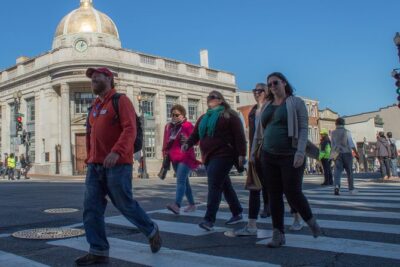
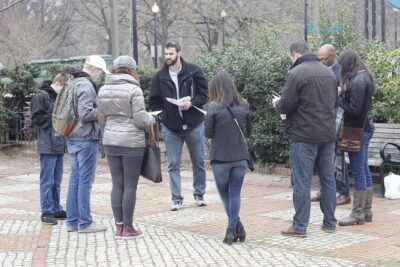
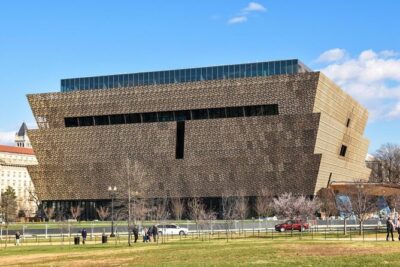
Stop 1: National Museum of African American History and Culture
This is the anchor start. It’s a strong “reset” point because it makes the entire walk feel meaningful, not just scenic. For the scavenger hunt, it gives you a big, obvious starting place where you can get oriented before the puzzle momentum kicks in.
If your group is new to the Mall, this also helps. You’re beginning at a museum people recognize right away, which makes it easier to trust your bearings when the route expands.
Stop 2: National Museum of American History
This stop shifts your focus toward everyday stories and national themes. While you’re working through the clues, pause at the building area and look for what the puzzle is pointing you toward rather than treating it like a fast pass.
A small drawback: if you’re freezing, you may want to keep your indoor time short and just use the exterior clues to move you along. The route can involve enough outdoor walking that weather matters.
Stop 3: Andrew W Mellon Auditorium
This is one of those “you’re in DC” architectural moments. It’s not a Smithsonian museum stop like the others, but it breaks up the heavy museum sequence so your feet and brain get a change of pace.
For puzzle solving, these kinds of landmarks are useful because they’re distinct. You’re more likely to spot what the clue is asking you to find.
Stop 4: Robert F. Kennedy Department of Justice Building
This area keeps the route moving through major institutions without turning it into a dead-simple sidewalk stroll. The benefit is variety: you’re not only looking at museums; you’re also walking through the civic grid that shapes DC.
If a clue seems too picky, use the landmark’s overall shape and surroundings to stay calm. Don’t overthink it if you can’t find one tiny detail right away.
Stop 5: National Archives Museum
You’re walking into a national-significance zone, which is exactly where a scavenger hunt works well. The puzzles push you to slow down and actually look, even if you’re not a “museum planner.”
If your group wants a deeper museum experience, you might carve out a little extra time here. Just remember you’re on a puzzle route, so don’t let one stop steal the entire trip unless you’re okay finishing a bit later.
Stop 6: National Gallery of Art
At this point, the hunt turns more arts-forward. This stop pairs well with the film-location twist, because it helps you connect the idea of culture with the sights you’re seeing.
The main consideration is that art buildings can inspire a lot of standing, reading, and photographing. Your best move is to work the clue first, then decide if you want extra time.
Stop 7: National Gallery of Art (second mention)
It’s listed twice, which usually means you’ll interact with it in more than one way—either the clue route uses the area again, or the hunt returns you for another challenge. Either way, it’s a chance to double-check what you may have missed the first time.
If you end up slightly out of sync, coming back for another attempt can help you get the route back on track.
Stop 8: Embassy of Canada to the United States
This stop adds a diplomatic angle to the walk. It’s a nice change of scenery from the big Smithsonian clusters, and it gives the hunt variety.
If you’re solving with kids or teens, this is the kind of clue stop that keeps things from feeling monotonous.
Stop 9: Ulysses S. Grant Memorial
Memorial time. Outdoor statues and monuments can be great for scavenger hunts because the targets are obvious, even from farther away.
Keep an eye on how your group is doing: this is where the hunt can either feel like fun exploration or like a race. If you notice tension, slow down here and let the group actually look.
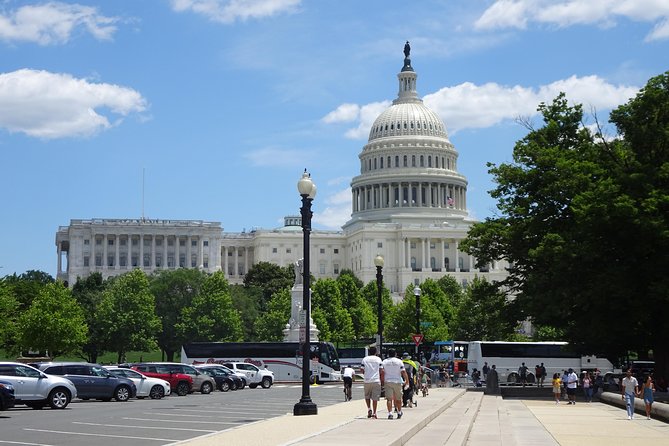
Stop 10: United States Capitol
This is a big moment on the route. You’ll loop around the front area, and the hunt makes sure you notice the building as more than just a photo backdrop.
One practical note: puzzles can sometimes point you in directions that feel confusing if you’re not used to city layouts. If your clue seems to send you the wrong way, step back, orient yourself, and continue toward the next major landmark. The loop is designed to bring you back into flow.
Stop 11: The National Mall
This is where the route reminds you what you came for: the open space that links everything. The scavenger hunt uses the Mall itself as a working board, not just a corridor.
I like these bigger open segments because they help you reset your pace. Take a breather, drink water, and get your eyes back on what’s next.
Stop 12: United States Botanic Garden
This is a great contrast stop. It breaks the Smithsonian-only mindset, and it gives you a more landscaped-feeling pause as the walk continues.
For puzzle solving, gardens and adjacent spaces often have multiple visual anchors. That can be helpful if your clue gives you something like a landmark name, because you can match the clue to what you see around you.
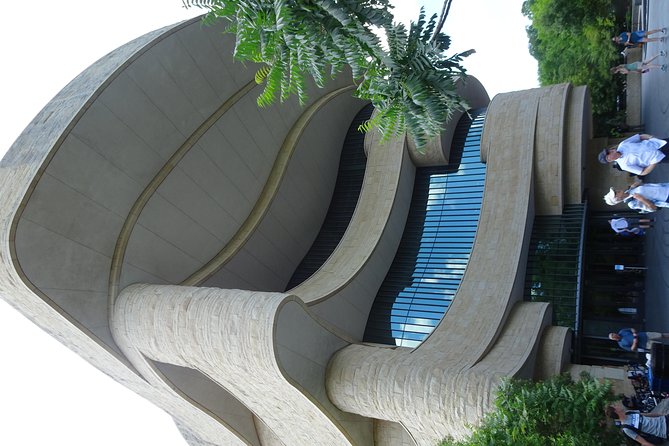
Stop 13: National Museum of the American Indian
This is another standout Smithsonian. It’s a strong stop for people who want meaning, not just architecture or outdoor walking.
From a scavenger-hunt perspective, it’s also a good “stay alert” location. The clues keep you focused on details, and the environment makes it easier to justify slowing down.
Stop 14: Hirshhorn Museum and Sculpture Garden
This stop leans more modern and outdoors as you work through the sculpture garden space. If your group likes photo challenges, this is likely to land well.
The only drawback I’d watch for is time management. Sculpture areas can be slow because people want to stop and look. If you’re working against cold weather, do the clue quickly, then decide how long you want to linger.
Stop 15: Smithsonian Arts + Industries Building
This is a “classic DC” Smithsonian-feeling stop. The hunt here helps you connect the building to the wider museum system you’re walking through.
If your group is getting tired, this is a good place to split tasks—one person handles clue reading, another checks the surroundings, and the rest just follow the momentum.
Stop 16: Smithsonian Castle
This is an iconic reference point on the Mall, and that helps the hunt. When you can visually recognize a place, your puzzle solving gets easier.
I like that this stop makes the route feel like it’s closing in on the finish. The Castle area is where many people start thinking about the endgame.
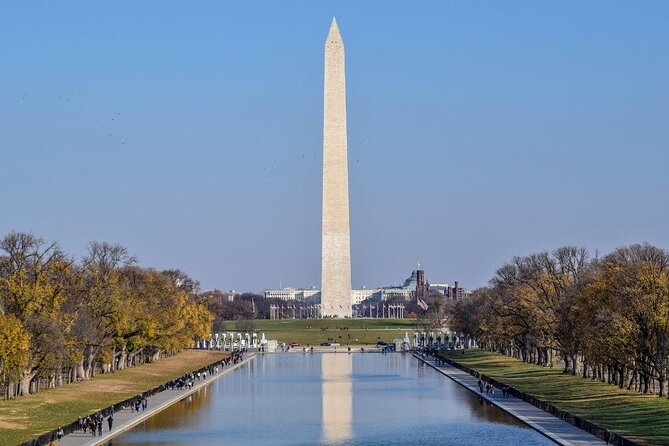
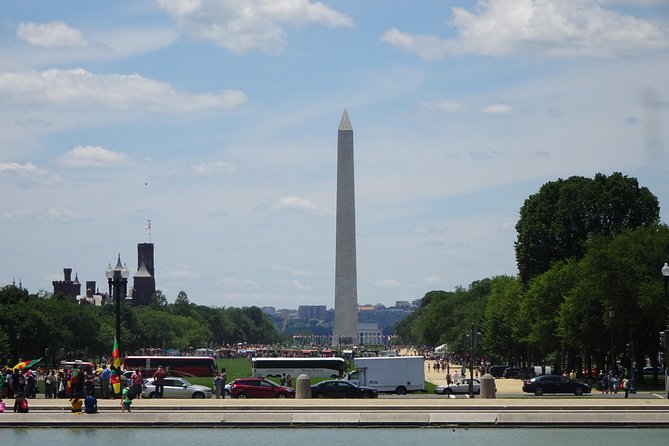
Stop 17: Washington Monument
Final stop. After walking through museums, memorials, and institutions, the Washington Monument is a clean payoff—big view, big finish.
This ending is smart for a scavenger hunt because it gives you a natural “we did it” moment. Even if you didn’t crack every clue perfectly, you still arrive at the most recognizable Mall landmark and wrap the experience with a strong visual anchor.
Pacing strategy: how to keep the hunt fun, not frustrating

A scavenger hunt on the National Mall can swing either way depending on your group energy. If you want it to feel like an adventure, not a homework assignment, treat the puzzles as the thread, not the entire meal.
If you’re walking with teens, the format tends to work best when you let them lead. Give them the clue-reading role and encourage quick teamwork. One thing I’m glad about here is that the route is designed to keep you moving between major sights, so nobody gets stuck in a long, boring stretch.
And if you get off track: don’t panic. This is a loop through recognizable points. Re-orient toward the next major stop rather than trying to force the exact clue route on foot when it feels wrong.
The good, the annoying, and how to handle it
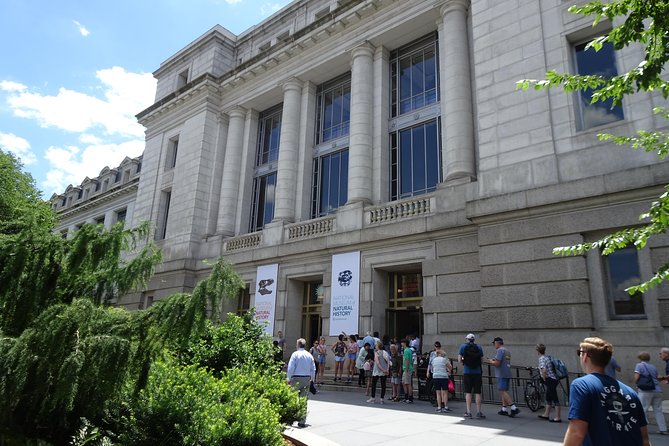
The hunt shines when you want engagement. One of the best signs this works is the way it keeps a young person’s attention on the walk—short challenges, lots of stops, and a game-like feeling that makes the Mall less intimidating.
The main annoyance to plan for is that clue accuracy isn’t always perfect. You might run into typos and even small confusion in wording, and occasionally a clue can feel like it’s pointing you the wrong way. That doesn’t kill the experience, but it does change how you should approach it.
If a clue seems off, use a simple rule:
- Check the obvious landmark first
- Use common sense for direction
- Move toward the next big stop listed in the route
Also, if you hit a wall, there is a phone support option described for questions, and the help tends to be responsive. That’s a relief when you’re standing outside in cold weather and don’t want the whole outing to stall.
Who should book this scavenger hunt
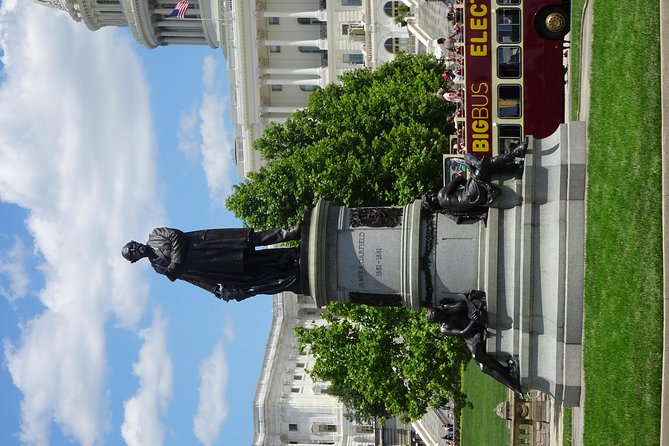
This is a great fit if you want to see a lot of the National Mall without hiring a guide for every minute. I’d especially recommend it for groups that include teens, because the puzzle format keeps them actively involved rather than turning sightseeing into passive listening.
It also suits you if you like the idea of a self-paced loop. You can choose your start date and time, and you don’t have to follow someone else’s pace.
If you’re very new to DC, keep expectations realistic. The clues may feel more direct for people who recognize landmarks quickly. In that case, you’ll probably want to slow down, read carefully, and be okay with the fact that you might not finish every puzzle flawlessly before the time window ends.
Should you book? My honest call
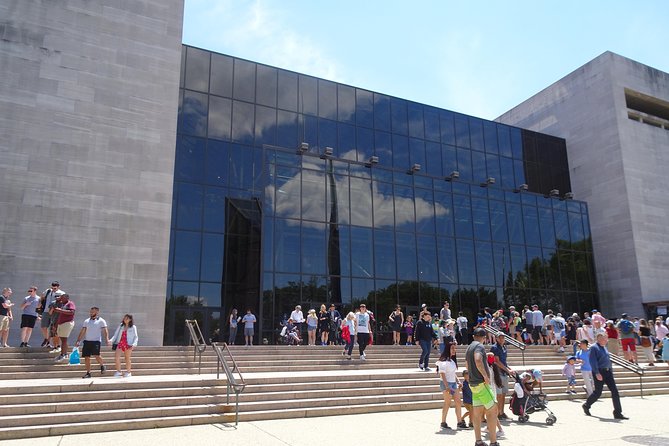
Book it if you want the National Mall to feel like a game with a clear route and a strong finish at the Washington Monument. The value is solid for up to six people, and the combination of 30+ challenges plus film locations makes the walk more memorable than a plain museum stroll.
Skip or reconsider if you hate tech-dependent activities or you know you won’t have internet access during the walk. Also reconsider if your group needs perfect clue accuracy and crisp directions, because this hunt can include small errors that you’ll need to calmly work around.
If you’re okay treating a few quirky clues as part of the adventure, this is one of the more engaging ways to cover the Mall’s big hitters in a half-day-style outing.
FAQ
Where does the self-guided tour start and end?
You start at 1500 Constitution Ave. NW, Washington, DC 20004, USA, and the activity ends back at the meeting point.
How long does the Washington DC Museums self-guided walking tour take?
The duration is about 3 hours.
How much does it cost?
It costs $44.85 per group, and the group size can be up to 6.
Is this a private experience?
Yes. It’s listed as a private tour/activity, so only your group participates.
Do I need internet access to complete the scavenger hunt?
Yes. Internet access is required to complete the activity, and Wi‑Fi is not included.
What languages are available?
The activity is available in English and French.
What areas of the National Mall does the route cover?
The route covers the east half of the National Mall, starting near the National Museum of African American History and Culture and ending at the Washington Monument.
Is there a service-animal policy?
Yes. Service animals are allowed.
What are the operating hours?
Hours vary by the date range shown: Monday–Friday 8:00 AM–8:00 PM (listed for 08/13/2019–12/31/2025) and Monday–Sunday 7:00 AM–7:00 PM (listed for 01/01/2026–12/31/2026).
Can I cancel and get a refund?
Yes. You can cancel for a full refund up to 24 hours in advance. If you cancel less than 24 hours before the start time, the amount paid is not refunded.
DC on Foot: More Walks






More Tour Reviews in Washington DC






More Smithsonian Halls



Just Added: Fresh Washington DC Reviews
- Washington : Private Custom Walking Tour With A Guide (Private)★ 3.5 · 3 reviews
- 3-Hour Small Group Memorial Tour in Washington, D.C.★ 4.0 · 3 reviews
- Washington DC Private Guided Bus Day Tour with Step Off Guide★ 5.0 · 3 reviews
- Washington, DC: The Good Liar: Brian Curry★ 5.0 · 3 reviews
- DC Monuments Walking Tour: Small Group, Big Ideas★ 5.0 · 3 reviews
- Washington DC: Library of Congress Private Tour with Tickets★ 5.0 · 3 reviews
Smithsonian & Museum Tours, side by side.
 ★ 4.5Guided African American History Tour with Reserved Museum EntryFrom $891,180 reviews
 ★ 4.8Museum of the Bible General AdmissionFrom $34494 reviews
 ★ 5.0Smithsonian Museum of Natural History – Exclusive Guided TourFrom $89446 reviews
 ★ 4.5African American History Tour with Museum of African American History TicketFrom $90390 reviews
 ★ 4.5National Mall Tour with 10 Stops & U.S. Capitol or Museum EntryFrom $59331 reviews
 ★ 4.9African American History Tour & Museum EntryFrom $89312 reviews
 ★ 5.0Smithsonian Museums Walking Tour with Reserved Air & Space EntryFrom $79297 reviews
 ★ 4.5Capitol Combo: U.S. Capitol + Library Congress or Capitol MuseumFrom $79294 reviews
The lists this tour appears in