
Review · SMITHSONIAN & MUSEUM TOURS
Smithsonian Natural History Museum Semi-Private Guided Tour
Dinosaurs and jewels, with a real guide plan. This semi-private tour (6 guests or fewer) is a smart way to see the Smithsonian Natural History Museum’s biggest hits without getting lost, and I especially like the combination of iconic displays like the Hope Diamond and the hands-on-feeling fossil-lab stops where you get context, not just facts. The only real catch: it’s about 2 hours, so it’s more focused highlight reel than a slow museum stroll.
I also like that you start with a quick plan at Unscripted’s welcome center, then move through the museum with a guide who keeps the pacing working for you (bottled water is included). At $129 per person, it’s not the cheapest ticket in town, but for a small group it can be good value if you want maximum payoff fast and don’t want to waste time guessing what to see first.
In This Review
- Key highlights to look for
- Getting oriented at Unscripted before the Smithsonian crush
- Unscripted Welcome Center: a quick plan that saves time
- Inside the Smithsonian: Hope Diamond, Capitol stones, and the big-story approach
- The Hope Diamond: more than a shiny stop
- Original US Capitol stones: history you can actually see
- The museum’s fossil lab: where science takes the lead
- Henry the Elephant: a playful anchor point in a science-heavy museum
- T-Rex time: seeing the largest complete fossil
- The Last American Dinosaurs + real fossil work
- Gems, crystals, and the museum’s mystery thread
- Archaeology and bones: when human and animal history connect
- Price and logistics: is $129 worth 2 hours?
- Who this Smithsonian semi-private tour suits best
- Should you book this Smithsonian semi-private tour?
- FAQ
- How long is the Smithsonian Natural History Museum semi-private guided tour?
- What is the price per person?
- What group size should I expect?
- Where do I meet the guide?
- Where does the tour end?
- What’s included in the tour?
- What kind of ticket will I use?
- Is free cancellation available?
- Are service animals allowed?
- Is there a minimum fitness level requirement?
Key highlights to look for
- Semi-private group size (up to 6) means less crowd friction and more time for questions
- Fossil lab access + scientists working on real fossils gives you a behind-the-scenes look
- Hope Diamond and other star attractions are paired with interpretation, not just visuals
- Henry the Elephant adds a fun, human-scale stop that breaks up the big-specimen intensity
- Archaeology and bones-on-display areas help the museum feel connected, not like separate exhibits
More Smithsonian halls, out of the weather
- Guided African American History Tour with Reserved Museum Entry
★ 4.5 · 1,180 reviews - Washington DC: Museum of the Bible General Admission
★ 4.8 · 494 reviews - Smithsonian Museum of Natural History – Exclusive Guided Tour
★ 5.0 · 446 reviews - African American History Tour with Museum of African American History Ticket
★ 4.5 · 390 reviews
Getting oriented at Unscripted before the Smithsonian crush
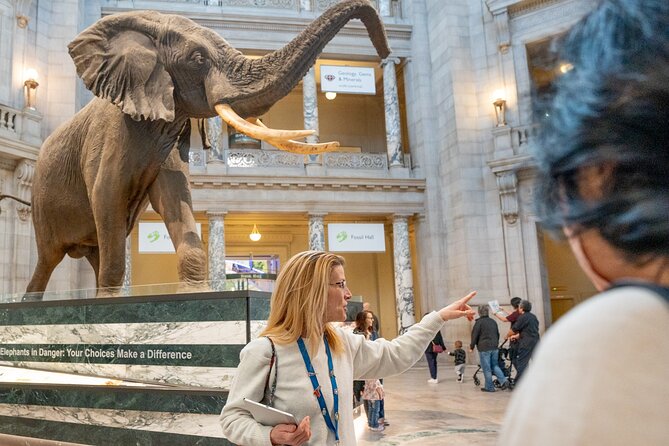
This tour works because it starts by getting you ready, not by throwing you into a giant museum maze. You meet at Unscripted by Guided Tours at 400 7th St NW #102, Washington, DC 20004. That “pre-game” moment matters at the Smithsonian because lines, room layouts, and crowd flow can make a self-guided visit feel like a scavenger hunt.
With a small group, you tend to move more cleanly through the building. You’re not stuck behind a large bus crowd, and you can usually hear what the guide is explaining. You’ll also feel the difference immediately in how the guide helps you pick the right path and decide what to look at first.
And if you’re the type who likes to understand what you’re seeing, this is a good format. You’re not just staring at labels. You’re getting the why behind the showpieces, and that makes the museum’s variety click.
Unscripted Welcome Center: a quick plan that saves time
The first stop is short—about 10 minutes—and that’s exactly what you want. You’ll meet your guide at the Unscripted Welcome Center and talk through the tour before heading into the museum.
This is the part I find most practical. A guide can help you set expectations for pacing and priorities, especially with a museum as large as this one. If you have interests—dinosaurs, gems and crystals, archaeology, or science-in-action—you’ll be in a better position to get what you came for.
Also, the format supports different comfort levels. The tour guidance notes a moderate physical fitness level, which makes sense for moving through exhibit halls and standing at displays for explanations. It’s not a mountain climb, but it’s not a sit-down lecture either.
Inside the Smithsonian: Hope Diamond, Capitol stones, and the big-story approach
Once you reach the Smithsonian National Museum of Natural History, the tour settles into a “big hits with meaning” rhythm. Your highlights include the famed Hope Diamond, original stones from the US Capitol, and the museum’s fossil lab and The Last American Dinosaurs exhibit.
The Hope Diamond: more than a shiny stop
The Hope Diamond is the kind of object that draws people in instantly—but without context, it can become only a photo moment. With a guide, you get the chance to understand why this stone is famous and what makes it important in the museum story. That turns a quick glance into a real stop.
Deeper into the capital past

Original US Capitol stones: history you can actually see
Seeing original stones from the US Capitol is a smart pairing with the gem-focused experience. It helps you connect the idea of “natural materials” to “real-world uses.” If you like when museum objects relate to the city you’re standing in, this is one of the stronger threads in the tour.
The museum’s fossil lab: where science takes the lead
The fossil lab stop is where the tour feels most alive. You’re not just looking at finished specimens; you see scientists working on real fossils. That shift matters because it changes your mindset from seeing fossils as final products to understanding them as evidence that researchers are still processing.
If you’ve ever wondered how an exhibit ends up in a museum, this is the closest thing you get in a highlights tour: you see the workflow in motion, even if it’s for short periods.
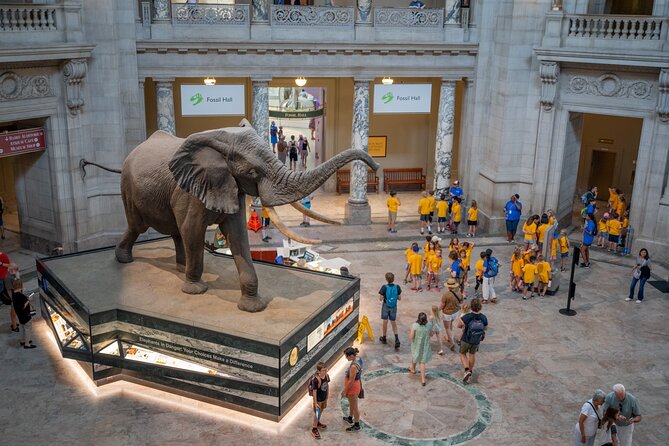
Henry the Elephant: a playful anchor point in a science-heavy museum

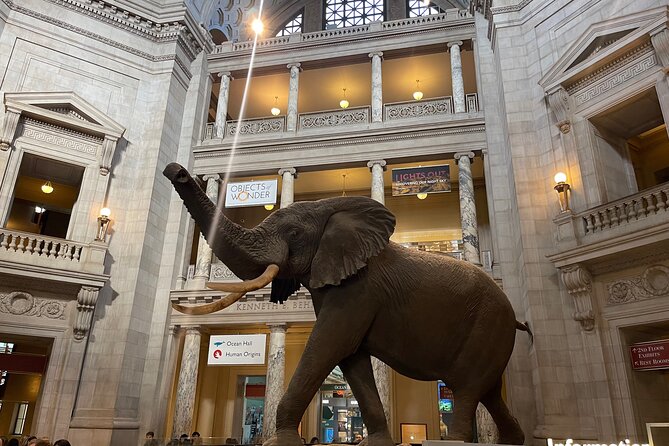
One of the tour’s joys is how it uses variety to keep you from burning out on only one theme. You’ll meet Henry the Elephant, which is a great “reset” stop. It gives you a different emotional entry point than diamonds and dinosaurs.
I like these types of anchor exhibits because they break the pattern. After a couple of heavy science displays, Henry gives you a moment that feels lighter and more memorable. It also helps the museum feel like a place with personalities, not just a warehouse of objects.
When you’re on a 2-hour schedule, those well-timed shifts help you remember more clearly what you saw and why.
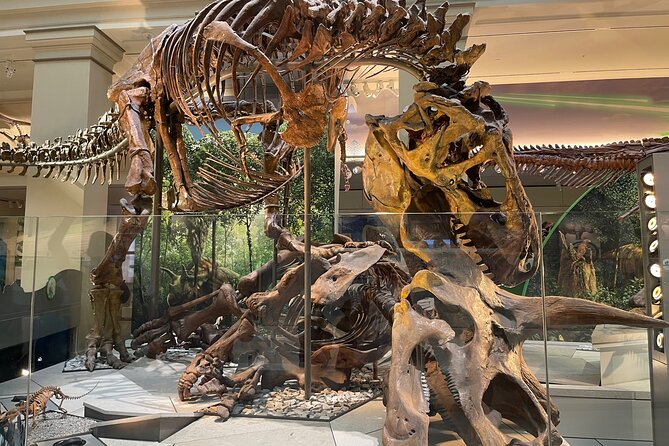
T-Rex time: seeing the largest complete fossil
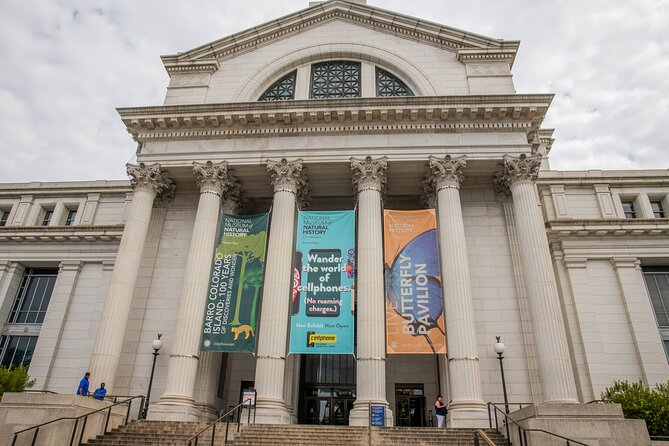
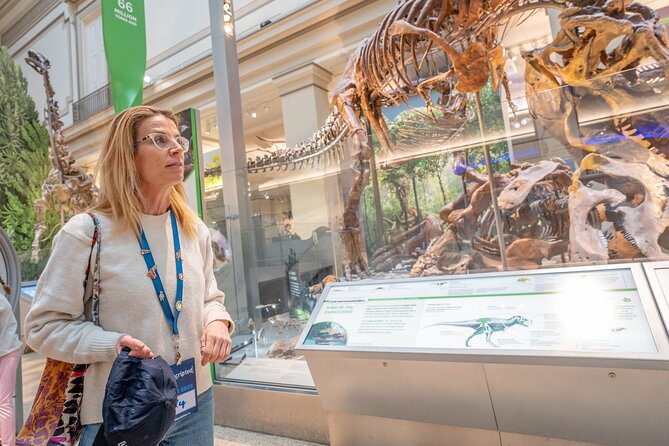
Another major draw is the largest complete T-Rex fossil found in the United States. This is one of those displays where scale is everything. A good guide helps you “read” the specimen—where to look, what details matter, and how the museum presents it as part of a bigger story about paleontology.
In practical terms, this is where a guided stop pays off. If you just walk in on your own, you’ll spend time figuring out viewing angles and crowd flow. With a guide, you tend to get to the best viewing experience faster and with better context.
It’s also a display that tends to generate questions. When you get a chance to ask, you usually end up learning something beyond the basic headline—how scientists interpret the fossil and what it suggests about the animal’s life.
The Last American Dinosaurs + real fossil work
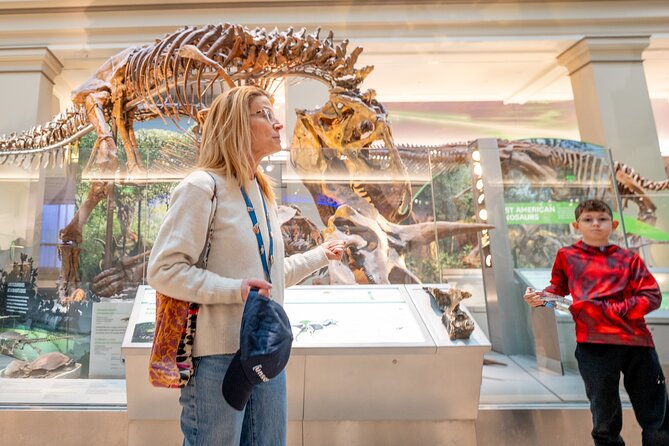
The tour includes The Last American Dinosaurs exhibit, and it’s paired with the fossil lab, which is a clever way to connect finished exhibits with ongoing research.
The Last American Dinosaurs is where the museum’s dinosaur story starts to feel specific. You stop thinking only about famous names and start thinking about what scientists are trying to reconstruct—who lived here, what evidence they use, and how paleontology translates into real exhibits.
Then the fossil lab adds the missing link. Seeing scientists working on real fossils gives you a reality check: museum displays don’t appear out of thin air. They’re the result of careful work, and that process influences what the public ultimately sees.
If you like museums that show their thinking, not just their collections, this combo is a strong reason to book.
Gems, crystals, and the museum’s mystery thread
One part of the experience that gets high praise is the gem and crystal focus. You’ll see the famed Hope Diamond, and the tour also highlights other stone features tied to the museum’s materials and science side.
That gem-and-crystal angle can be surprisingly educational, especially when paired with the museum’s broader geology and research presence. You begin to see stones as more than pretty objects. They’re evidence of how the natural world formed—and how humans learned to recognize and work with those materials.
The tour also includes an explanation of the oldest unsolved mystery in history. You won’t get a tidy “case closed” ending on a museum tour, but you will get a framing of what makes the mystery stick around and why it still matters. It’s a fun reminder that science and history aren’t always neat.
Archaeology and bones: when human and animal history connect
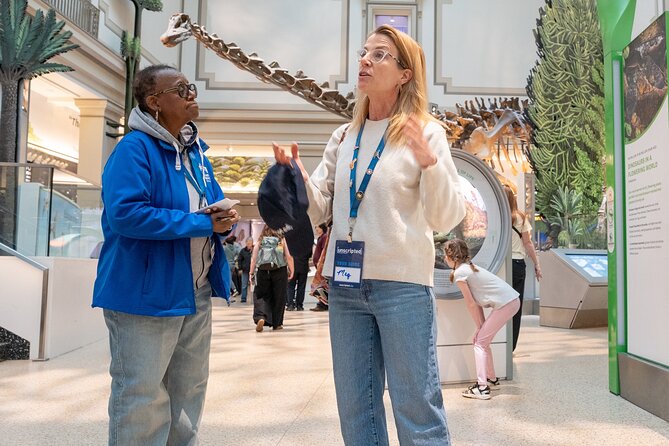
Another highly rated element is the archaeological-style areas that show work areas and bones, featuring human and animal history. This is a detail that changes the emotional texture of the tour.
Instead of treating dinosaurs as the only drama, you get a broader sense that the museum is working across time—human history and animal history, plus the evidence used to tell each story. Seeing the “bones showing” and the work areas makes the process feel more tangible and less like distant academic talk.
It’s also a good payoff if you’re traveling with kids or anyone who gets bored when exhibits stay too compartmentalized. The tour’s variety helps keep attention.
Price and logistics: is $129 worth 2 hours?
At $129 per person for about 2 hours, you’re paying for three things: a guide, a small group (up to 6), and a planned route through the museum’s most memorable stops.
For value, here’s how I’d judge it:
- If you would otherwise spend time choosing what to see, paying for the guide is easier to justify.
- If you want the fossil lab element and interpretation around major objects, this is a good way to get it without building a day-long itinerary.
- If you prefer deep, slow wandering, you might feel the time pressure.
The tour also includes bottled water, and you’ll use a mobile ticket. Booking tends to happen about 50 days in advance on average, so if you want a specific date, don’t wait until the last minute.
There’s also a practical scheduling rhythm: you meet at Unscripted, then end at the museum near 10th St and Constitution Ave NW (by the Smithsonian National Museum of Natural History). That’s convenient because it leaves you already in the right area for additional sightseeing.
Who this Smithsonian semi-private tour suits best
This works best for people who want a focused plan and care about getting context. It’s a great fit if you like:
- Major highlights paired with explanations (not just photos)
- Fossils with a science-in-action angle
- A smaller group experience inside a big national museum
It may be less ideal if you want to control every minute, because the whole point of the tour is a guided route with set stops. You’ll also want to be comfortable with moderate walking and standing.
Should you book this Smithsonian semi-private tour?
Yes—if your goal is to see the Smithsonian Natural History Museum’s greatest hits in a tight window and come away understanding what you saw. The strongest reasons to book are the small-group size, the combination of star attractions (like the Hope Diamond and the major T-Rex display) with the fossil lab where scientists work, and the way the tour includes variety like Henry the Elephant and the archaeological-style bones areas.
If you’re the type who loves planning your own path and spending half a day in quiet corners, you might do fine on your own. But if you’re short on time, don’t want to guess, and want the museum to feel organized and meaningful, this is a solid choice.
FAQ
How long is the Smithsonian Natural History Museum semi-private guided tour?
It runs about 2 hours (approx.).
What is the price per person?
The price is $129.00 per person.
What group size should I expect?
The tour has a maximum of 6 travelers, making it semi-private.
Where do I meet the guide?
You meet at Unscripted by Guided Tours DC at 400 7th St NW #102, Washington, DC 20004.
Where does the tour end?
The tour ends at the Smithsonian National Museum of Natural History at 10th St. & Constitution Ave. NW, Washington, DC 20560.
What’s included in the tour?
Bottled water is included.
What kind of ticket will I use?
You’ll receive a mobile ticket.
Is free cancellation available?
Yes. You can cancel up to 24 hours in advance for a full refund.
Are service animals allowed?
Yes, service animals are allowed.
Is there a minimum fitness level requirement?
The tour notes a moderate physical fitness level.
The Capital Past, Up Close
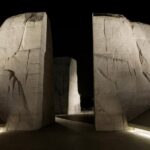





More Tour Reviews in Washington DC






More Smithsonian Halls


Just Added: Fresh Washington DC Reviews
- Washington : Private Custom Walking Tour With A Guide (Private)★ 3.5 · 3 reviews
- 3-Hour Small Group Memorial Tour in Washington, D.C.★ 4.0 · 3 reviews
- Washington DC Private Guided Bus Day Tour with Step Off Guide★ 5.0 · 3 reviews
- Washington, DC: The Good Liar: Brian Curry★ 5.0 · 3 reviews
- DC Monuments Walking Tour: Small Group, Big Ideas★ 5.0 · 3 reviews
- Washington DC: Library of Congress Private Tour with Tickets★ 5.0 · 3 reviews
Smithsonian & Museum Tours, side by side.
 ★ 4.5Guided African American History Tour with Reserved Museum EntryFrom $891,180 reviews
 ★ 4.8Museum of the Bible General AdmissionFrom $34494 reviews
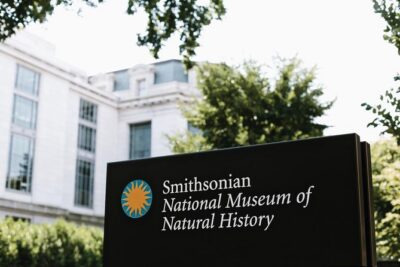 ★ 5.0Smithsonian Museum of Natural History – Exclusive Guided TourFrom $89446 reviews
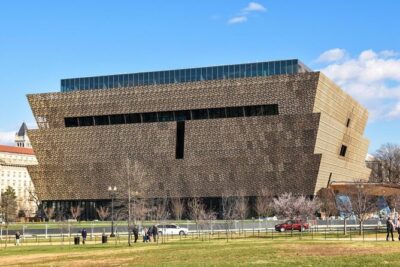 ★ 4.5African American History Tour with Museum of African American History TicketFrom $90390 reviews
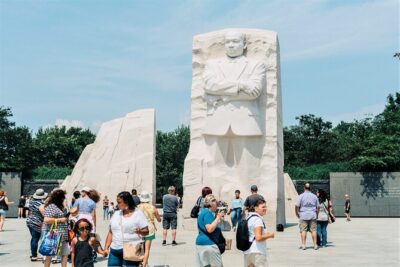 ★ 4.5National Mall Tour with 10 Stops & U.S. Capitol or Museum EntryFrom $59331 reviews
 ★ 4.9African American History Tour & Museum EntryFrom $89312 reviews
 ★ 5.0Smithsonian Museums Walking Tour with Reserved Air & Space EntryFrom $79297 reviews
 ★ 4.5Capitol Combo: U.S. Capitol + Library Congress or Capitol MuseumFrom $79294 reviews
The lists this tour appears in