
Review · SMITHSONIAN & MUSEUM TOURS
Smithsonian Natural History + American History – Exclusive Tour
You could easily lose a whole day in the Smithsonian. This exclusive combo tour strings two world-famous museums together with a guide route that gets you to the big-ticket objects without the endless wandering.
I like that you get focused time in both the Natural History Museum and the American History Museum, with a planned break so your brain stays switched on. I also love that the tone is practical and human, and you’ll hear stories from guides like Rebecca, Brenda, Stephen Mead, Donna, Richard Robinson, and Meghan Hanson, each bringing a different way to explain what you’re seeing.
One thing to consider: this is built around major highlights. If you want your day tailored heavily toward a niche topic (for example, architecture or a very specific kid interest), make sure you say that early so the guide can steer the pacing.
In This Review
- Key things I’d bet on before you go
- Two Smithsonian museums, one guided route (and why it feels like time travel)
- Stop 1: Smithsonian Natural History Museum highlights (Henry, Hope Diamond, Fossil Hall)
- Stop 2: American History Museum artifacts that explain who Americans think they are
- Why an exclusive guide keeps DC’s biggest museums from overwhelming you
- Timing, lunch break pacing, and what to wear inside
- Security lines, occasional closures, and the reality of DC museum days
- Price and value: what $166.15 buys you in guided museum time
- Who this tour suits best in Washington DC
- Should you book this tour or DIY it?
- FAQ
- Which museums are included in the Smithsonian combo tour?
- How long is the tour, and when does it start?
- Is admission included?
- Where do we meet and where does the tour end?
- Does the tour include hotel pickup or drop-off?
- Is this tour wheelchair friendly?
- What is the cancellation policy for a full refund?
Key things I’d bet on before you go
- A tight highlight route through two giant museums without trying to DIY the whole day
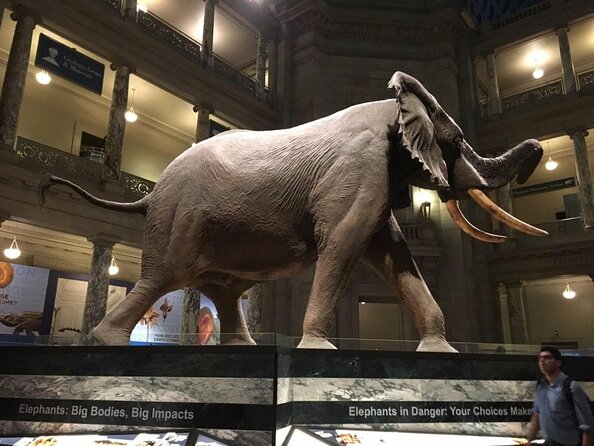
- Henry the elephant, the Hope Diamond, and Fossil Hall as anchor stops at Natural History
- First Ladies + Star-Spangled Banner (plus Dorothy’s ruby slippers and more) at American History
- Exclusive guide time for your group, which matters in busy DC museum halls
- Lunch break included so you don’t finish half-starved and cranky
- Security and bag rules can shape your speed, so plan to travel light
More Smithsonian halls, out of the weather
- Guided African American History Tour with Reserved Museum Entry
★ 4.5 · 1,180 reviews - Washington DC: Museum of the Bible General Admission
★ 4.8 · 494 reviews - Smithsonian Museum of Natural History – Exclusive Guided Tour
★ 5.0 · 446 reviews - African American History Tour with Museum of African American History Ticket
★ 4.5 · 390 reviews
Two Smithsonian museums, one guided route (and why it feels like time travel)
Washington DC has a way of turning “just museums” into a full-day maze. This tour makes it manageable by covering two top Smithsonian sites in about 5.5 hours, with your guide doing the heavy lifting: picking the order, pointing out the objects that matter most, and keeping you moving at a pace that still feels relaxed.
You’ll start with Natural History’s biggest crowd magnets, then shift to American History’s identity-and-memory stories. It’s a smart way to see the Smithsonian’s range, from fossils and gems to the artifacts that shaped the country’s self-image.
Stop 1: Smithsonian Natural History Museum highlights (Henry, Hope Diamond, Fossil Hall)
This first block is about 2 hours 30 minutes, and it’s paced to get you past the “where do we even start” problem. Natural History is enormous, and without a plan you can end up spending the best part of your morning drifting. Here, you’ll begin with a quick hit of the museum’s signature attractions.
One of the easiest wins is meeting Henry, the famously large taxidermied elephant who greets you like a living landmark. It sounds simple, but it sets the tone fast: you’re not tiptoeing into a museum, you’re diving into the show.
From there, you’ll work toward major headline objects. The Hope Diamond is included on the route, which is impressive because it’s the kind of artifact most people only hear about. You’ll also spend time in the Fossil Hall area, where the scale is the point: mastodon, T-Rex, and Diplodocus figures loom overhead, and the room makes prehistory feel big and real instead of like a chapter in a book.
What you gain with a guided path is prioritization. Natural History rewards curiosity, but it punishes aimless wandering. A guide helps you spend your energy on objects and galleries that deliver the biggest payoffs for first-timers.
Possible drawback here: fossils and animals can pull the group in different directions. If you’re traveling with mixed interests—say, one person obsessed with gems and another with dinosaurs—bring that up early. The guide can usually steer the route so nobody feels like they only watched the other person’s highlights.
Stop 2: American History Museum artifacts that explain who Americans think they are
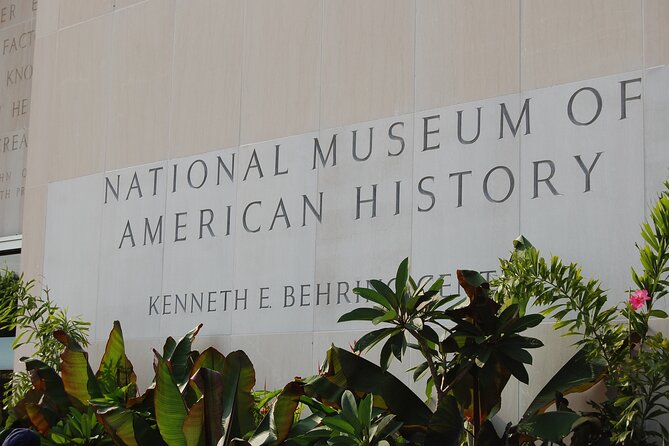
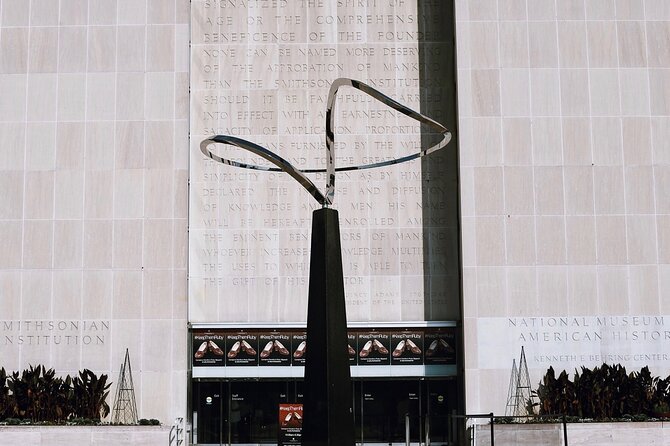
After a break to recharge, you’ll head to the National Museum of American History for another 2 hours 30 minutes. This museum can feel like a time machine full of evidence—every display is trying to answer some version of the same question: how did the country become what it is?
The tour hits the kind of objects that anchor the public imagination. Dorothy’s ruby slippers show up because they’re famous, yes—but also because they connect museum history to pop culture and the stories people choose to carry around. The Star-Spangled Banner is the other headline object on your path, tied to its story over Fort McHenry and the War of 1812. It also connects to how the song became the Nation’s Anthem, decades later.
Then you’ll get one of the most “you have to see this” exhibits: First Ladies, highlighted as the most visited Smithsonian exhibit in its history. Even if you’re not a political-history superfan, this works because it’s human: you’re looking at leadership, identity, and the role of symbolism in daily life.
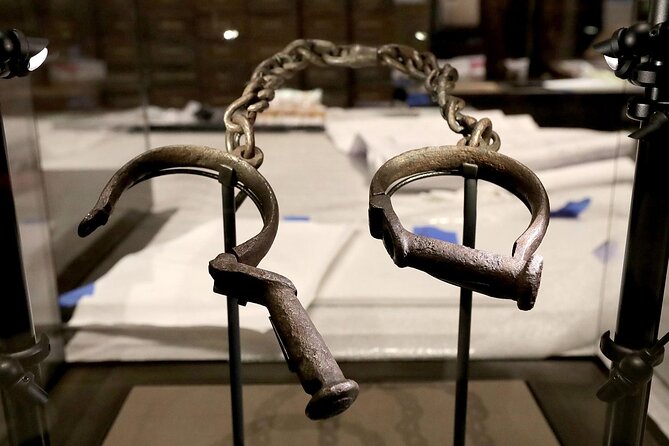
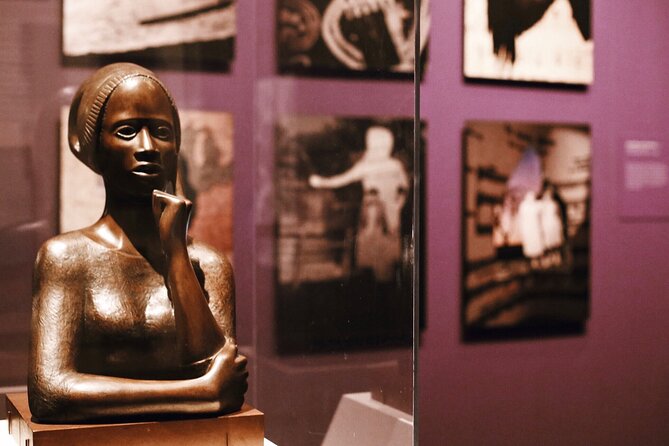
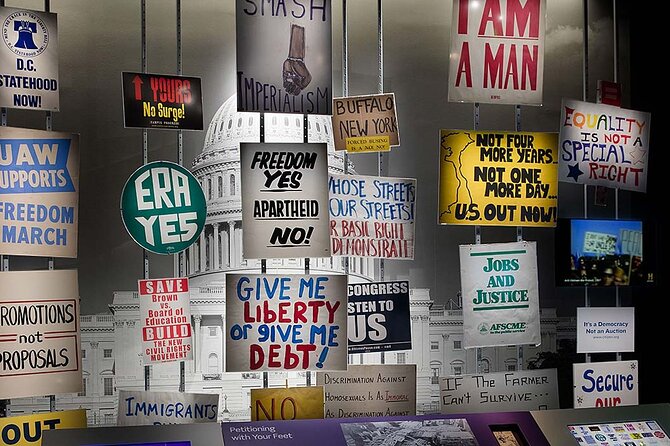
The route also reaches beyond big-name artifacts into the threads that show how struggle and change can look different across time. You’ll see touchpoints that connect major turning points—from military moments to social change—like the Greensboro Lunch Counter. The point isn’t to memorize every detail. It’s to watch how the museum connects objects to meaning.
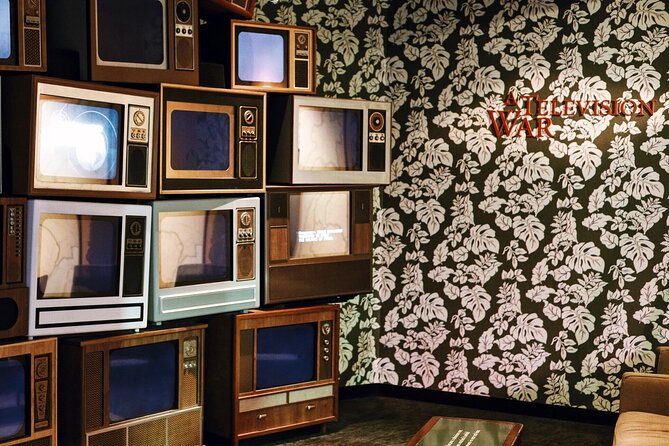
One neat value here is variety in material. You’ll move through displays involving cars, trains, kitchens, military uniforms, political ephemera, and Hollywood memorabilia. That’s not random. It’s how the museum argues that national identity isn’t just speeches and laws—it’s also the stuff people used, wore, watched, and argued about.
A small caution: American History can encourage walking at a slower, read-more pace. If you’re tempted to linger at every label, ask your guide to help you balance reading with momentum. You want to leave with understanding, not just a stack of photos of hallways.
Why an exclusive guide keeps DC’s biggest museums from overwhelming you
The Smithsonian museums don’t need help being impressive. They just need help being navigable. That’s where the guide earns their fee.
This tour is described as exclusive, meaning only your group participates. Depending on the option you choose, you may have a guide who is exclusively for you. (If you’re considering any semi-private version, check whether “exclusive guide time” still applies, since wheelchair-friendly language also changes based on the option.)
In practice, an exclusive guide matters most in two moments:
1) The first 30 minutes. When you enter a massive museum, you’re either oriented or lost. A guide helps you start with confidence instead of checking your phone every few minutes.
2) The busy sections. Even when tickets are free, lines and crowd flow can slow you down. Your guide can adjust your route so you don’t spend your limited time stuck behind a bottleneck.
The small-group effect shows up in the way you’re allowed to ask questions. And you’ll likely notice guides like Stephen Mead, Donna, and Meghan Hanson have a style that keeps energy up while still staying grounded in what you’re seeing. You can tell the difference between reciting facts and pointing you to what to notice next.
If you’re coming with kids, this matters even more. Dinosaurs and costumes pull attention. The guide’s job is to connect those attractions to stories you can follow without the group losing focus.
Deeper into the capital past

Timing, lunch break pacing, and what to wear inside
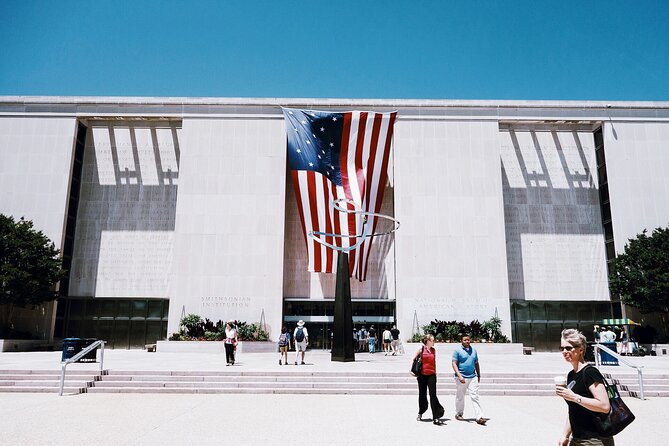
You’re looking at about 5 hours 30 minutes, including a lunch break. That built-in break is a big deal in DC, where museums run long on foot. Without a break, people tend to rush through the later half—or start feeling stiff and impatient.
Comfort-wise, you should have a moderate physical fitness level. This isn’t an extreme hike, but you are walking through large spaces and moving between two major sites.
Dress also matters. The tour notes say appropriate dress is required for entry into some sites. If you’re going in cooler weather, wear layers you can shed, because museum interiors can vary. Also expect security screening.
Bag rules are the kind of small detail that changes your morning. You’ll want to avoid large bags and suitcases. Inside the museums, security typically only allows handbags or small thin pack-style bags. If you travel with a bigger bag, you’ll lose time at the security checkpoint and might have to manage items on the fly.
Security lines, occasional closures, and the reality of DC museum days
I like tours that don’t pretend DC runs perfectly on schedule. This one warns that some attractions can have occasional closures without prior notice from the museum management.
The workable plan described here: if museum opening time is delayed by more than 1 hour from the tour start, you’ll be given an appropriate alternative. It also says refunds or discounts aren’t available in those cases. The message for you: go in ready for the Smithsonian to be the Smithsonian—then lean on the tour guide to handle adjustments if something changes.
Even when a tour is well-run, security lines can still form. The tour notes mention increased security measures at many attractions and that some areas may have quieter rules for speaking. In restricted or quiet rooms, your guide will provide key information before you enter so the group follows the rules without losing the story.
Price and value: what $166.15 buys you in guided museum time
At $166.15 per person, this tour isn’t a bargain in the way street food is a bargain. But it also isn’t overpriced when you look at what you’re getting.
Here’s what’s baked in:
- A guided combo museum tour across both museums
- A guide for your group (with an important note if you choose any semi-private option)
- About 5.5 hours total, including the lunch break
- Wheelchair friendly language applies unless you book the semi-private save option
- Admission tickets are free for the museum entries included in the route
What’s not included:
- Hotel pickup or drop-off (you’ll likely use Uber or taxi to get there)
- Gratuities, which remain optional
So what are you really paying for? You’re paying for decision-making. Instead of spending your day trying to rank what to see in two massive buildings, you get a guide-built path that lands on headline objects like Henry, the Hope Diamond, the Fossil Hall lineup, the Star-Spangled Banner, Dorothy’s ruby slippers, and First Ladies.
If you’ve ever done the Smithsonian DIY route, you’ll recognize the hidden cost: wasted time, wrong turns, and the feeling of leaving without seeing the stuff you came for. This tour is designed to reduce that risk.
Who this tour suits best in Washington DC
This works best if you want:
- A first-time-friendly highlights plan for two Smithsonian museums that are hard to cover well on your own
- A guided route that keeps you moving but still leaves room for photos and questions
- A shared experience for a mixed group, since the objects span gems, fossils, American symbols, and social change artifacts
It’s also a good option if you value comfort and clarity. The tour explicitly notes moderate physical fitness and wheelchair friendliness (depending on which version you book). That makes it more predictable than a totally open-ended “wander and see what happens” plan.
Should you book this tour or DIY it?
I’d book it if you want the Smithsonian experience with less stress. This tour is built for speed where it matters—getting you to the right galleries in the right order—while still letting you enjoy the big moments like the Hope Diamond and the Star-Spangled Banner.
I’d consider a DIY day instead if:
- Your group wants a slow, reading-heavy museum visit where you might spend 3+ hours in a single wing.
- You already know the exact objects you want and you’re comfortable building a route on the spot.
- You’re very focused on one niche topic and you need strict personalization for that angle.
If you’re on the fence, here’s my practical advice: go with this tour if you’d rather spend your energy inside the galleries than planning the logistics. The value is in guided momentum, not in a long checklist.
FAQ
Which museums are included in the Smithsonian combo tour?
You visit the Smithsonian National Museum of Natural History and the National Museum of American History.
How long is the tour, and when does it start?
The tour runs about 5 hours 30 minutes and starts at 10:00 am.
Is admission included?
Yes. The stops at both museums are listed with admission ticket free.
Where do we meet and where does the tour end?
You meet at 1010 Madison Dr NW, Washington, DC 20004. The tour ends at Smithsonian National Museum of American History, 1300 Constitution Ave NW, Washington, DC 20560.
Does the tour include hotel pickup or drop-off?
No. Hotel pickup and drop-off are not included. The tour notes recommend using Uber or taxi.
Is this tour wheelchair friendly?
The tour is listed as wheelchair friendly, but this note is not applicable if you choose the SAVE! BOOK SEMI-PRIVATE option.
What is the cancellation policy for a full refund?
You can cancel for a full refund up to 24 hours in advance of the experience start time. If you cancel less than 24 hours before, the amount paid is not refunded.
The Capital Past, Up Close





More Tour Reviews in Washington DC






More Smithsonian Halls

Just Added: Fresh Washington DC Reviews
- Washington : Private Custom Walking Tour With A Guide (Private)★ 3.5 · 3 reviews
- 3-Hour Small Group Memorial Tour in Washington, D.C.★ 4.0 · 3 reviews
- Washington DC Private Guided Bus Day Tour with Step Off Guide★ 5.0 · 3 reviews
- Washington, DC: The Good Liar: Brian Curry★ 5.0 · 3 reviews
- DC Monuments Walking Tour: Small Group, Big Ideas★ 5.0 · 3 reviews
- Washington DC: Library of Congress Private Tour with Tickets★ 5.0 · 3 reviews
Smithsonian & Museum Tours, side by side.
 ★ 4.5Guided African American History Tour with Reserved Museum EntryFrom $891,180 reviews
 ★ 4.8Museum of the Bible General AdmissionFrom $34494 reviews
 ★ 5.0Smithsonian Museum of Natural History – Exclusive Guided TourFrom $89446 reviews
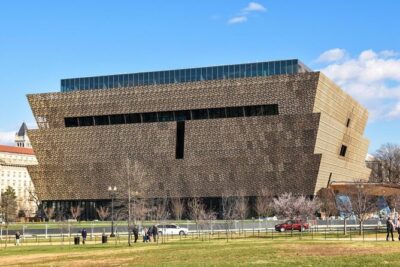 ★ 4.5African American History Tour with Museum of African American History TicketFrom $90390 reviews
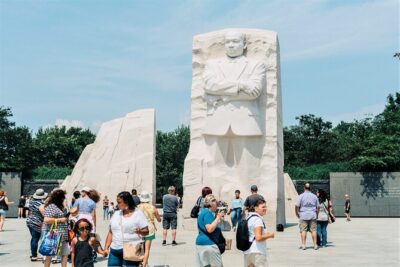 ★ 4.5National Mall Tour with 10 Stops & U.S. Capitol or Museum EntryFrom $59331 reviews
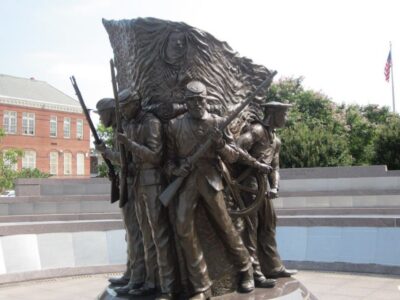 ★ 4.9African American History Tour & Museum EntryFrom $89312 reviews
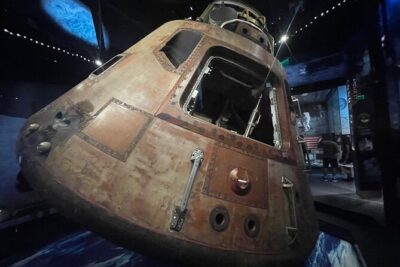 ★ 5.0Smithsonian Museums Walking Tour with Reserved Air & Space EntryFrom $79297 reviews
 ★ 4.5Capitol Combo: U.S. Capitol + Library Congress or Capitol MuseumFrom $79294 reviews
The lists this tour appears in