
Review · SMITHSONIAN & MUSEUM TOURS
Smithsonian Museum of Natural History Small Group Tour: 8ppl Max
A single tour can beat museum overwhelm. This small-group Smithsonian walk packs Hope Diamond drama, Ancient Egypt mummies, and Ocean Hall wonders into about two hours. You’ll move through major galleries without getting lost in the scale of the building.
I love the max-8 group size, which keeps the pace human and makes it easier to ask questions. I also like that the guide storytelling gets praised by names like Brenda and Leigh, including how they keep young kids engaged.
One drawback to plan for: the time limit is real. Two hours means you’ll see a curated route, not the whole museum, and security lines or occasional closures can affect timing.
In This Review
- Key highlights worth knowing
- Entering a 18-Football-Field Museum with a Clear Game Plan
- Why the Hope Diamond and Gem Rooms Are the Right First Stop
- Real Egyptian Mummies and the Stories Behind Death Rituals
- From the Land to the Sea: Polar Bears, Elephants, and Ocean Hall
- How the Art Historian Guide Changes What Two Hours Feels Like
- Price and Value: $89.67 for a Guided Route That Saves Brainpower
- Getting There, Tickets, and What to Bring Inside the Museum
- Best Fit: Families, First-Time DC Museum Goers, and Object Lovers
- Should You Book This Smithsonian Small-Group Natural History Tour?
- FAQ
- How long is the Smithsonian Museum of Natural History small group tour?
- What is the maximum group size?
- What is the meeting point for the tour?
- Is museum admission included in the price?
- What is included in the tour price?
- Is hotel pickup or drop-off included?
- Do I need a mobile phone number to participate?
- How much walking is involved and what fitness level is needed?
- What are the main highlights included on the tour?
- What is the cancellation policy?
Key highlights worth knowing
- Max 8 guests keeps the tour feeling personal and question-friendly
- Hope Diamond and major gems come with context, not just labels
- Ancient Egypt mummies fit into a wider story about death rituals
- Ocean Hall stops include a live coral reef exhibit and Phoenix the whale replica
- Time-efficient route helps you orient fast before exploring on your own
More Smithsonian halls, out of the weather
- Guided African American History Tour with Reserved Museum Entry
★ 4.5 · 1,180 reviews - Washington DC: Museum of the Bible General Admission
★ 4.8 · 494 reviews - Smithsonian Museum of Natural History – Exclusive Guided Tour
★ 5.0 · 446 reviews - African American History Tour with Museum of African American History Ticket
★ 4.5 · 390 reviews
Entering a 18-Football-Field Museum with a Clear Game Plan
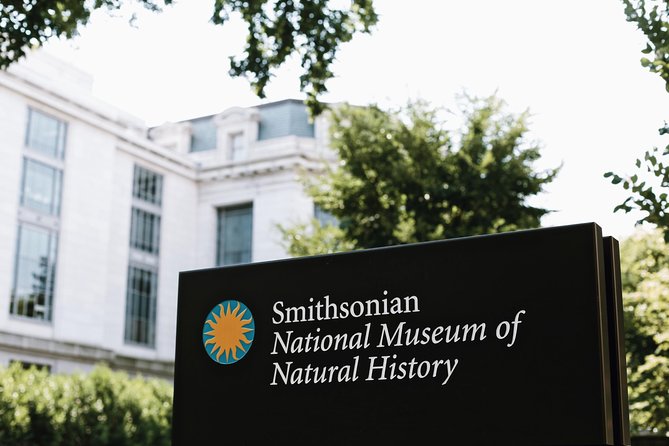
The Smithsonian National Museum of Natural History is huge. The kind of huge where, if you wander on your own, you’ll spend more time crossing hallways than actually enjoying what you came to see. This is why a small-group guided highlight route matters so much.
You get a 2-hour guided experience with a maximum of 8 people, which is the sweet spot between “too quiet” and “too crowded.” It’s offered in English, and you’ll start at 1010 Madison Dr NW, Washington, DC 20004 and return there when the tour ends.
Here’s what I like about this setup for your day: you can treat it like orientation. You get a guided path through the top-ticket exhibits, then you’re free to roam after. Multiple guide experiences in reviews point to this idea—people leave feeling better oriented because someone else helped them understand the museum flow.
Possible slowdown: this is still a museum visit, with security and occasional lines. The tour notes also say closures can happen without warning, and if the museum opening time is delayed by more than 1 hour from tour start, you’ll be offered an appropriate alternative—but refunds or discounts aren’t guaranteed in that scenario.
Why the Hope Diamond and Gem Rooms Are the Right First Stop
The tour begins inside the National Museum of Natural History, and the early focus on gems sets a strong tone. The guide takes you through the highlights across major sections, starting with the kind of items that instantly snap you out of “museum mode” and into “wow.”
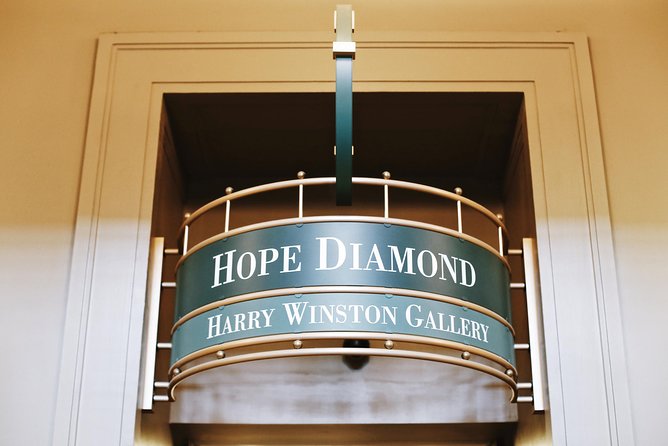
The Hope Diamond is one of those moments you either catch in your own planning or you miss it completely—and it’s hard to miss once you see it. This diamond is described here as brilliant blue with 46 karats, and the tour story links it to former owner Marie Antoinette. That historical thread helps it feel less like a frozen jewel and more like a character with a past.
Next, you’ll also spend time with the gems and minerals displays, including the Dom Pedro Aquamarine, called the world’s largest gem of its type. You’re told it glows brilliantly from within—exactly the sort of detail that makes a stop worth the walking.
A practical note: gem and mineral rooms can feel busy even when they’re not packed, because people want photos and you want to read the labels. With a small group, you’re more likely to get the guide’s story without constantly waiting for everyone to catch up. And if you’re traveling with kids, reviews mention guides using entertaining techniques, which is useful because mineral exhibits can otherwise go from magical to educational overload.
Real Egyptian Mummies and the Stories Behind Death Rituals
After gems, the tour shifts into Ancient Egypt. This is one of the smartest pivots in the itinerary because it changes the kind of attention your brain needs. Diamonds ask for wonder. Mummies ask for curiosity.
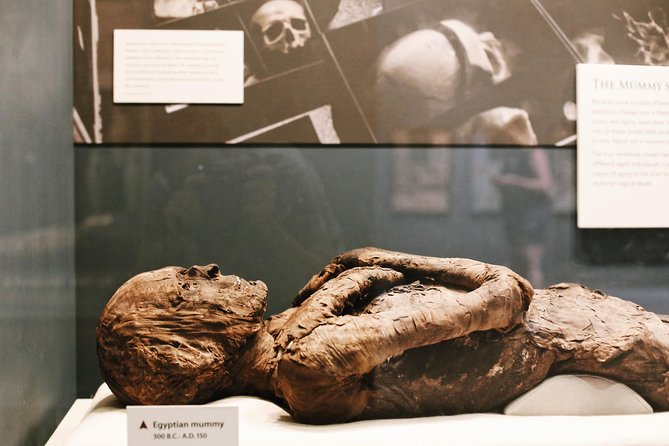
You’ll explore displays connected to death rituals while viewing real mummies from Ancient Egypt. That framing matters. Instead of treating mummies like a spooky standalone exhibit, the tour context helps you understand what these objects represented and why they were made the way they were.
If you like museums that connect the dots—how humans thought, feared, honored, and prepared—this portion is a strong fit. If you prefer pure science, you might still enjoy it because natural history museums often do a social-human side of the story too, not just animals and fossils.
One thing to keep in mind: certain rooms can have quiet or restricted “right to speak” rules. The tour notes say the guide explains the rules before entering those spaces. So if your group talks loudly by default, follow the guide lead here and you’ll keep the tour moving smoothly.
From the Land to the Sea: Polar Bears, Elephants, and Ocean Hall
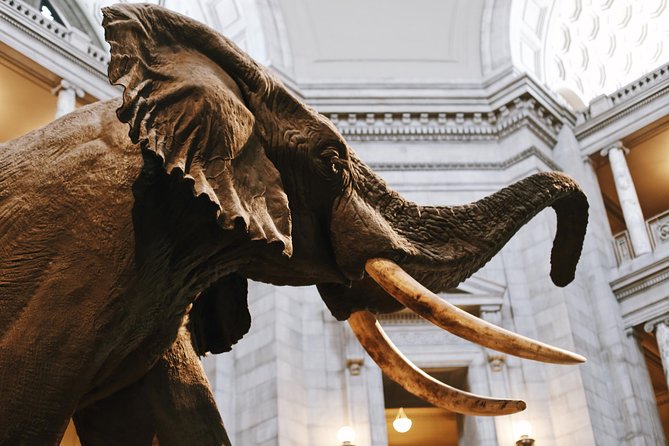
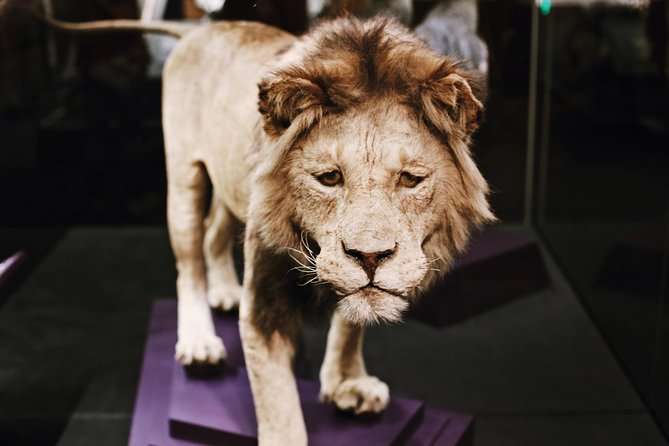
Then the itinerary takes you from the past and into the present-day natural world. You’ll explore animals across earth’s surface—mentioned stops include polar bears, elephants, and giraffes.
This is more than a random animal walk. It works as a reset after the intensity of Egypt displays. Also, it helps you see how the museum is designed: it’s not simply chronological storytelling. It’s organized around big themes—objects, ecosystems, and how humans learned to classify the natural world.
After that, you jump to Ocean Hall, one of the most satisfying sections for most people because it feels alive. You’ll discover:
- a live coral reef exhibit
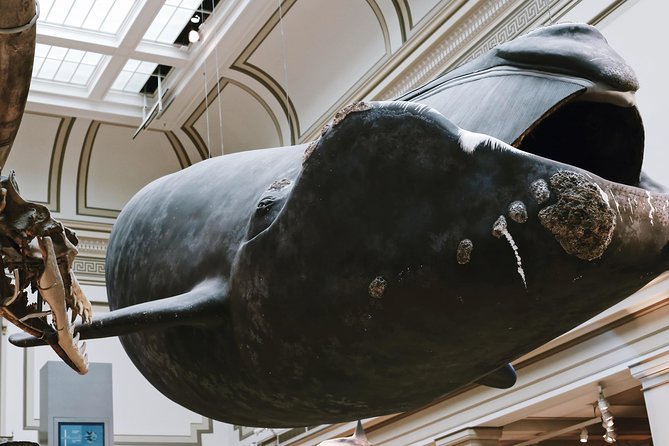
- Phoenix, a 45-ton whale that’s a replica of a real living whale the museum tracks
That coral reef element is important for value. A live exhibit turns a museum highlight tour from “read about it” to “watch it happen.” The whale stop adds scale in a different way—this is the kind of object that makes you feel the museum’s ambition fast.
If you’re the type who likes to finish with your strongest visual moment, Ocean Hall is a great ending phase. It also gives you natural photo opportunities that don’t feel like you’re forcing it.
Deeper into the capital past

How the Art Historian Guide Changes What Two Hours Feels Like
This tour includes a professional art historian guide. Even though you’re in a natural history museum, that kind of training helps with something you’ll care about: how stories are told.
In reviews, the guide quality comes up again and again, and the details are specific. People praised guides such as Brenda and Leigh for being excellent and supportive, including with young kids. Others praised Leigh and Donna for making the exhibits feel like a conversation rather than a lecture.
What you’re paying for is not just “someone walks you to the famous stuff.” You’re paying for:
- a logical route through a very large museum
- background that helps you understand why the objects matter
- pacing that keeps the stop-by-stop experience from turning into rushing
The small-group cap (8) amplifies this. If the group were bigger, you’d lose time waiting and the stories would become less personal. Instead, you’re more likely to get a guide who can respond to questions.
A subtle bonus: some reviews describe guides as making exhibits feel like they come alive and helping people understand the museum’s flow. That means after your two hours, you can explore independently with a stronger sense of where you want to spend more time.
Price and Value: $89.67 for a Guided Route That Saves Brainpower
At $89.67 per person, this isn’t a cheap museum stroll. But the value comes from what’s included.
You get:
- the small group experience (max 8)
- the professional guide
- a timed format of about 2 hours
- admission ticket is listed as free
So what you’re really paying for is the guided interpretation plus the time-saving route through a massive site. If you’ve ever spent half a day in a big museum and still felt like you saw nothing in a meaningful way, this tour is designed to avoid that problem.
Who gets the best value?
- Couples who want the top highlights without planning every room
- Families who want the museum to feel structured, especially when kids need engagement
- History and science lovers who want context for iconic objects like the Hope Diamond and the Egyptian mummies
Who might find it less satisfying?
- People expecting total coverage of the museum. Two hours can’t do everything in a building this large.
- People who hate walking. Moderate physical fitness is noted, and the museum rules say you’ll go through security and move between galleries.
If you’re the DIY type and you like to linger for hours, you might still enjoy the museum on your own. But if you want to get the museum quickly and leave with a sense of what matters most, the price starts to look fair.
Getting There, Tickets, and What to Bring Inside the Museum
Location-wise, you’ll meet at 1010 Madison Dr NW. The tour notes say it’s near public transportation, so you likely won’t need a car. Hotel pickup and drop-off aren’t included, so plan to use Uber or a taxi if you’re coming from a hotel and want minimal hassle.
You’ll need a mobile phone number (with country code). The tour also uses a mobile ticket. Bring your phone and make sure it can access the ticket information on arrival.
Inside the museum, security rules matter:
- No large bags or suitcases
- Only handbags or small thin bag packs allowed through security
Also expect that some rooms may have dress requirements, and the tour notes say appropriate dress is required for entry into some sites on this tour.
The practical win here is comfort. Wear shoes you can stand in, and dress for indoor walking. The tour involves a moderate amount of walking, and the museum is so big that even “moderate” can turn into a lot of steps.
Best Fit: Families, First-Time DC Museum Goers, and Object Lovers
This tour is a strong match if you want structure. Smithsonian days can feel overwhelming fast, and this itinerary helps you focus on high-impact stops without turning your day into a spreadsheet of rooms.
It’s also a good fit if you care about objects with famous stories. The Hope Diamond is the kind of famous you feel you already know, but the Marie Antoinette connection and the diamond details help it land in a new way. Mummies add a human-history layer. Ocean Hall gives you a different kind of awe with coral life and the Phoenix whale replica.
Families are mentioned positively in guide reviews, with comments about support and entertainment for young kids. Even if you’re not traveling with children, that same approach often makes the tone more lively and easier to follow.
If you’re someone who plans to spend the rest of the day exploring beyond the tour, you’ll likely appreciate how the guide helps you understand the museum flow. One review specifically described leaving feeling free to explore after the tour, with a better sense of where to go.
Should You Book This Smithsonian Small-Group Natural History Tour?
I’d book this if you want a focused, high-value Smithsonian experience that helps you see major highlights without wasting time guessing where to go first. The max-8 group size and the consistently praised guide performance are the main reasons this works.
You should think twice if you’re expecting a VIP-style day with zero lines and full museum coverage. This is a highlight tour. Also, museum closures can happen, and while alternatives are offered if delays pass a certain threshold, refunds or discounts aren’t part of that guarantee.
My practical recommendation: book early if you can. The tour notes say it’s commonly booked about 34 days in advance, which is a hint that popular time slots go fast.
FAQ
How long is the Smithsonian Museum of Natural History small group tour?
It runs for about 2 hours.
What is the maximum group size?
The tour has a maximum of 8 travelers.
What is the meeting point for the tour?
The tour starts at 1010 Madison Dr NW, Washington, DC 20004, USA, and ends back at the meeting point.
Is museum admission included in the price?
The admission ticket is listed as free, and the tour includes the guide and the 2-hour duration.
What is included in the tour price?
The small group (no more than 8 guests), a professional art historian guide, and the duration of about 2 hours.
Is hotel pickup or drop-off included?
No, hotel pickup or drop-off is not included. Uber or taxi is recommended.
Do I need a mobile phone number to participate?
Yes. You must provide a mobile phone number (including country code).
How much walking is involved and what fitness level is needed?
The tour notes indicate a moderate physical fitness level and that a moderate amount of walking is involved.
What are the main highlights included on the tour?
You’ll see the Hope Diamond, gems and minerals (including the Dom Pedro Aquamarine), real Egyptian mummies, animals like polar bears and elephants, and Ocean Hall features including a live coral reef exhibit and Phoenix the 45-ton whale replica.
What is the cancellation policy?
Free cancellation is available up to 24 hours in advance for a full refund. If you cancel less than 24 hours before the experience start time, no refund is provided.
The Capital Past, Up Close





More Tour Reviews in Washington DC






More Smithsonian Halls


Just Added: Fresh Washington DC Reviews
- Washington : Private Custom Walking Tour With A Guide (Private)★ 3.5 · 3 reviews
- 3-Hour Small Group Memorial Tour in Washington, D.C.★ 4.0 · 3 reviews
- Washington DC Private Guided Bus Day Tour with Step Off Guide★ 5.0 · 3 reviews
- Washington, DC: The Good Liar: Brian Curry★ 5.0 · 3 reviews
- DC Monuments Walking Tour: Small Group, Big Ideas★ 5.0 · 3 reviews
- Washington DC: Library of Congress Private Tour with Tickets★ 5.0 · 3 reviews
Smithsonian & Museum Tours, side by side.
 ★ 4.5Guided African American History Tour with Reserved Museum EntryFrom $891,180 reviews
 ★ 4.8Museum of the Bible General AdmissionFrom $34494 reviews
 ★ 5.0Smithsonian Museum of Natural History – Exclusive Guided TourFrom $89446 reviews
 ★ 4.5African American History Tour with Museum of African American History TicketFrom $90390 reviews
 ★ 4.5National Mall Tour with 10 Stops & U.S. Capitol or Museum EntryFrom $59331 reviews
 ★ 4.9African American History Tour & Museum EntryFrom $89312 reviews
 ★ 5.0Smithsonian Museums Walking Tour with Reserved Air & Space EntryFrom $79297 reviews
 ★ 4.5Capitol Combo: U.S. Capitol + Library Congress or Capitol MuseumFrom $79294 reviews
The lists this tour appears in