
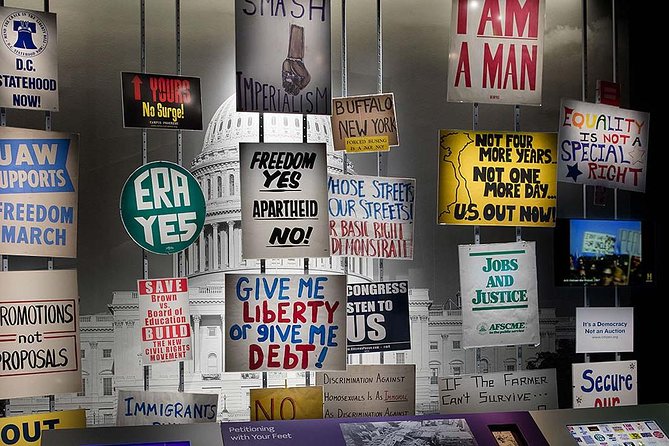
Review · SMITHSONIAN & MUSEUM TOURS
Smithsonian Museum of American History Exclusive Guided Tour
American history feels huge, but this tour makes it manageable. You get a tight, story-led walk through the Smithsonian Museum of American History in Washington DC, with a choice of morning or afternoon that keeps your day from getting tangled up.
I love how the guide steers your visit with personal attention (some guides like Meghan, Maureen, Leigh, and Rebecca are cited as standouts), so you’re not just wandering. I also love the object-based approach, where big themes show up through things like the banner tied to the national anthem, George Washington’s sword, Dorothy’s ruby red slippers, first ladies’ gowns, and the Greensboro lunch counter.
One thing to weigh: it’s a 2.5-hour highlights route, not an everything-for-everyone marathon. If your must-sees are very specific, you may want extra time afterward to circle back on your own (one guest noted they needed a second visit to catch pop culture and other sections).
In This Review
- Key points worth knowing
- Why the Smithsonian American History Museum is better with a guide
- Meeting at 1300 Constitution Ave and getting through museum rules fast
- 2.5 hours that feel focused: how the tour actually plays out
- National Museum of American History: the artifacts that anchor the story
- The banner that inspired the national anthem
- George Washington’s sword (and what symbols say)
- Dorothy’s ruby red slippers and the power of Hollywood
- First ladies’ gowns and the politics of representation
- The Greensboro lunch counter and the Civil Rights Movement
- Timing and route planning tips so you get the most from 2.5 hours
- Give your guide 2 to 3 priorities
- Don’t try to “win” the museum
- Plan lunch nearby, not as a travel event
- Price and value: what $89.67 buys you in DC
- Best fit: who should book this Smithsonian American History tour
- Possible drawbacks to plan for (so the day stays smooth)
- Quick take: should you book it?
- FAQ
- How long is the Smithsonian Museum of American History exclusive guided tour?
- Where does the tour start and end?
- Is museum admission included in the tour price?
- Is this tour private?
- Does the price include hotel pickup or drop-off?
- What should I bring or avoid bringing into the museum?
- Is wheelchair accessibility included?
- What is the cancellation policy?
Key points worth knowing
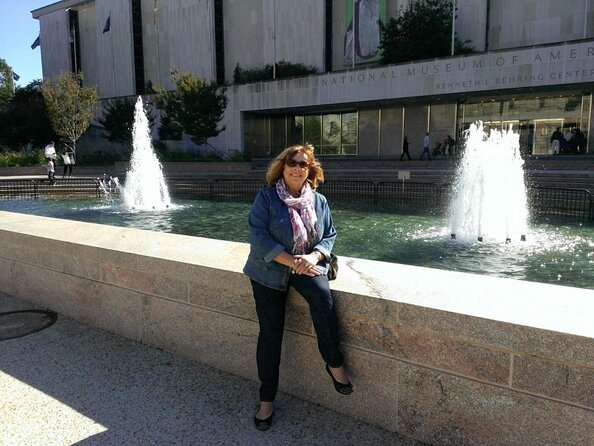
- Exclusive or small-group format: you’ll get focused guidance, with group size sometimes as small as three.
- Real artifacts, not just wall text: the tour hits iconic objects across politics, culture, and social change.
- Morning or afternoon start: plan a half-day that fits your energy and the rest of your DC plans.
- Museum logistics matter: no large bags inside; plan for security lines even when offered.
- Quiet rules in some rooms: a guide will clue you in on where talking is restricted.
- Admission is free, but interpretation is the value: you pay for the time and the story thread.
More Smithsonian halls, out of the weather
- Guided African American History Tour with Reserved Museum Entry
★ 4.5 · 1,180 reviews - Washington DC: Museum of the Bible General Admission
★ 4.8 · 494 reviews - Smithsonian Museum of Natural History – Exclusive Guided Tour
★ 5.0 · 446 reviews - African American History Tour with Museum of African American History Ticket
★ 4.5 · 390 reviews
Why the Smithsonian American History Museum is better with a guide
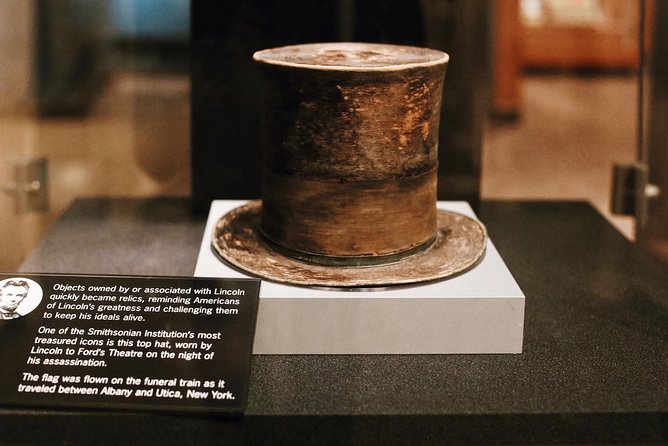
The Smithsonian Museum of American History can feel like two museums in one: a national timeline and a culture blender. One minute you’re staring at an artifact that shaped how the country told its own story. The next minute you’re looking at pop culture objects that show how Hollywood and entertainment influenced how Americans saw themselves.
That’s where this guided format pays off. You’re not trying to decide what matters while also fighting a huge building. A good guide creates a path where each stop answers a question: What does this object represent? Who had the power then? Why does it still matter now?
The strongest moments from guides like Maureen, Ryan, and Annemarie are the ones where they connect the dots. Ryan’s tour style, for example, was described as energetic and flexible—good signs if you want a route that bends around your interests. And Rebecca’s narration stood out for turning iconic items (like the Star-Spangled Banner) into something more personal and understandable.
Meeting at 1300 Constitution Ave and getting through museum rules fast
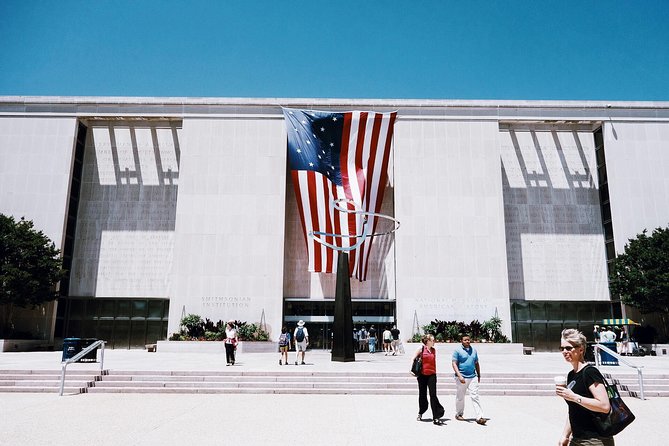
Your starting point is at the Smithsonian National Museum of American History, 1300 Constitution Ave. NW, Washington, DC 20560. The tour returns to the meeting point when you’re done, so you don’t have to play transit chess afterward.
Plan for Smithsonian-style on-the-ground reality:
- Security checks are real. The museum allows only handbags or small thin bag packs inside. Leave large bags and suitcases outside the fun.
- Dress rules can apply in some areas. If you’re visiting in hotter weather, it helps to have something respectful and comfortable on hand.
- Quiet or restricted rooms exist. In those spots, talking may be limited, and your guide will tell you about it before you enter.
- Lines can happen, even with any time-saving expectation. Increased security measures at many attractions can mean waiting, so build a little buffer into your day.
Also: you’ll need to provide a mobile phone number (with country code). It’s one of those practical details that keeps the day smooth if anything shifts.
2.5 hours that feel focused: how the tour actually plays out
This is a half-day experience at about 2 hours 30 minutes, and it’s run as a private tour/activity where only your group participates. That matters because the guide can slow down or speed up based on your pace, not a big herd.
In that time, you’re not seeing every exhibit. Instead, you’re seeing a carefully chosen route that makes the museum’s size feel less intimidating. Guides are praised for balancing coverage so you don’t feel overwhelmed, and for telling the stories behind what you’re looking at rather than reciting museum labels.
A big advantage of the exclusive or small-group setup is control. One guest noted the group size was intimate enough to feel personal (three people in their case). Another said the guide tailored the route to requests and hadn’t already seen certain things. If you like asking questions or steering the visit, a small group gives you more room to do it.
National Museum of American History: the artifacts that anchor the story
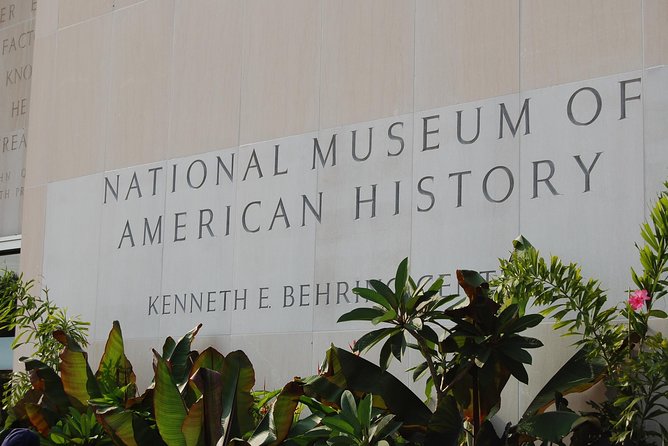
The entire tour centers on the National Museum of American History, and the object choices are what make it special. Instead of teaching American history like a textbook, this route uses objects as evidence.
Here’s what you’ll get to see, and why each stop lands:
Deeper into the capital past

The banner that inspired the national anthem
You’ll learn about the path from a ragtag early group of colonists to a superpower, using a famous connection to the anthem. The tour’s focus here is smart: it shows how national identity gets constructed, not just announced.
This is also one of the easiest places to get emotional interest without effort. A guide can point out symbolism and context so the artifact stops being just a headline and becomes part of the larger story about nation-building.
George Washington’s sword (and what symbols say)
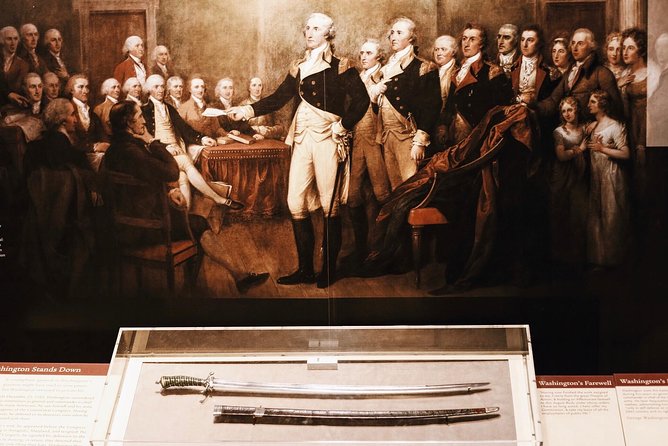
George Washington’s sword is a dramatic artifact choice, because it’s tied to leadership, authority, and the image of the new United States. Seeing it with a guide helps you move past “famous item” and toward “what did power look like at the time.”
If you’re the type who likes understanding why leaders are remembered the way they are, this stop gives you a clear framework quickly.
Dorothy’s ruby red slippers and the power of Hollywood
Yes, you read that right. Dorothy’s ruby red slippers show up for a reason: Hollywood didn’t just entertain. It helped shape how Americans imagined values, morality, and identity—especially during different historical moments.
This is where the tour feels different from a typical “presidents and wars” route. It broadens the story so you can connect cultural influence to historical change.
First ladies’ gowns and the politics of representation
The tour includes an extensive look at first ladies’ gowns. Clothing sounds small until you remember that public image is a kind of power. Dresses and style were part of how the presidency communicated what it stood for and who it hoped to represent.
A guide’s job is to make that connection fast: what’s the message here, and how does it fit the era?
The Greensboro lunch counter and the Civil Rights Movement
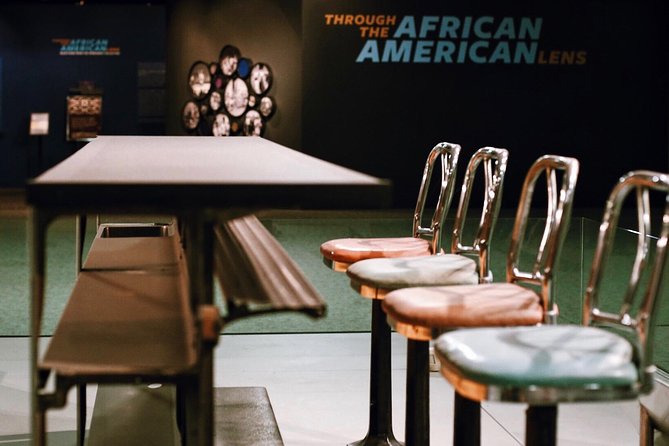
The Greensboro lunch counter is a powerful pivot into the Civil Rights Movement. It anchors the idea that change didn’t happen in speeches alone. It happened in rooms, in places where people fought for dignity and basic rights.
If you’ve ever wondered why history feels both distant and deeply personal, this stop tends to bring it into focus fast. Expect the guide to handle the context carefully, since the subject can be emotional and often controversial.
Timing and route planning tips so you get the most from 2.5 hours
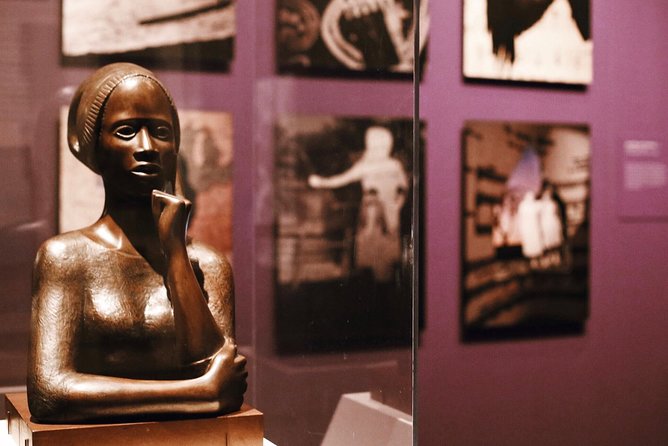
Because the museum is huge, your strategy matters. Here are practical ways to make the time count:
Give your guide 2 to 3 priorities
Before you start, decide what matters most:
- A presidential angle (Washington and beyond)
- Culture and Hollywood influence
- Social movements and civil rights
This is where the tour’s small-group nature shines. Multiple guides in recent experiences were praised for flexibility and for tailoring the path to what people wanted. If you walk in with a short list, you’ll get a more satisfying route.
Don’t try to “win” the museum
The best way to enjoy this tour is to treat it like a high-quality orientation. You’ll see major anchors and learn how they connect. Then you can decide what to chase afterward on your own.
One guest suggested giving yourself time to investigate independently. That’s the right instinct. Think of this as setting your direction, not replacing the rest of the museum.
Plan lunch nearby, not as a travel event
The museum has places to eat, but one review specifically called out that the museum cafeteria wasn’t great, while food trucks outside were a better bet. So if you’re pairing this with more sightseeing, consider keeping lunch simple and nearby so you stay energized for the afternoon.
Price and value: what $89.67 buys you in DC
At $89.67 per person, you’re not paying for entry—admission is free. You’re paying for the guide time, the story thread, and the advantage of not having to plan the route yourself in a maze of exhibits.
So what’s the value equation?
- If you like learning through interpretation and discussion, a guide can save hours of wandering and guessing.
- If you’re a history fan who wants context for famous artifacts, the payoff is bigger than the ticket price suggests.
- If you only need to see a single section and you’re comfortable mapping the rest solo, you might decide to DIY.
In the experiences shared, the rating is extremely high (4.9 with 96% recommending it), and many comments point to the same themes: guides who tell stories well, keep people engaged, and don’t rush.
Also, remember the tour guide can be exclusively for you unless you choose a semi-private option. That distinction matters for value. For families or groups who want questions answered in real time, exclusivity tends to make the price feel more reasonable.
Best fit: who should book this Smithsonian American History tour
This tour is a great match if you want:
- A half-day structure in Washington DC that doesn’t swallow your whole day
- Clear highlights through America’s politics, culture, and social change
- A guide who can handle big subjects without making it feel like a lecture
It also suits families and mixed-age groups. One family described the experience as engaging for both adults and kids, with the guide adjusting narration to interests. If you’re traveling with a teen, a parent, or a curious kid, you’ll probably like this format.
If you’re traveling solo and want to feel less lost in a massive museum, this also works well. Several solo travelers gave strong praise to guides for clarity, storytelling, and the way the tour kept them engaged.
Possible drawbacks to plan for (so the day stays smooth)
Even with a great guide, there are a few realities to keep in mind:
- It’s not a scan-everything tour. If you want every pop culture exhibit or every civil rights-related display, you’ll likely need extra time after the guided portion.
- Personal style can shape what you notice. One guest felt the guide focused on certain areas and skipped others, then returned later. That doesn’t mean the tour is bad; it means you should tell your guide what you care about so they aim their storytelling at your interests.
- Security and museum behavior rules can slow you down. No large bags inside, occasional lines, and restricted talking in some rooms are all part of the Smithsonian experience.
Quick take: should you book it?
Book this tour if you want the Smithsonian Museum of American History to make sense fast. I’d choose it when you’re short on time, don’t want to plan, or you like your history served with context through real artifacts.
Skip or downshift your expectations if your goal is total coverage of every exhibit. This experience is built for highlights, story, and direction—not for seeing everything. For most people, though, that’s the best kind of value in Washington DC.
FAQ
How long is the Smithsonian Museum of American History exclusive guided tour?
The tour runs about 2 hours 30 minutes.
Where does the tour start and end?
It starts at the Smithsonian National Museum of American History, 1300 Constitution Ave. NW, Washington, DC 20560, and ends back at the same meeting point.
Is museum admission included in the tour price?
Yes. Admission Ticket Free is listed for the tour.
Is this tour private?
Yes. It is described as private, with only your group participating. (Some details vary if you select a semi-private option.)
Does the price include hotel pickup or drop-off?
No. Hotel pickup or drop-off is not included, and Uber or taxi is recommended.
What should I bring or avoid bringing into the museum?
No large bags or suitcases are allowed inside. Only handbags or small thin bag packs are allowed through security.
Is wheelchair accessibility included?
Wheelchair friendly is listed as included, but it does not apply if you choose the SAVE! BOOK SEMI-PRIVATE option.
What is the cancellation policy?
Free cancellation is available up to 24 hours in advance for a full refund. If you cancel less than 24 hours before the start time, the amount paid is not refunded.
The Capital Past, Up Close





More Tour Reviews in Washington DC






More Smithsonian Halls


Just Added: Fresh Washington DC Reviews
- Washington : Private Custom Walking Tour With A Guide (Private)★ 3.5 · 3 reviews
- 3-Hour Small Group Memorial Tour in Washington, D.C.★ 4.0 · 3 reviews
- Washington DC Private Guided Bus Day Tour with Step Off Guide★ 5.0 · 3 reviews
- Washington, DC: The Good Liar: Brian Curry★ 5.0 · 3 reviews
- DC Monuments Walking Tour: Small Group, Big Ideas★ 5.0 · 3 reviews
- Washington DC: Library of Congress Private Tour with Tickets★ 5.0 · 3 reviews
Smithsonian & Museum Tours, side by side.
 ★ 4.5Guided African American History Tour with Reserved Museum EntryFrom $891,180 reviews
 ★ 4.8Museum of the Bible General AdmissionFrom $34494 reviews
 ★ 5.0Smithsonian Museum of Natural History – Exclusive Guided TourFrom $89446 reviews
 ★ 4.5African American History Tour with Museum of African American History TicketFrom $90390 reviews
 ★ 4.5National Mall Tour with 10 Stops & U.S. Capitol or Museum EntryFrom $59331 reviews
 ★ 4.9African American History Tour & Museum EntryFrom $89312 reviews
 ★ 5.0Smithsonian Museums Walking Tour with Reserved Air & Space EntryFrom $79297 reviews
 ★ 4.5Capitol Combo: U.S. Capitol + Library Congress or Capitol MuseumFrom $79294 reviews
The lists this tour appears in