
Review · SMITHSONIAN & MUSEUM TOURS
National Portrait Gallery and American Art Museum Tour: 8ppl Max
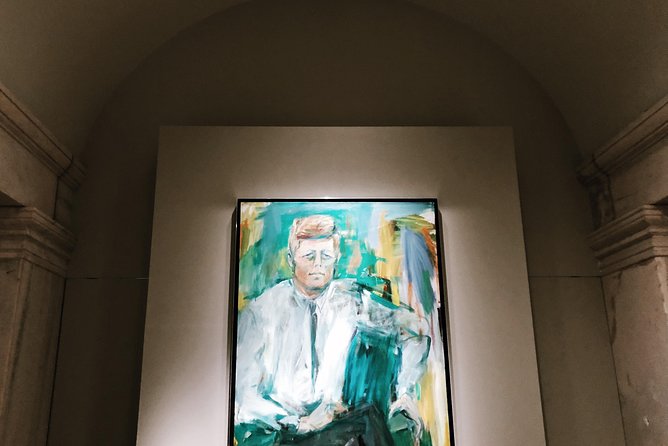
One building, two museums, one clear story. You’ll get an expert guide who can connect portraits to politics, culture, and change, and I especially like the small group size (8 max) that leaves room for real questions and slower looking. A good possible drawback: museum security means you may face lines and you’ll need to follow the no-large-bags rule inside.
You’ll also hear plenty of specific context as you move between the National Portrait Gallery and the American Art Museum, including the Civil War link where Walt Whitman tended wounded soldiers—plus major artists like Edward Hopper and David Hockney. In at least one recent tour, the guide was Meghan, the kind of self-described art-history geek who explains what you might otherwise miss in a caption. If you’re traveling with bulky luggage or you hate rules at security, plan to pack lightly.
In This Review
- Key Highlights You’ll Feel During This 2.5-Hour DC Art Walk
- National Portrait Gallery’s Civil War Hospital Roots (and Why That Matters)
- Portrait Gallery Highlights: From Presidents and First Ladies to Suffragettes
- The Adjacent American Art Museum: “American” Through Many Styles
- Mary Cassatt to Georgia O’Keeffe: Familiar Names, Better Meaning
- Government Photography and an Obama Portrait: Art That Lives in Politics
- Edward Hopper and David Hockney: The Part Many People End Up Talking About
- Timing, Pacing, and the Small-Group Advantage (8 People Max)
- What to Bring (and What to Leave Behind) for a Smoother Museum Visit
- When Closures or Changes Happen (and How the Tour Handles It)
- Value for $89.67: Paying for Context, Not Just Access
- Who This Tour Fits Best
- Should You Book This Portrait Gallery + American Art Museum Tour?
- FAQ
- How long is the tour?
- What is the maximum group size?
- Where do I meet, and when does it start?
- Is admission included, and are meals included?
- Are there bag or dress rules?
- Can I cancel for a full refund?
Key Highlights You’ll Feel During This 2.5-Hour DC Art Walk
- 8-person maximum keeps the pacing human and the discussion practical
- Walt Whitman’s Civil War hospital connection turns the Portrait Gallery building into a living timeline
- Portraits + photography + daguerreotypes help you see how Americans pictured themselves
- American Art moments from Mary Cassatt to Georgia O’Keeffe to Edward Hopper and David Hockney
- Government Depression-era photography and an Obama portrait add modern political texture
- Quiet/restricted rooms are handled by your guide so you know what’s expected before you enter
More Smithsonian halls, out of the weather
- Guided African American History Tour with Reserved Museum Entry
★ 4.5 · 1,180 reviews - Washington DC: Museum of the Bible General Admission
★ 4.8 · 494 reviews - Smithsonian Museum of Natural History – Exclusive Guided Tour
★ 5.0 · 446 reviews - African American History Tour with Museum of African American History Ticket
★ 4.5 · 390 reviews
National Portrait Gallery’s Civil War Hospital Roots (and Why That Matters)
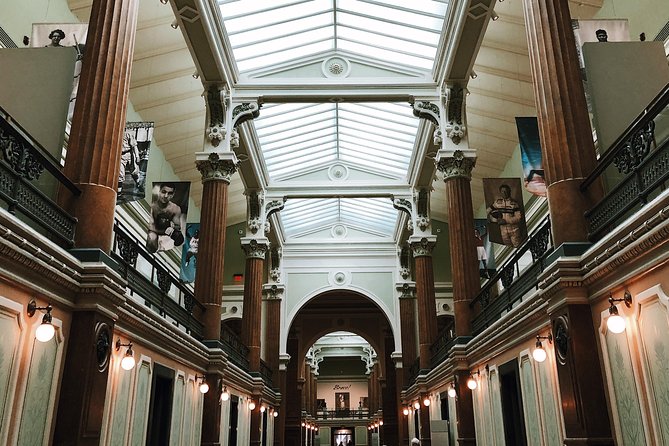
This tour starts at the National Portrait Gallery, right at 8th St NW & G St NW (meet-up there at 1:30 pm). What makes this place different from a typical art stop is the building itself. It once served as a Civil War–era hospital, which means the walls carry a real-world story before you even reach the galleries.
Walt Whitman is part of that story in a very literal way: he treated wounded soldiers here, and the museum commemorates him with a portrait hanging within the National Portrait Gallery. When you know that detail up front, the whole concept of portraiture shifts. You’re not just looking at faces—you’re looking at how the United States chose to remember people when the country was still deciding what it was.
Portrait Gallery Highlights: From Presidents and First Ladies to Suffragettes
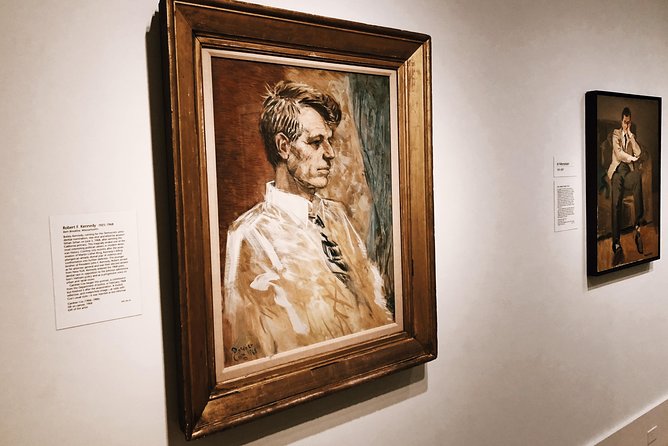
Once you’re inside, the tour focuses on the kind of works that help you understand the American “who’s who” over time. You’ll see presidential portraits, first ladies, and figures from the Civil War era like Grant and Sherman. That big political lineup is useful, because it shows how leadership is visually staged—what gets emphasized, and what gets left out.
You’ll also spend time with portraits that widen the story beyond presidents. The display mix can include references to major social movements and groups such as the Suffragettes, along with images tied to industrial wealth sometimes associated with Robber Barons. You’ll also get to see 19th-century daguerreotypes, which are a reminder that photography—and the idea of capturing identity—was once a whole craft and a big deal.
And this is where a strong guide makes the difference. In a recent experience, Meghan helped the group interpret artworks in ways you wouldn’t get from descriptive labels alone. If you’ve ever felt art museums are either too vague or too academic, this format aims for the sweet spot: clear context without turning the visit into a lecture.
The Adjacent American Art Museum: “American” Through Many Styles
After the Portrait Gallery, the tour moves within the National Portrait Gallery / American Art Museum complex area. You’re looking at American art through multiple time periods and mediums, which is part of why the tour is worth it even if you’re not a hardcore art person.
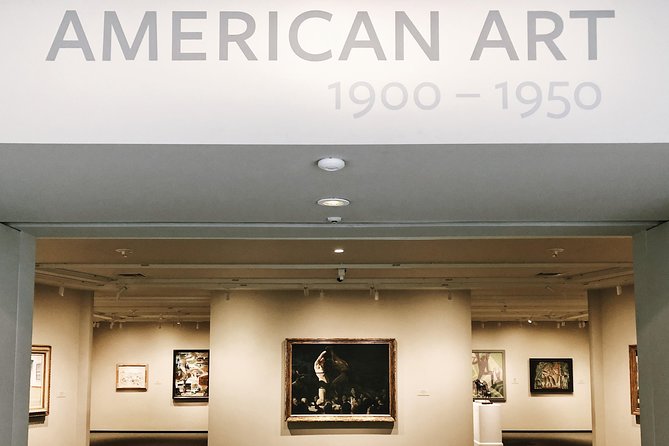
One of the most practical benefits of this approach is momentum. Instead of stopping cold in one gallery theme, you keep getting fresh entry points: Impressionism, American modernism, photography, then later experimental work. Your guide helps connect the dots so it feels like one story with different chapters instead of unrelated exhibits.
Mary Cassatt to Georgia O’Keeffe: Familiar Names, Better Meaning
You’ll get to appreciate scenes by American artists like Mary Cassatt, tied to the Impressionist movement. Cassatt can be easy to dismiss as just charming paintings—until you understand the context of how women artists fit into wider art shifts. Then Georgia O’Keeffe comes next with her provocative flower subjects, which often makes visitors pause because the works feel both bold and strangely intimate at the same time.
This section works well if you like art that rewards close looking. Flowers might sound “simple” on paper, but once you connect the style choices to the era and the artist’s intent, you get a clearer sense of why O’Keeffe matters to American art history.




Government Photography and an Obama Portrait: Art That Lives in Politics
The tour also includes photographs commissioned by the government during the Great Depression. That’s a smart inclusion because it shows how the image of everyday life—and the image of the nation—was shaped with purpose. You’re not just seeing pictures; you’re seeing a tool for messaging, documentation, and public morale.
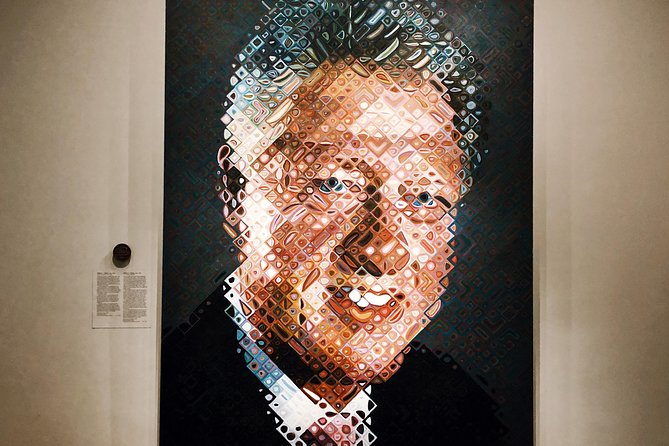
Then you’ll encounter a curious portrait of former president Obama. That’s a helpful anchor for modern viewers, because it pulls the discussion from distant history into the present moment. Even if you don’t know much about portraiture, you can usually sense the visual choices: how the artist presents authority, approachability, or personality.
Edward Hopper and David Hockney: The Part Many People End Up Talking About
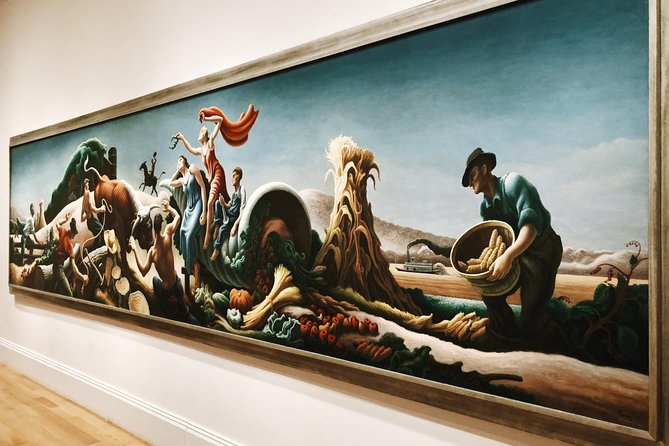
If you like art with mood, this is the stretch of the tour where you’ll probably feel the energy. The tour highlights famous artists like Edward Hopper and David Hockney. Hopper is the name people often associate with loneliness, city life, and sharp light. Hockney tends to bring color, playful observation, and a more openly visual style.
A good guide helps you do more than recognize names. You’ll get explanation of what to notice—composition, lighting, and why these works reflect American life in different ways. If you’ve ever left an exhibit thinking the art was beautiful but you missed the point, this tour’s focus on context is the antidote.
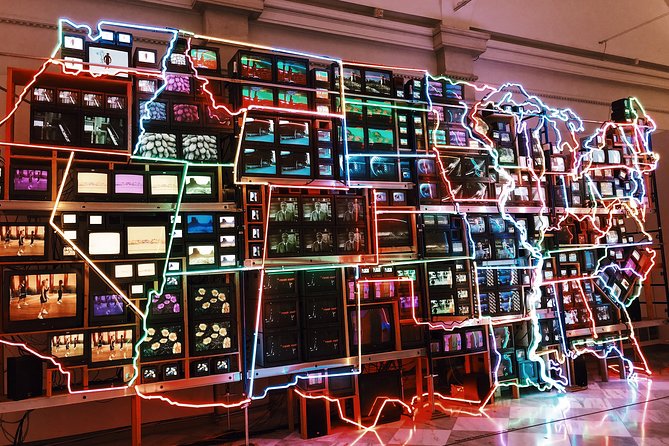
And yes, after that, you’ll move toward more experimental and contemporary art. The tour sets expectations here: some of it may need a bit of explaining to understand how it fits into America’s unique story. That’s actually a strength. Contemporary art often loses people when they feel left out; having someone translate the “why” helps you stay engaged instead of just scanning for what looks familiar.
Timing, Pacing, and the Small-Group Advantage (8 People Max)
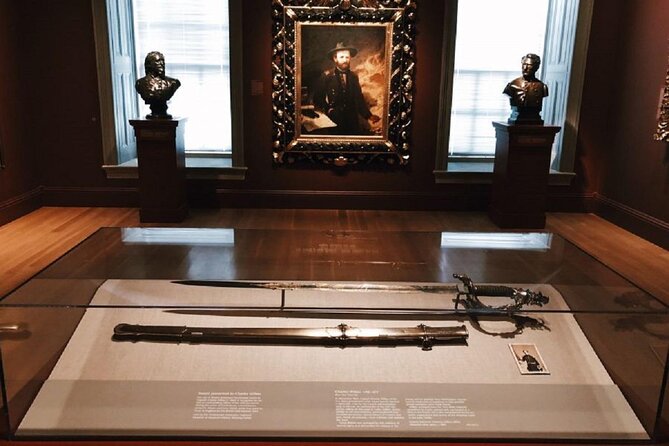
The tour runs about 2 hours 30 minutes, starting at 1:30 pm. For a Washington DC museum day, that’s a good chunk of time: enough to see meaningful highlights without turning it into an all-afternoon endurance event.
With 8 travelers maximum, the group stays manageable. You’re less likely to get swept along by a crowd, and you can actually ask questions without feeling like you’re holding everyone hostage. This matters a lot in art museums, because the best parts often happen when you pause, point, and ask: What should I be seeing here?
The tour also lists a mobile ticket and English language. It’s near public transportation, which helps if you’re combining this with other DC stops. There’s also a practical note: appropriate dress is required for entry into some sites, and you should avoid large bags or suitcases. Only handbags or small thin bag packs are allowed through security inside the museum.
What to Bring (and What to Leave Behind) for a Smoother Museum Visit
Because security rules are real, not optional, I’d plan around them. The tour clearly states no large bags or suitcases inside the museum. That means your “day bag” should stay small and easy to move through screening.
Here’s how I’d prep:
- Bring only what you’ll need for 2.5 hours (phone, wallet, a light layer).
- Keep your bag compact so it fits the allowed category.
- Wear shoes with solid grip; the tour notes a moderate physical fitness level.
Also note the tour mentions that some rooms inside may be very quiet or have a restricted right to speak. Your guide should tell you before you enter. That’s a nice heads-up because it changes how you behave—quietly, respectfully—so you can focus instead of worrying about rules mid-visit.
When Closures or Changes Happen (and How the Tour Handles It)
No one likes surprises at museums, and the tour does warn that occasional closures can occur without prior notice from museum management. The workaround described here is sensible: if the museum opening is delayed more than 1 hour from the tour start time, they’ll provide an appropriate alternative.
The important part is what they can’t do—refunds or discounts aren’t offered in those closure-delay cases. So if you’re on a tight schedule, it’s smart to build in some flexibility around your afternoon plans. Museum security and occasional room restrictions can also affect how quickly you move through galleries.
Value for $89.67: Paying for Context, Not Just Access
At $89.67 per person, this isn’t a budget walk-by-a-museum deal. The value comes from what you’re buying: a professional guide plus a tight highlight route that turns a massive collection into something you can actually process in a single visit.
Two things help the math make sense:
1) The tour lists the admission ticket as free, so you’re not paying separately for entry on top of the guide fee.
2) The group size stays small, which means your time isn’t wasted standing in the flow of a large crowd.
There are also group discounts mentioned, and the tour is offered in English with a mobile ticket. Lastly, the average booking window is 71 days in advance, which suggests it’s popular—another reason to reserve early if you have firm plans for a DC trip.
Who This Tour Fits Best
This experience is a strong match if you want art history with a clear “why.” You’ll get plenty of famous names—Hopper, Hockney, Cassatt, O’Keeffe—but what you’ll really be taking home is how those artists connect to how Americans have pictured themselves.
It also suits you if you care about American identity as it changes over time: Civil War memory, suffrage-era representation, Depression-era imagery, and modern portraiture all appear on the route. If you mostly like quick gallery browsing, you might find parts of the story heavy. But if you’re the type who enjoys context and likes to understand what a painting or photo is trying to say, this tour is built for you.
Should You Book This Portrait Gallery + American Art Museum Tour?
If you want a guided, structured way to see two major Smithsonian-adjacent collections in one afternoon, I think this is an easy “yes.” The 8-person limit plus the guide-led explanations of portraits, photography, and major artists makes the price feel more like paying for understanding than paying for entry.
I’d be more cautious if you need a completely self-paced museum visit, or if you’re traveling with large luggage that won’t pass security easily. The quiet-room rules and the possibility of occasional closures are minor factors, but they’re worth knowing before you lock in the afternoon.
Overall, this is a practical art tour in DC: history first, portraits second, and then American art styles that keep widening the story.
FAQ
How long is the tour?
It runs for about 2 hours 30 minutes.
What is the maximum group size?
This is a small-group tour with a maximum of 8 travelers.
Where do I meet, and when does it start?
You meet at the National Portrait Gallery at 8th St NW & G St NW, Washington, DC 20001, USA, with a start time of 1:30 pm.
Is admission included, and are meals included?
The tour lists the admission ticket as free. Food and drinks are not included.
Are there bag or dress rules?
Yes. The tour notes that no large bags or suitcases are allowed inside the museum—only handbags or small thin bag packs. It also says appropriate dress is required for entry into some sites.
Can I cancel for a full refund?
Yes. Free cancellation is available up to 24 hours in advance of the experience start time for a full refund.
More Tour Reviews in Washington DC






More Smithsonian Halls



Just Added: Fresh Washington DC Reviews
- Washington : Private Custom Walking Tour With A Guide (Private)★ 3.5 · 3 reviews
- 3-Hour Small Group Memorial Tour in Washington, D.C.★ 4.0 · 3 reviews
- Washington DC Private Guided Bus Day Tour with Step Off Guide★ 5.0 · 3 reviews
- Washington, DC: The Good Liar: Brian Curry★ 5.0 · 3 reviews
- DC Monuments Walking Tour: Small Group, Big Ideas★ 5.0 · 3 reviews
- Washington DC: Library of Congress Private Tour with Tickets★ 5.0 · 3 reviews
Smithsonian & Museum Tours, side by side.
 ★ 4.5Guided African American History Tour with Reserved Museum EntryFrom $891,180 reviews
 ★ 4.8Museum of the Bible General AdmissionFrom $34494 reviews
 ★ 5.0Smithsonian Museum of Natural History – Exclusive Guided TourFrom $89446 reviews
 ★ 4.5African American History Tour with Museum of African American History TicketFrom $90390 reviews
 ★ 4.5National Mall Tour with 10 Stops & U.S. Capitol or Museum EntryFrom $59331 reviews
 ★ 4.9African American History Tour & Museum EntryFrom $89312 reviews
 ★ 5.0Smithsonian Museums Walking Tour with Reserved Air & Space EntryFrom $79297 reviews
 ★ 4.5Capitol Combo: U.S. Capitol + Library Congress or Capitol MuseumFrom $79294 reviews
The lists this tour appears in