
Review · SMITHSONIAN & MUSEUM TOURS
National Portrait Gallery & American Art Museum Tour 8ppl
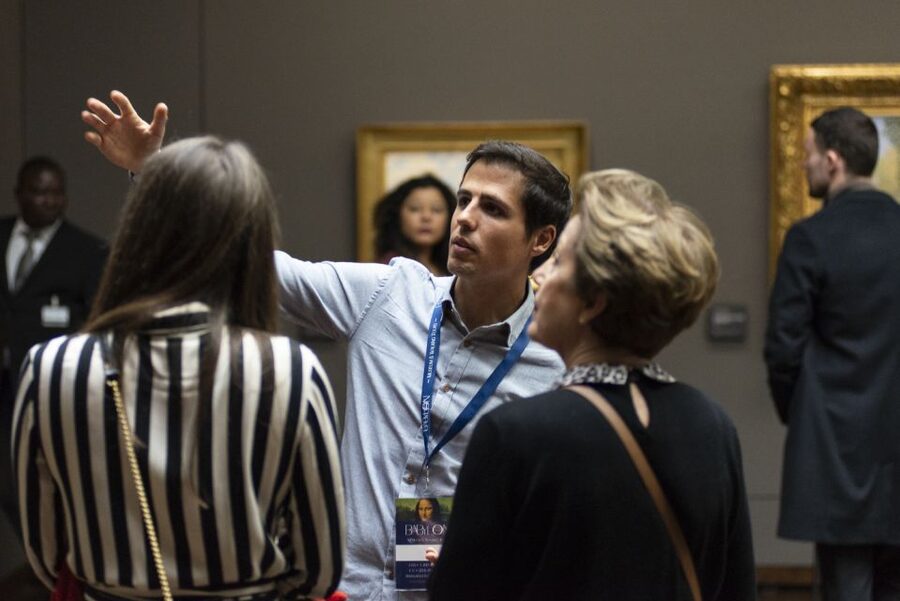
If you like stories in museums, this one fits. The tour connects faces, art, and American turning points inside two famous galleries.
I like the way it moves in a clear line through the evolution of American art, from early photography and Civil War-era connections to big 20th-century names. I also love the personal touch of a professional art historian guide, with guides like Leigh, Bess, and Tony praised for making the stops feel alive and easy to follow.
One thing to consider: there’s moderate walking, and the tour isn’t listed as suitable for wheelchair users—so plan accordingly and check options when booking.
In This Review
- Key things to notice
- A Former Civil War Hospital Now Serving American Portraits
- Entering the National Portrait Gallery: Presidents, Pioneers, and Power
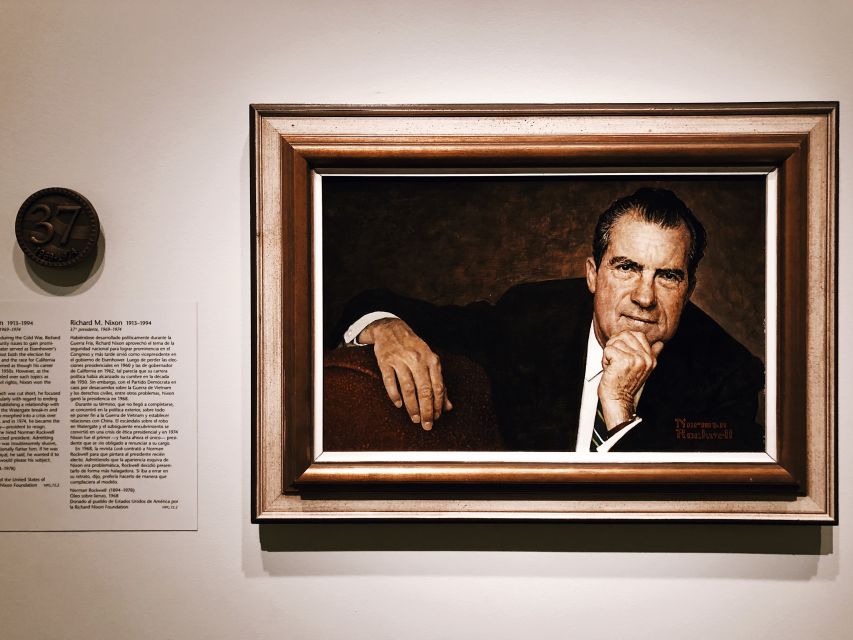
- Presidential Portraits and the “Why” Behind Iconic Faces
- From Daguerreotypes to Robber Barons and Suffragettes
- The Greensboro Lunch Counter: Civil Rights Right in the Middle
- American Art Museum Highlights: Cassatt, Hopper, Hockney, and O’Keeffe
- Seeing the Slightly Odd Obama Portrait (and Why It’s Useful)
- WPA-Era Photographs and Modern Works That Need a Hand
- Why the Guide Changes Everything (Leigh, Bess, and Tony Stand Out)
- How the 150 Minutes Are Used (and what you’ll likely prioritize)
- Value for $95: A Professional Guide for Two Museums
- Practical Tips: ID, Bags, Walking Pace, and Quiet Rules
- Should You Book This National Portrait Gallery + American Art Tour?
- FAQ
- How long is the tour?
- What does the $95 per person price include?
- What is not included in the tour price?
- Where do I meet the tour?
- What do I need to bring?
- Are there bag or luggage restrictions?
- Is the tour available every day?
- Is the tour suitable for wheelchair users?
Key things to notice
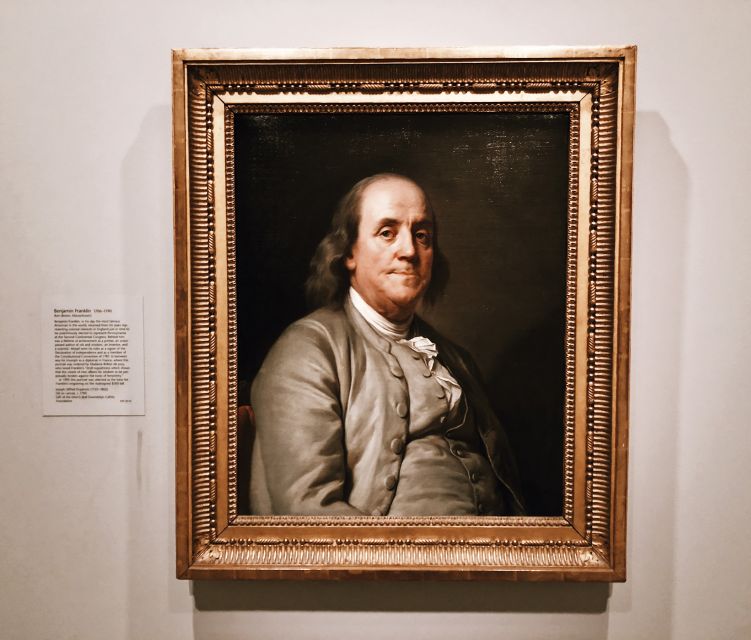
- A former Civil War-era hospital building (yes, Walt Whitman is part of the story)
- Two museums in one smooth arc: National Portrait Gallery, then the American Art Museum
- Presidential Portrait collection plus the bigger “why this matters” context
- Art-history storytelling that explains what you’re seeing, not just what it is
- Greensboro Lunch Counter as a Civil Rights anchor within the tour
- Small-group feel that makes questions and course-corrections possible
More Smithsonian halls, out of the weather
- Guided African American History Tour with Reserved Museum Entry
★ 4.5 · 1,180 reviews - Smithsonian Museum of Natural History – Exclusive Guided Tour
★ 5.0 · 446 reviews - African American History Tour with Museum of African American History Ticket
★ 4.5 · 390 reviews - National Mall Tour with 10 Stops & U.S. Capitol or Museum Entry
★ 4.5 · 331 reviews
A Former Civil War Hospital Now Serving American Portraits
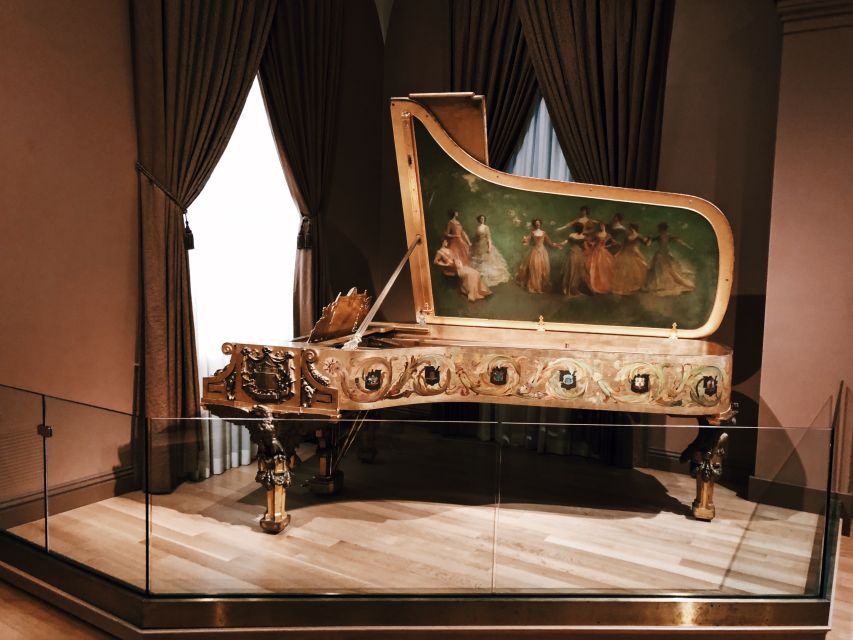
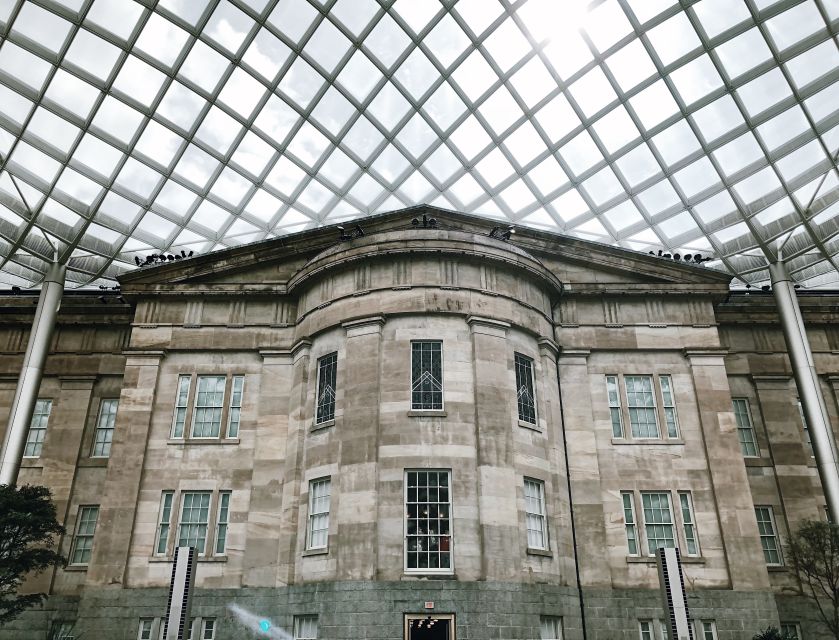
The building you start in has its own plot twist. Long ago, it served as a Civil War–era hospital, and poet Walt Whitman helped injured soldiers there. Today, the National Portrait Gallery uses that same setting to frame a different kind of “battle”: the fight to define who belongs in an American story.
What I like about starting here is that you get a natural sense of continuity. The museum building has been used for art-related exhibits since 1829, before it became the portrait museum it is today. So even before you reach any famous faces, you’re already in an American timeline.
Entering the National Portrait Gallery: Presidents, Pioneers, and Power
The National Portrait Gallery is built for people who think portraits are more than pretty faces. You’ll see portraits of the women and men who helped build the United States, with Presidents and first ladies front and center. You’ll also run into Civil War leadership—think Grant and Sherman—so the gallery doesn’t treat history as distant.
Then the tour widens the lens. It moves from iconic leaders to the kinds of images that shaped how the country imagined itself. That includes 19th-century daguerreotypes and early photographs. These early forms matter because they’re not just records; they’re how fame and authority traveled before mass media looked the way it does now.
Presidential Portraits and the “Why” Behind Iconic Faces
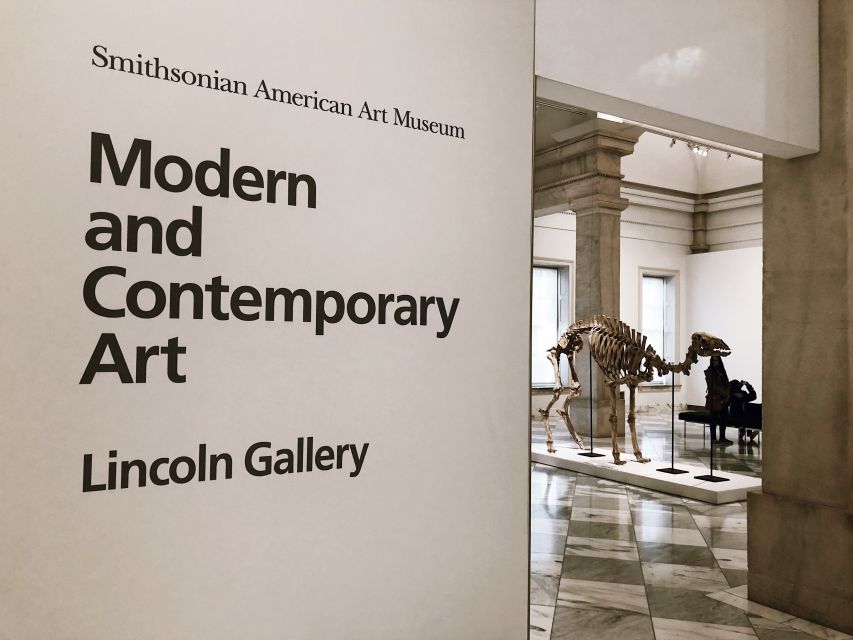
Presidential Portraits are the obvious headline. But the value here is what your guide does around them. A good moment is when you’re not just looking at a painted likeness or an official image—you’re learning what makes certain portraits memorable in the first place.
This tour is designed to help you connect the dots between art and public identity. You’ll learn the mystery behind some iconic pieces, meaning you’ll get context that makes you ask better questions while you’re standing there. If you’ve ever walked through a museum and felt like you were staring at labels, you’ll appreciate the difference: you’ll be given prompts, and your guide ties the art to the era that created it.
From Daguerreotypes to Robber Barons and Suffragettes
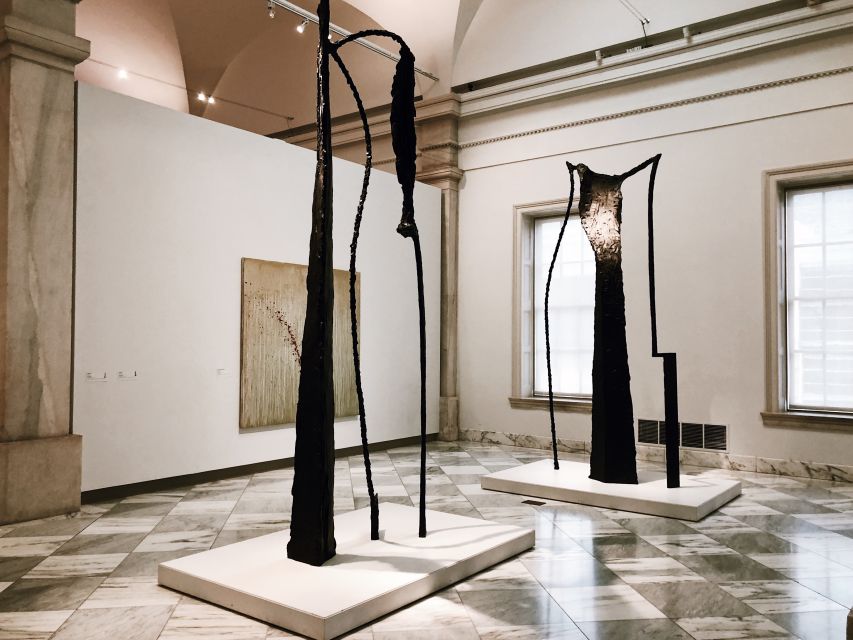
The National Portrait Gallery portion follows the evolution of American art and the shifting power structures behind it. After the early photography, you’ll move toward the early 20th century. That’s where you’ll see themes tied to the rise of the business elite—often discussed through figures like the Robber Barons—and also the growing momentum of women’s suffrage.
This is one of the best parts for first-time museumgoers. You’re not expected to already know the terms. Your guide helps you see how art choices—what gets painted, photographed, and preserved—mirror social change. And you’ll likely notice how the gallery’s “portraits” aren’t only faces. They’re status, influence, and ideology, expressed through style and attention.

The Greensboro Lunch Counter: Civil Rights Right in the Middle
A standout stop is the Greensboro Lunch Counter, described as a touch point of the Civil Rights Movement. It’s the kind of object that changes your pace. You may start the tour thinking about portraits and paintings, but this brings you back to action—what people did when they refused to accept the world as it was.
For your brain, it works like a reset button. After learning about who was portrayed and why, you get a direct reminder that history also happens in everyday places. The Lunch Counter moment is valuable because it anchors the art-world story in real social pressure and real resistance.
American Art Museum Highlights: Cassatt, Hopper, Hockney, and O’Keeffe
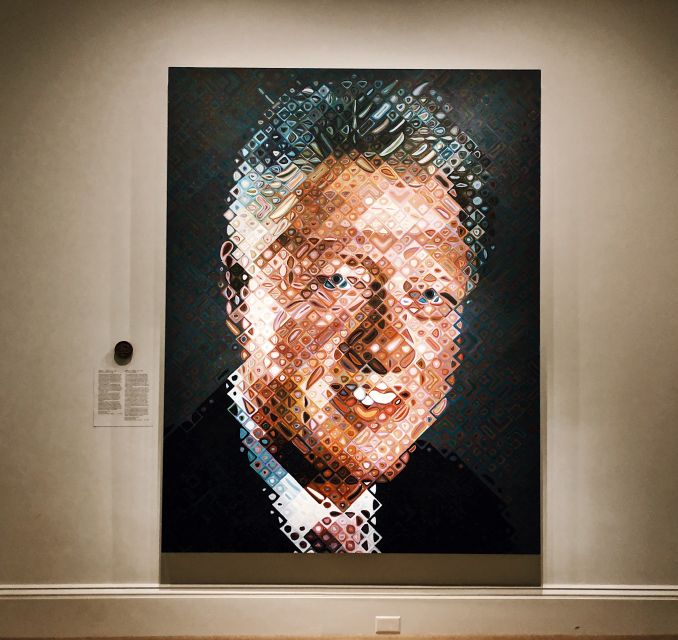
After the portrait museum, you shift gears to the American Art Museum. This is where your tour expands from faces and historical record into style, mood, and modern visual thinking. Artists you’ll see include Mary Cassatt, Edward Hopper, David Hockney, and Georgia O’Keeffe.
Cassatt helps you feel the Impressionist connection—how everyday scenes and light become the subject. Hopper is a different kind of American mood, quieter and lonelier, and you’ll likely notice how space and stillness do the storytelling. Hockney brings a brighter, more contemporary energy, and that can help you compare how “America” looks when the lens changes.
O’Keeffe’s flowers are described as provocative, and that’s exactly the point. You’re not just looking at flowers as plants; you’re looking at how scale, cropping, and bold choices can turn something familiar into something that feels new and slightly unsettling.
Seeing the Slightly Odd Obama Portrait (and Why It’s Useful)
One of the tour’s more memorable contrasts is the slightly odd portrait of former president Obama. This sounds like a throwaway detail, but it’s actually a useful reminder: portraiture isn’t only about flattering accuracy. Sometimes it’s about interpretation.
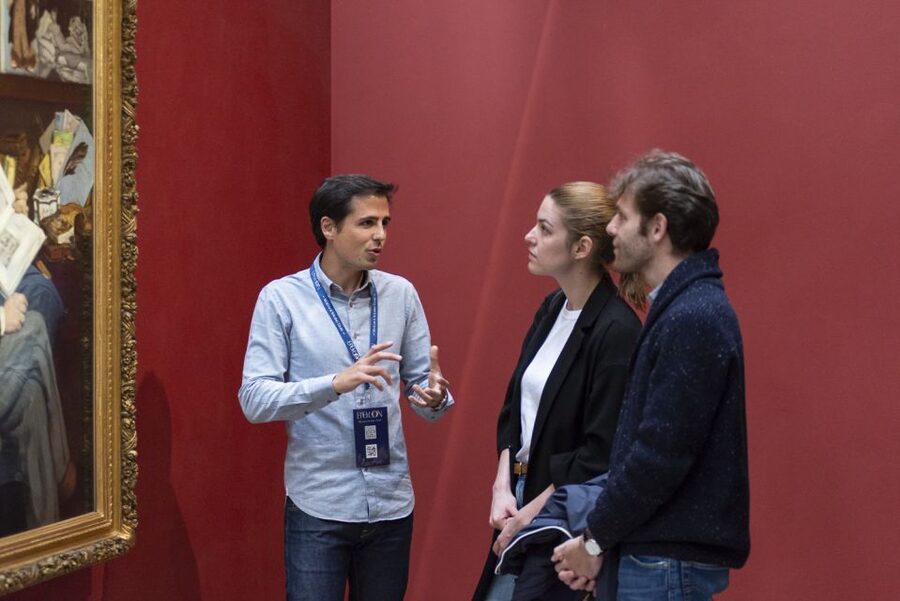
This is where the guide’s role really matters. When the art doesn’t feel instantly obvious, a good guide helps you read it without spoiling it. You’ll get suggestions for what to look for—expression, composition, and the choices that make the portrait feel like a statement rather than a photo replacement.
WPA-Era Photographs and Modern Works That Need a Hand
As you continue in the American Art Museum, you’ll encounter WPA-era photographs tied to the Great Depression era. This part is valuable because it shows photography as a tool for defining a nation, not just documenting it. You’ll likely see how images were used to shape how people understood daily life during difficult times.
Then the tour continues into more modern works that may leave you scratching your head at first. That’s normal. Art from later decades often plays games with expectation. The tour’s advantage is that you don’t have to solve it alone—your expert guide helps bring the bigger picture into focus so the confusion becomes productive rather than frustrating.
Why the Guide Changes Everything (Leigh, Bess, and Tony Stand Out)
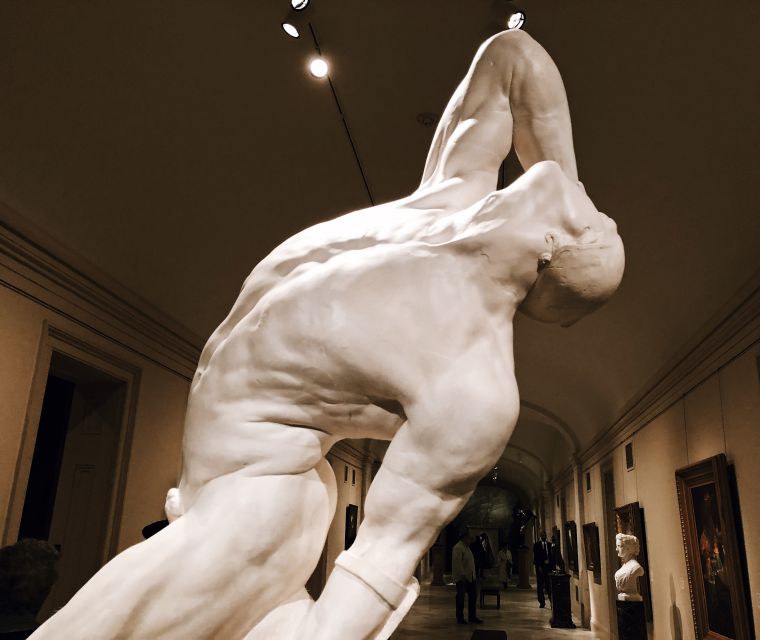
The single biggest strength of this experience is the guide quality. In the past, guides like Leigh and Bess have been praised for being clear, interesting, and strong from start to finish. Tony has also been recognized for friendliness and for adapting what you see based on your own experiences and what you ask.
That matters because these museums are big. Without guidance, you can easily pick the wrong rooms, miss key themes, or spend too long on pieces that don’t connect to your interests. With an art historian leading the pace, you get a purposeful route—and the sense that you’re learning something meaningful in the same time you’d spend wandering.
How the 150 Minutes Are Used (and what you’ll likely prioritize)
The tour runs about 150 minutes. That’s long enough to see real highlights, but short enough that you won’t feel like you’re stuck inside one wing all day. The structure is basically: National Portrait Gallery first, then a shift to the American Art Museum, with a continuous thread about how American identity evolves through art.
In that time, you’ll get:
- Presidential portraits and leadership figures at the National Portrait Gallery
- Early photography plus themes like Robber Barons and suffragettes
- The Greensboro Lunch Counter as a Civil Rights connection
- Big-name American artists in the American Art Museum
- WPA-era imagery and modern works with interpretation support
The trade-off is that you won’t be doing a slow, full museum survey. You’re here for guided highlights with context, not for a deep independent marathon.
Value for $95: A Professional Guide for Two Museums
At $95 per person for roughly 2 to 2.5 hours, the price makes the most sense if you value guided interpretation. You’re paying for a professional art historian guide, and the tour targets high-impact rooms and recognizable names across both museums.
If you’re the type who likes walking out of a museum feeling smarter, this kind of structure tends to deliver good value. Two museums in one session also saves time. Instead of splitting your effort across separate visits, you get the narrative arc of how portraiture and American art reflect changing culture.
Practical Tips: ID, Bags, Walking Pace, and Quiet Rules
Plan like a museum day, not like a sightseeing bus tour. Bring a passport or ID card. Also note the bag rules: only handbags or small, thin bag packs are allowed through security. Leave luggage and large bags behind if you can.
Expect a moderate amount of walking. That’s not a dealbreaker for most people, but it does affect how you should dress and how you manage energy.
Inside the museums, some rooms have rules that require quiet or restricted talking. Your guide should brief you before you enter those areas, which is helpful because it sets expectations and keeps the experience respectful for everyone.
Finally, museum openings can shift sometimes. If the museum opening time is delayed more than 1 hour from the tour start, the tour supplier will provide an appropriate alternative, but refunds or discounts aren’t provided in those cases. So if your schedule is tight, it’s smart to keep a little buffer.
Should You Book This National Portrait Gallery + American Art Tour?
I’d book this if you want an American art learning experience that stays human and readable. It’s especially good for:
- First-timers in Washington DC who want the big hits without getting lost
- People who like stories tied to what they’re seeing, not just facts in labels
- Anyone curious about how portraits, photography, and political identity connect
- Groups that enjoy asking questions during the walk
I’d think twice if you’re very sensitive to walking or you need a wheelchair-suitable format, since the tour isn’t listed as suitable for wheelchair users. If accessibility is a priority, advise when booking and confirm what’s possible.
For most people, the decision is simple: for one price, you get guided highlights across two museums plus strong context—exactly the kind of museum time that feels like it was planned, not just spent.
FAQ
How long is the tour?
The duration is 150 minutes, which is about 2 to 2.5 hours.
What does the $95 per person price include?
It includes a professional art historian guide and access to the guided highlights at the National Portrait Gallery and the American Art Museum.
What is not included in the tour price?
Hotel pickup or drop-off, temporary exhibits, and luggage or coat storage are not included.
Where do I meet the tour?
The meeting point may vary depending on the option booked.
What do I need to bring?
Please bring valid photo ID (passport or an ID card).
Are there bag or luggage restrictions?
Yes. Only handbags or small thin bag packs are allowed through security. Luggage or large bags are not allowed.
Is the tour available every day?
The experience is listed as available daily.
Is the tour suitable for wheelchair users?
The information provided lists the tour as not suitable for wheelchair users, though you’re advised to mention wheelchair accessibility needs when booking.
More Tour Reviews in Washington Dc





More Smithsonian Halls


Just Added: Fresh Washington DC Reviews
- Washington : Private Custom Walking Tour With A Guide (Private)★ 3.5 · 3 reviews
- 3-Hour Small Group Memorial Tour in Washington, D.C.★ 4.0 · 3 reviews
- Washington DC Private Guided Bus Day Tour with Step Off Guide★ 5.0 · 3 reviews
- Washington, DC: The Good Liar: Brian Curry★ 5.0 · 3 reviews
- DC Monuments Walking Tour: Small Group, Big Ideas★ 5.0 · 3 reviews
- Washington DC: Library of Congress Private Tour with Tickets★ 5.0 · 3 reviews
Smithsonian & Museum Tours, side by side.
 ★ 4.5Guided African American History Tour with Reserved Museum EntryFrom $891,180 reviews
 ★ 4.8Museum of the Bible General AdmissionFrom $34494 reviews
 ★ 5.0Smithsonian Museum of Natural History – Exclusive Guided TourFrom $89446 reviews
 ★ 4.5African American History Tour with Museum of African American History TicketFrom $90390 reviews
 ★ 4.5National Mall Tour with 10 Stops & U.S. Capitol or Museum EntryFrom $59331 reviews
 ★ 4.9African American History Tour & Museum EntryFrom $89312 reviews
 ★ 5.0Smithsonian Museums Walking Tour with Reserved Air & Space EntryFrom $79297 reviews
 ★ 4.5Capitol Combo: U.S. Capitol + Library Congress or Capitol MuseumFrom $79294 reviews
The lists this tour appears in