
Review · OLD TOWN ALEXANDRIA TOURS
Discover Alexandria: Historic Homes, Churches, and Taverns!
A short stroll, big story. This Old Town Alexandria tour ties together George Washington’s time here, early tavern culture, and the buildings you walk past without understanding. I especially like the mix of Revolution-era stops with street-level details like fire marks on houses. One thing to consider: it’s 90 minutes on foot, so cold mornings or hot afternoons can make pacing more important than you expect.
Meet the guide and you’re off at 221 King St, where you’ll get a clear overview quickly and then slow down for the good stuff. I like that the tour points out what to notice on the facades, not just what to read on plaques. The only downside is that Alexandria history is layered, so if you want ultra-deep specifics on one single topic, you may wish for more time after the walk ends.
In This Review
- Key highlights before you go
- George Washington’s Alexandria feels real on this walking route
- The two houses tied to Washington, and the end-of-war social moment
- Taverns, talk, and how early Americans shared news
- Fire marks on houses: the clue story behind the quirky markings
- Tiny houses before the term existed
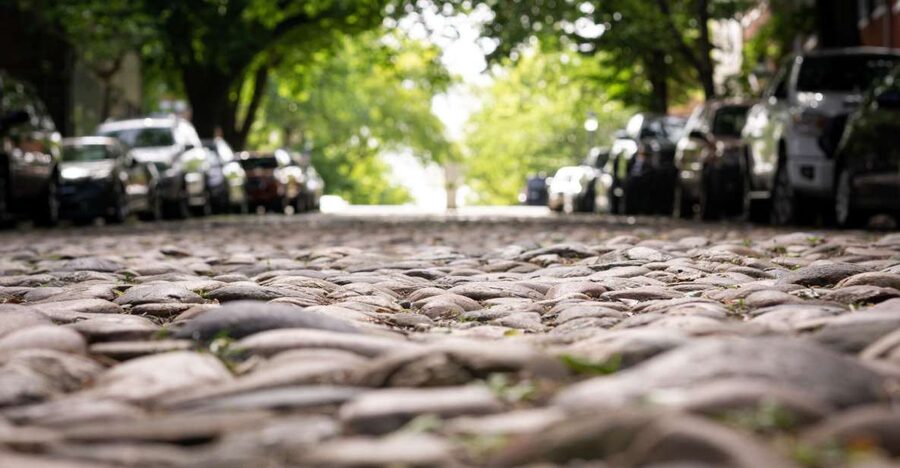
- Captain’s Row: cobblestones, photos, and a name with a story
- Carlyle House and the Revolution energy in Alexandria
- Civil War prisons and the 30-hospital footprint
- Pace, guides, and why the group energy matters
- Getting started at the Visitor Center on King Street
- Price and value: why $30 makes sense for this format
- Should you book this Alexandria history walking tour?
- FAQ
- How much does the Alexandria walking tour cost?
- How long is the tour?
- Where do we meet for the tour?
- Is the tour in English?
- Is the tour wheelchair accessible?
- What is the cancellation policy?
Key highlights before you go
- Two George Washington houses in Alexandria, plus what his connection looked like on the ground
- Tavern history in early America, tied to the way people met, traded news, and debated ideas
- Pre-Revolution homes and churches, so you can spot what survived when the era was still forming
- Fire history and the quirky marks on houses, which makes old neighborhoods feel less mysterious
- Captain’s Row, a cobblestone street with an easy spot for family photos
- Civil War-era sites, including where a major prison was located and the town’s hospital footprint
Down to Old Town Alexandria, a few more
- Discover Alexandria: Historic Homes, Churches, and Taverns!
★ 5.0 · 26 reviews - Alexandria Ghosts: Spirits & Spirits Haunted Pub Crawl
★ 3.4 · 21 reviews - Alexandria: Phantoms of the Potomac Walking Tour
★ 3.6 · 18 reviews - Alexandria: American Revolution Guided Walking Tour
★ 5.0 · 13 reviews
George Washington’s Alexandria feels real on this walking route
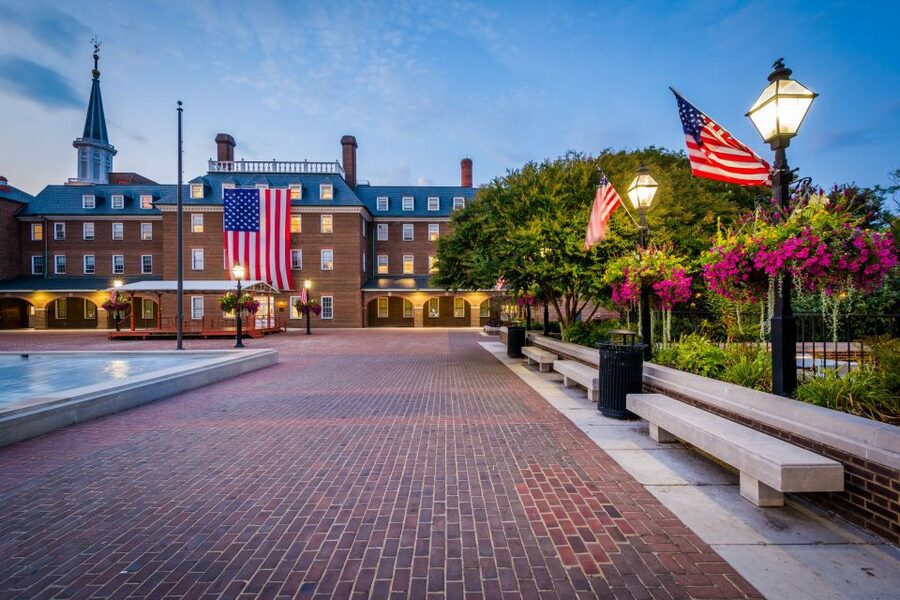
Alexandria is the kind of place where history isn’t locked behind glass. It’s in the streets, the angles of the buildings, and the small clues that only start to make sense once someone puts them in context. This tour leans hard into that street-level approach. You start in the neighborhood of George Washington’s Alexandria, then keep walking so the stories build instead of feeling like separate facts.
My favorite part is how the tour doesn’t treat Washington as a distant statue. It treats him like a person moving through a town. You’ll learn how Alexandria fit into his world—where he lived, how the town shaped daily life, and what the end of the Revolutionary War looked like socially, not just politically.
The second thing I like is the way the guide trains your eyes. You see homes and churches that pre-date the Revolutionary War, then you understand why they matter. After that, you notice the differences faster than if you were just reading dates at random. That makes the walk feel efficient: you get your bearings quickly, and then every next stop pays off.
The two houses tied to Washington, and the end-of-war social moment
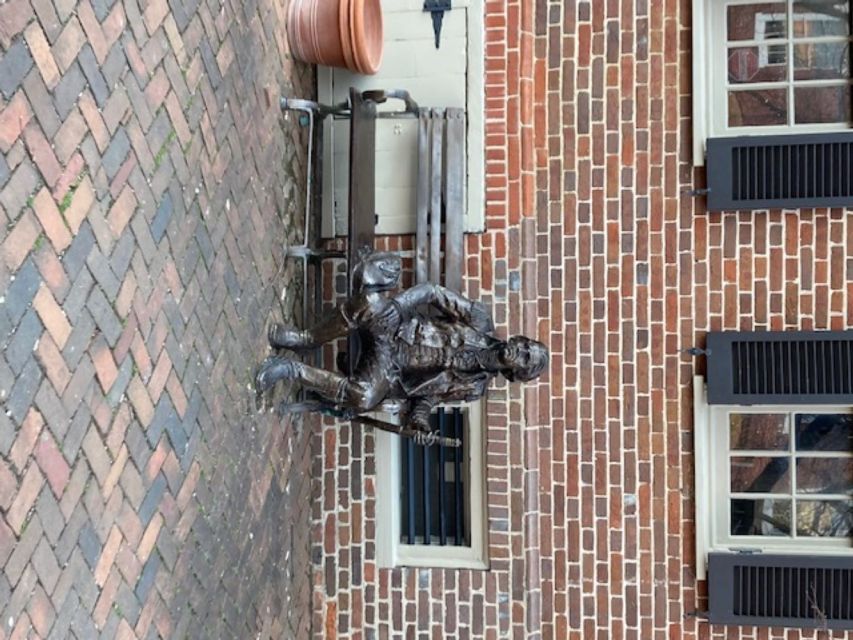
One of the standout themes is simple: George Washington had not one but two houses in Alexandria. The tour shows you those locations and explains how Washington’s connection to this town worked in real life. That matters because so many Washington stories focus on big national scenes. Here, you get the local version—the smaller choices and the day-to-day reality behind the headlines.
You’ll also learn about a specific social moment: where Washington celebrated the end of the Revolutionary War with friends and neighbors. That’s the kind of detail that turns history from a list into a scene. You can imagine the conversations, the excitement, and the mix of relief and uncertainty that followed the fighting.
If you’re a Washington fan, you’ll enjoy how the guide keeps linking the buildings back to the people. If you’re not, you’ll still likely appreciate the framing: Alexandria wasn’t just a stop on a map. It was a working community with ties to the country’s earliest power centers.
Practical tip: when you’re standing outside, slow your pace a bit. Let the guide point out the features that would be easy to miss. Old houses can look similar at first glance, but the tour helps you separate them.
Taverns, talk, and how early Americans shared news
This is not a tour that treats taverns like background flavor. It explains the history of taverns in early America and connects that culture to how people lived and communicated. In a town like Alexandria—active, connected, and constantly trading news—taverns mattered. They were meeting spots, rumor hubs, and informal civic spaces.
I like that the tavern story is woven into the rest of the walk instead of becoming a separate lecture. You see tavern history as a system: where people gathered, why it mattered, and how talk could shape opinions. It’s a good reminder that revolutions are not only made in battles. They are built from conversations that start long before anyone declares independence.
If you enjoy human-scale history—food, talk, daily life—this part is a big win. If you prefer strictly military details, you’ll still get value because the guide shows how social spaces supported the political energy of the era.
Fire marks on houses: the clue story behind the quirky markings
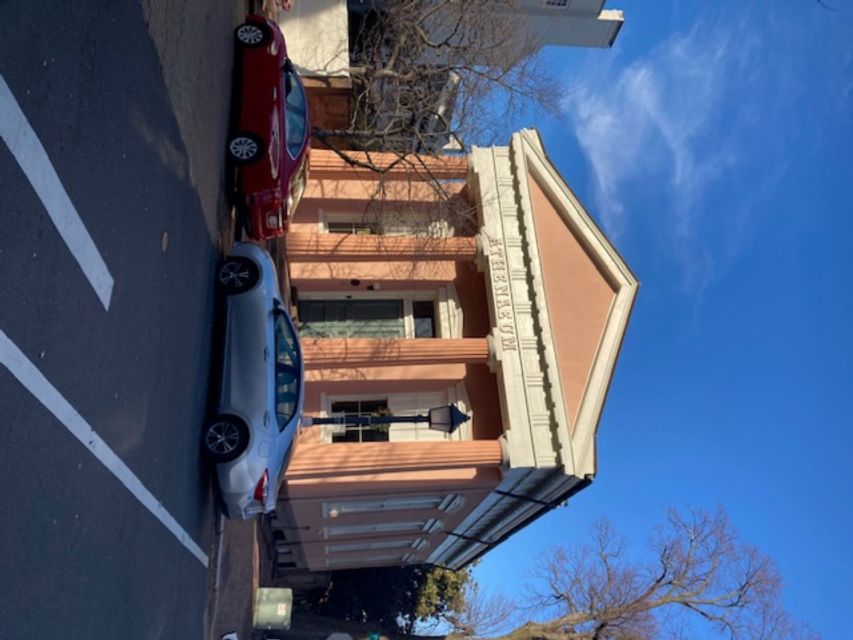
Alexandria has fire history, and the tour uses it to decode those quirky marks you might otherwise chalk up to weathering or decoration. Instead of ignoring the odd little symbols and irregularities, the guide explains the story behind them. That’s how you learn to read a historic neighborhood like a puzzle.
This is one of those moments where the tour changes your experience of the town. Marks that look random start to feel intentional. You begin to connect risk, rebuilding, and the way communities responded to disaster. It also helps you understand why some buildings and streets feel the way they do today.
Don’t rush this part. Stand close enough to see what the guide is pointing at. In walking tours, the temptation is to keep moving. Here, you’ll get more by slowing down for a minute and letting the explanation land.
Deeper into the capital past

Tiny houses before the term existed
Alexandria was a pioneer in the tiny house movement, and the tour makes sure you see two examples. One is famous, and one is the kind of thing people walk by without noticing. The guide gives you the reason to look, not just the location.
This section is fun because it puts a modern idea into an older context. It also shows how small housing wasn’t always about lifestyle branding. Sometimes it was about economics, space, or how people adapted to the realities of living in a working port town.
If you like architecture and urban planning at a human scale, this part should click for you. If tiny-house trends feel like a social media topic to you, you’ll likely appreciate seeing the deeper practical roots behind them.
Captain’s Row: cobblestones, photos, and a name with a story
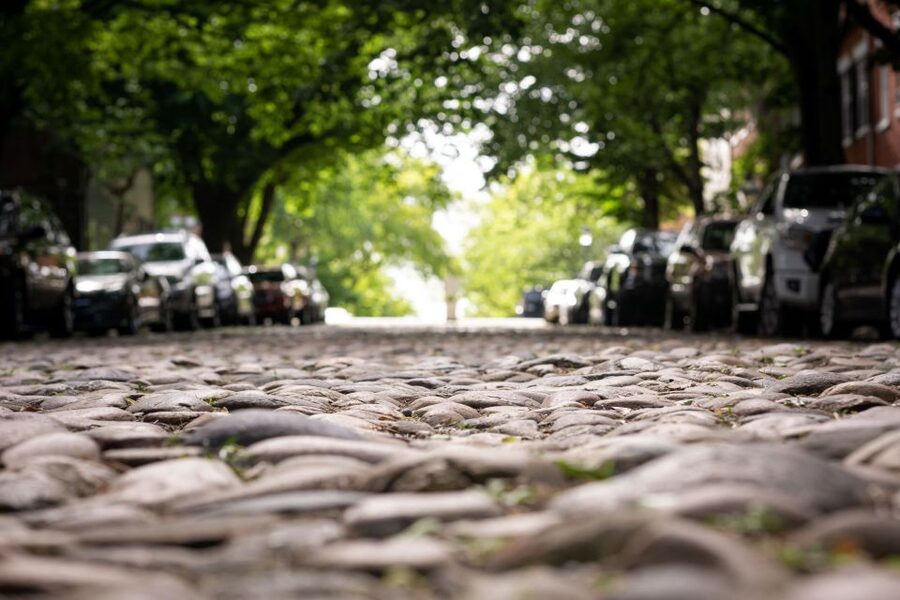
You’ll hear how one of Alexandria’s iconic cobblestone streets got the name Captain’s Row. Then you’ll understand why it matters. Street names can sound like trivia until someone connects them to the people and patterns of the town.
The tour also encourages you to use the stop well. Captain’s Row is a go-to spot for family photos. So yes, you’ll get a practical moment to pause, frame, and capture the look of Old Town without feeling like you’re interrupting the tour.
Here’s my advice: treat it like a rest break. Walk, stand, take the photo, and reset your legs before the next historical stretch. It’s an easy way to make the overall 90 minutes feel less rushed.
Carlyle House and the Revolution energy in Alexandria
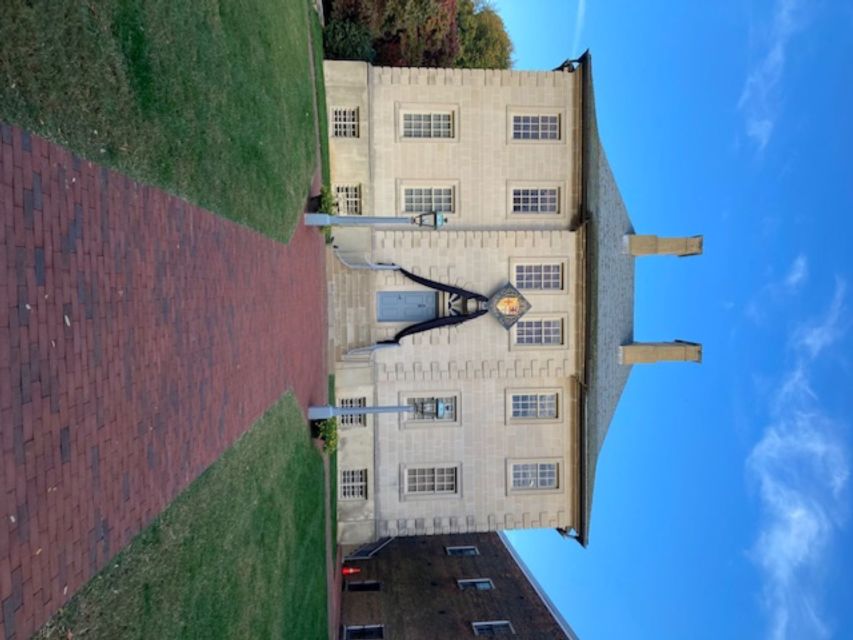
This is one of the tour’s most compelling claims: the American Revolution was born here. The guide explains how significant events were taking place in Alexandria about 20 years before the Battle of Lexington and Concord.
You’ll see what happened at the Carlyle House, and you’ll get context for why Alexandria was part of the growing push toward independence long before the famous opening battles. It’s a useful shift if your mental map of the Revolution is mostly confined to the Massachusetts milestones.
I also like how this section connects time. You’re not only told what happened. You’re shown the tempo—how ideas and organizing came together earlier than many people expect.
If you’re traveling with kids or teens, this part can help. It frames the Revolution as a process. It’s not just a date. It’s a chain of events, happening in places you might not guess.
Civil War prisons and the 30-hospital footprint
The tour doesn’t shy away from darker history. It helps you locate where one of Alexandria’s most famous Civil War prisons was located. It also covers something many people miss: Alexandria had 30 hospitals during the Civil War, and the guide shows where some of them were located.
That hospital story is especially important because it changes the way you picture the town during wartime. You tend to imagine battlefields and far-off treatment. Here, you see that Alexandria became a medical hub. The guide’s approach helps you connect the physical footprint to the human reality of the period.
This section can feel heavier, but it’s also incredibly grounding. It turns “Civil War history” into specific locations you can mentally place on the map. And because you’re already seeing the town through Washington and Revolutionary threads, the contrast makes the Civil War chapters hit harder.
If you like to understand how cities function under stress—logistics, care, containment—this part gives you that bigger view without losing the on-the-street feel.
Pace, guides, and why the group energy matters
This is a 90-minute walking tour with a live English guide. That duration is long enough to build a real narrative, but short enough to fit into a day of sightseeing without wiping you out. The value is in the cohesion: you’re not bouncing between random stops. You’re moving through a linked story of Washington, taverns, early America, and wartime Alexandria.
One reason people seem to love it is the guide style. Guides like Tim, Wayne, and Eileen show up in the experience with a mix of dedication, humor, and real preparation. On days when other plans fall apart or the weather turns, the guide focus stays on keeping the tour meaningful. I’d treat that as a sign of how the tour is run: it’s not a “read from a card and move on” situation.
The tour also has a reputation for handling pacing in a human way. On hot days, you’ll appreciate a guide who keeps you in shade or indoor breaks when possible. On cold days, it helps to have someone prepared to start promptly and keep you comfortable.
My practical advice: wear comfortable walking shoes and bring a water bottle. Even if you’re the type who enjoys history museums, 90 minutes of Old Town walking adds up.
Getting started at the Visitor Center on King Street
You’ll meet at the Visitor Center at 221 King St. There’s a bathroom on the bottom level, plus water and tourist information. Your guide will be on the porch or inside, so keep an eye out near the entrance when you arrive.
This meeting point is handy because it gives you basics before you step into the streets: a quick restroom stop, a drink of water, and a chance to orient yourself. It also reduces the stress of “Did I miss them?” which matters on a walking tour.
If you’re using public transit or parking nearby, give yourself a few extra minutes. Old Town can be busy, and you want to start relaxed.
Wheelchair access is listed, so if you need that, you can plan around it with confidence. Still, for any accessibility needs, it’s smart to think ahead about uneven sidewalks and cobblestones in Old Town.
Price and value: why $30 makes sense for this format
At $30 per person for 90 minutes, you’re paying for something you can’t easily DIY: a guided connection between locations and the stories that explain them. Anyone can walk around Old Town with a guidebook. Fewer people will naturally connect fire history marks, pre-Revolution architecture, tavern culture, and Washington’s two houses into one flow.
The value is in the way the tour makes you notice details. Once you’re trained to look, the rest of Alexandria gets easier to interpret. You leave with a mental map of why places matter, not just where they are.
Also, the guide energy matters here. When a tour runs well, it feels like you got a local friend with time and good notes. When it runs poorly, it feels like a rushed checklist. This one is built to avoid the checklist vibe.
Should you book this Alexandria history walking tour?
Book it if you want an Old Town Alexandria experience that feels like story-driven walking, not museum roaming. You’ll likely get the most out of it if you care about George Washington’s ties to the town, early tavern culture, and the way Revolutionary and Civil War chapters overlap in physical places.
Skip it only if you want a long deep-specialist treatment of one topic. This tour covers many eras in 90 minutes, so it gives breadth and context more than it gives a single topic at textbook depth.
If you’re trying to decide between wandering on your own and taking one guided walk to set you up for the rest of your day, this is the type of tour that earns its spot early.
FAQ
How much does the Alexandria walking tour cost?
The tour costs $30 per person.
How long is the tour?
It lasts 90 minutes.
Where do we meet for the tour?
Meet at the Visitor Center at 221 King St.
Is the tour in English?
Yes, the live tour guide provides the tour in English.
Is the tour wheelchair accessible?
Yes, wheelchair access is listed.
What is the cancellation policy?
You can cancel up to 24 hours in advance for a full refund.
The Capital Past, Up Close

More Tour Reviews in Alexandria Virginia





Down to Old Town Alexandria
Just Added: Fresh Washington DC Reviews
- Alexandria & Mt Vernon Tour★ 4.4 · 3 reviews
- Alexandria: Walking Through George Washington’s Alexandria★ 5.0 · 4 reviews
- Old Town Alexandria: Southern Comfort Food & History Tour★ 4.7 · 11 reviews
- Alexandria: Ultimate Dead of Night Walking Ghost Tour★ 4.4 · 11 reviews
- Alexandria: American Revolution Guided Walking Tour★ 5.0 · 13 reviews
- Alexandria: Phantoms of the Potomac Walking Tour★ 3.6 · 18 reviews
Old Town Alexandria Tours, side by side.
 ★ 4.0Mount Vernon and Old Town Alexandria Day Trip from Washington DCFrom $99874 reviews
 ★ 4.6From Washington DC: Old Town Alexandria & Mount Vernon TourFrom $109393 reviews
 ★ 4.5Mount Vernon Guided Estate Tour plus Old Town Alexandria from DCFrom $109307 reviews
 ★ 5.0Old Town, Alexandria and Mount Vernon Private TourFrom $1,04483 reviews
 ★ 4.0Water Taxi from Wharf or Old Town AlexandriaFrom $1965 reviews
 ★ 4.0Holiday Lights Tour of Washington DC and Old Town AlexandriaFrom $6964 reviews
 ★ 3.7Alexandria: Full-Day Bike Tour to Mt Vernon w/ Optional BoatFrom $7450 reviews
 ★ 3.5George Washington’s Mount Vernon & Old Alexandria Half-Day Guided Tour from DCFrom $9948 reviews
The lists this tour appears in