
Review · DC FOOD TOURS
DC’s Original Food & History Neighborhood Tour
Food and civil rights walk together in U Street. On this DC Original Food & History Neighborhood Tour, you get lunch-style tastings while a local guide connects what you’re eating to what happened on the street—Jazz Era clubs, murals, architecture, and the civil rights riots that reshaped the city.
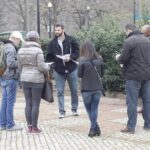
I especially like the small groups (up to 8) and the way the guide—often named Rasheed or Jim in the feedback—keeps the history clear and fun, not lecture-y. One tradeoff: it’s a real walking tour, about 3 miles in 2 hours, rain or shine, so comfy shoes matter.
In This Review
- Key reasons this tour works so well
- Why U Street feels like real DC
- Lunch-style tastings that actually fill you up
- The 3-hour route: what you do at each stop
- Stop 1: Ben’s Chili Bowl to set the tone
- Stop 2: Regional food on U Street
- Stop 3: Photo stop plus guided history and street details
- Stop 4: Another U Street regional food stop
- Stop 5: Second photo stop with more art and architecture
- Stop 6: Finish at Colada Shop
- How the Jazz Era and Black Broadway stories land
- What you should expect from the group and pacing
- Price and value: is $112 a fair deal?
- Who this tour is best for
- Practical tips so you enjoy every stop
- Should you book this tour?
- FAQ
- How long is the DC Original Food & History Neighborhood Tour?
- How much does the tour cost?
- Where does the tour start and where does it end?
- What food is included?
- Is the tour good for vegetarians or people with allergies?
- Is the tour wheelchair accessible?
- How far do you walk?
- How big is the group?
- What’s the cancellation policy?
Key reasons this tour works so well
- Lunch-style tastings across multiple local stops, not just snacks
- U Street beyond the monuments, focused on where locals actually live
- Black Broadway and the Jazz Era explained through the places you stand
- Street art, murals, and architecture tied to the stories behind them
- Guides like Rasheed and Jim who make history easy to follow
- A meaningful cause: part of your ticket supports Bread for the City
Still hungry? More DC bites and food walks
- Delicious Donuts of Downtown DC: A Sweet City Experience
★ 5.0 · 512 reviews - Georgetown Foodie Culinary Tour & Neighborhood Walk
★ 5.0 · 437 reviews - Gastronomic Georgetown Walking Food Tour
★ 4.5 · 373 reviews - Washington’s Hidden Gems Food Tour with 6+ Tasty Bites
★ 4.5 · 292 reviews
Why U Street feels like real DC
U Street is where DC gets personal. Not in a postcard way. In a lived-in way. You walk a corridor with music history in the walls, and you can still feel how culture, community, and change all piled up here over time.
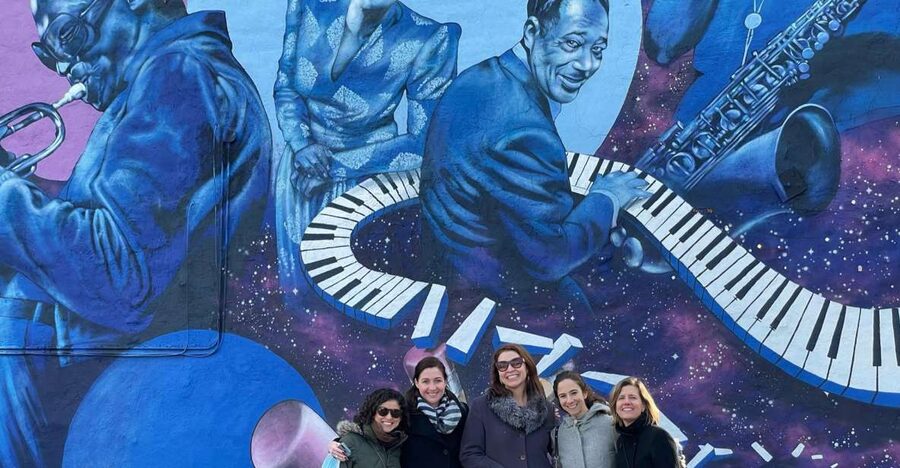
This tour is built to help you see the neighborhood with your eyes wide open. Instead of treating U Street like background, you pause for what’s in front of you—street art, building styles, and the small details that most people speed past. Then your guide puts history to those details, including the heyday of Black Broadway and why the area mattered during the Jazz Era.
And yes, you eat along the way. That matters because food is part of how neighborhoods remember themselves. You’re not just collecting facts—you’re tasting the flavors that helped shape the stories.
Lunch-style tastings that actually fill you up
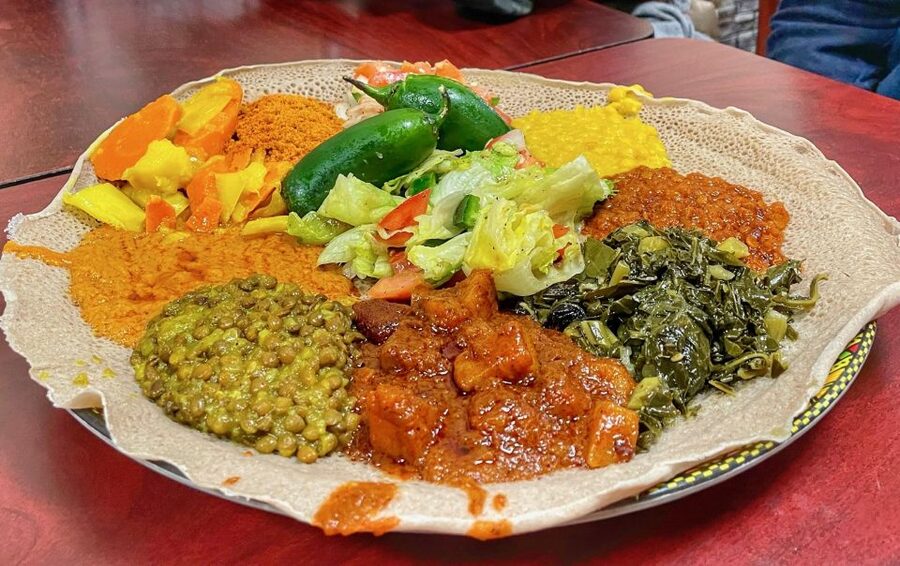
The big practical win here is that the tastings are enough for lunch. This isn’t a tour where you pay to nibble one bite and call it a meal. You’ll have multiple food stops across the 3 hours, plus water included.
Your guide also adjusts the experience based on what you told them when booking. There are vegetarian options, and accommodations can be made for food allergies or other dietary needs—just make sure you advise them ahead of time. That’s important on a walking tour where timing is everything.
One more value note: this tour includes tastings at several spots, including a classic DC starting point and a finish at Colada Shop. That structure keeps things moving so you stay fueled without feeling stuffed.
The 3-hour route: what you do at each stop
The tour runs about 3 hours and takes you through roughly 3 miles on foot (with some pauses). You’ll mostly stay together as a group of up to 8, moving at a steady walk pace with stops for food and photos.
Stop 1: Ben’s Chili Bowl to set the tone
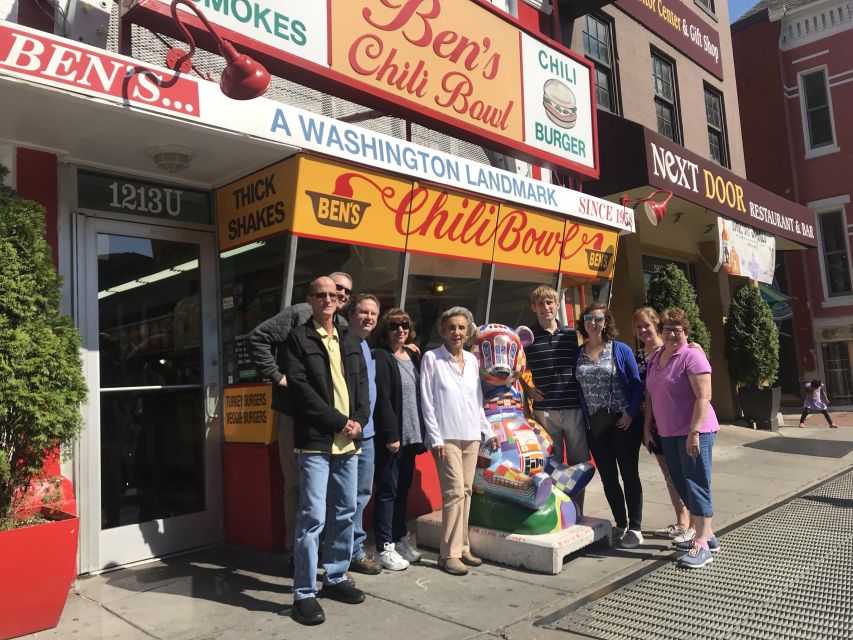
You start at Ben’s Chili Bowl, 1213 U Street NW. This is a smart place to begin because it’s instantly recognizable and very DC. It also gives you a comfortable entry point: you’re not figuring out where to go, and you’re ready to walk once you’ve had your first taste.
From there, your guide steers you deeper into the U Street corridor, connecting the neighborhood’s present to the past you’re about to learn.
Deeper into the capital past
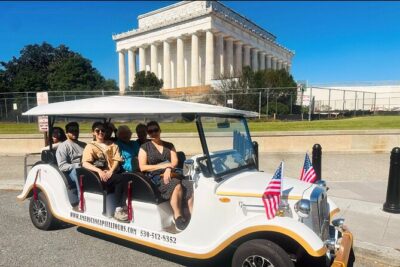
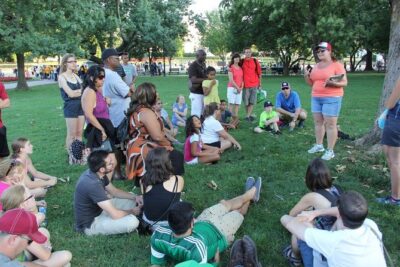
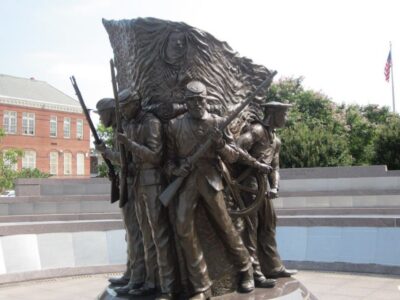
Stop 2: Regional food on U Street
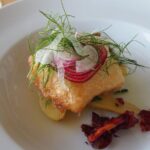
Next is regional food on U Street. This is where the tour shifts from “famous starting point” to “real neighborhood flavors.” You’re tasting foods that fit the corridor’s identity and learning how those culinary roots connect to the bigger story your guide tells.
The tour keeps a steady rhythm: taste, listen, look around, then taste again later.
Stop 3: Photo stop plus guided history and street details
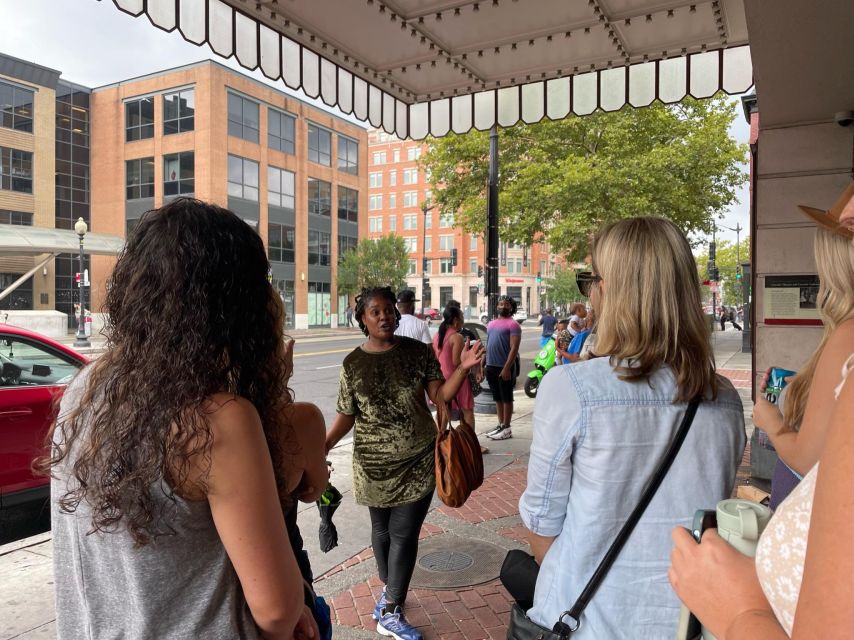
At the next U Street stop, you get a photo stop and guided walking/sightseeing. This is one of the most important parts of the experience, because this is when you start reading the street like a timeline.
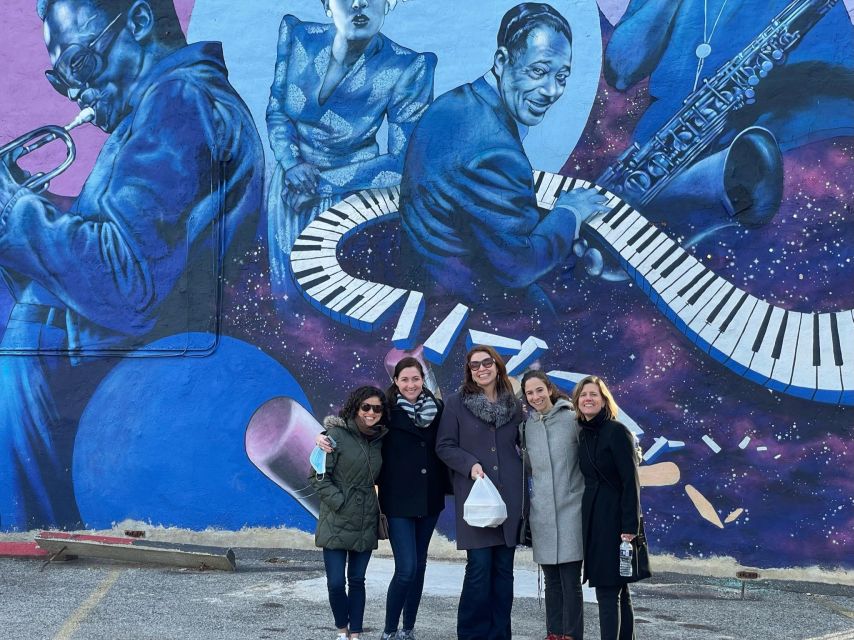
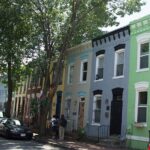
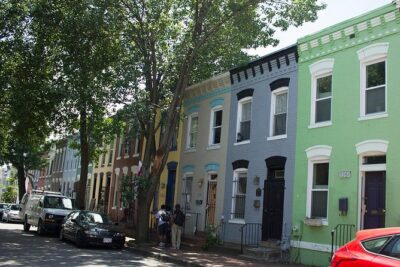
Your guide points out things you might otherwise miss—murals, sculptures, and the artists behind them, plus the architectural cues that show how the neighborhood evolved. You’ll also hear how civil rights unrest changed the city’s layout and community for years after.
You’re not just looking for interesting walls. You’re learning to connect art, place, and social change.
Stop 4: Another U Street regional food stop
Then you hit another regional food stop. By now, you’ve learned the cultural context and you’re eating with a different kind of attention. Instead of treating flavor like a reward, you treat it like evidence of a neighborhood’s identity.
This timing helps: you won’t blow your energy too early, and you don’t wait until the end to feel properly fed.
Stop 5: Second photo stop with more art and architecture
Your next U Street photo stop continues the “look closer” theme. Expect more guided sightseeing and time to photograph the street art and the building details your guide calls out.
This is also a moment to slow down mentally. U Street history can sound like big headlines—Jazz Era, Black Broadway, civil rights—but the tour keeps bringing it back to what’s visible in front of you today.
You leave this stop understanding how the neighborhood keeps changing while still holding onto its character.
Stop 6: Finish at Colada Shop
The tour ends at Colada Shop. This finish works well because it gives you a final taste and a natural stopping point after the walk and history.
At that point, you’ll have a clearer map of the corridor in your head—not just where the food was, but why each spot matters in the story your guide shared.
How the Jazz Era and Black Broadway stories land
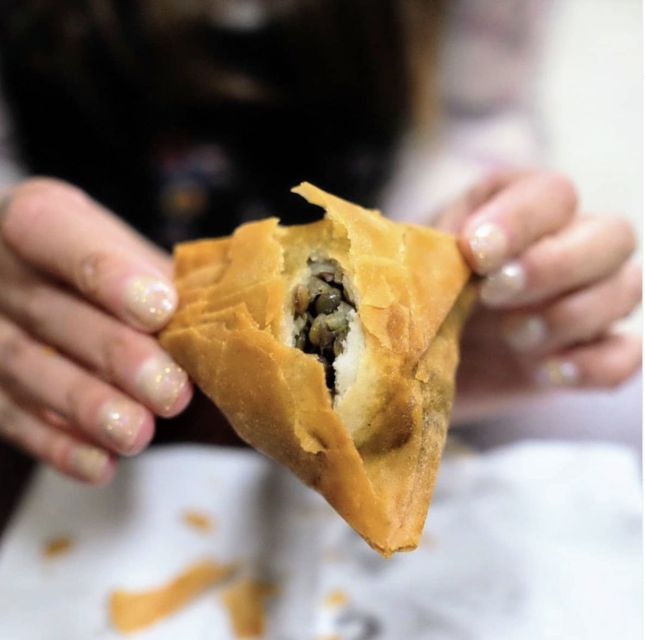
The standout theme here is how the guide ties history to what you’re standing beside. The tour focuses on the heyday of Black Broadway and the role this corridor played during the Jazz Era, including how many household names started in smaller clubs along the street.
That detail is more than trivia. It explains why U Street became a magnet for artists and audiences. It also helps you understand why civil rights events mattered here, and why the neighborhood’s story changed along with the city’s.
The guides mentioned in the feedback—Rasheed and Jim—come through as the kind of people who make the stories feel like they belong to the street, not a book. You’ll likely find yourself asking questions because the guide’s answers lead you back to visible clues: a mural, a facade, a corner that looks ordinary until you know what happened there.
What you should expect from the group and pacing
This is a small-group walking tour with a hard cap of 8 participants. That size usually means you can actually hear your guide, and it’s easy to ask dietary questions or clarifications without getting lost in a big crowd.
Pacing is straightforward: you walk, you stop, you eat. With about 3 miles covered over about 2 hours of walking, the tour is active but not extreme. Still, it’s smart to plan for the steady pace and bring shoes you’d happily wear for a neighborhood day.
And because it runs rain or shine, bring clothing you can move in comfortably. If you tend to overheat fast, dress in layers so you can adjust.
Price and value: is $112 a fair deal?
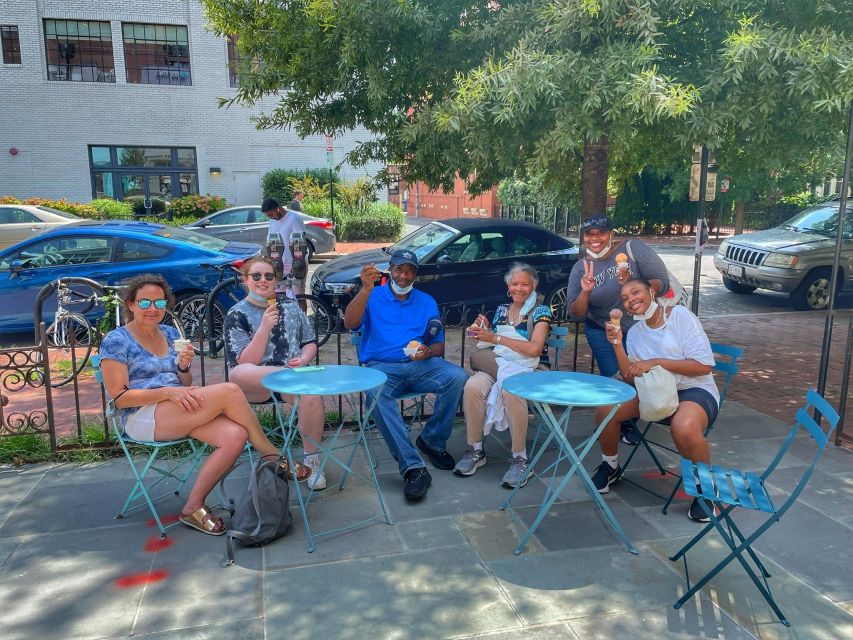
For $112 per person, you’re paying for three things that matter on tours like this:
- A local guide who connects history to the street you’re walking
- Multiple food stops with all tastings included (plus water)
- Small-group time, which generally means less crowding and more interaction
Because the tastings are designed to be enough for lunch, the price doesn’t hinge on you buying extra food to feel satisfied. You also have a social impact component: a portion of each ticket sale goes to Bread for the City, which provides services to DC locals including food, clothing, and legal and medical support.
If you want a tour that’s mainly about monuments and photo ops, this may not be the best match. But if you want the Real DC—through food, art, and the kind of history you can look at while you’re walking—$112 starts to make a lot more sense.
Who this tour is best for
This tour is a great fit if you:
- Love food tours where you actually eat multiple times
- Want neighborhood history explained through visible places
- Like street art and architecture and want the background stories
- Prefer a small group over large bus-style experiences
It can also work well as a shared activity for pairs and small friend groups. Solo travelers often enjoy it too because you’ll be moving with the guide and group the whole time, not wandering alone.
If you’re traveling with limited mobility, note that the tour is wheelchair accessible, which helps. Still, you’ll want to think about weather and sidewalks, since it’s a walking format.
Practical tips so you enjoy every stop
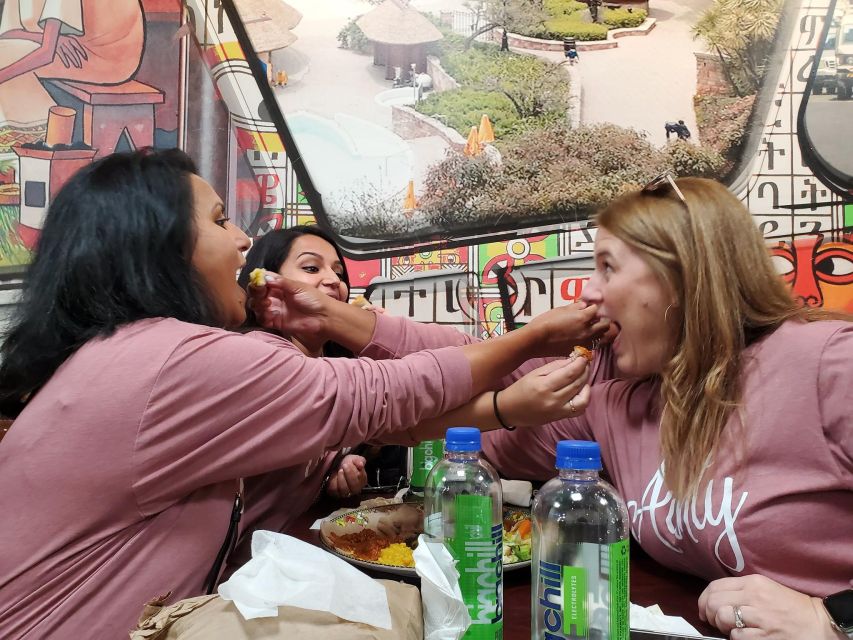
Before you go, plan around the basics:
- Wear comfortable shoes. You’re walking about 3 miles.
- Dress for the weather. It runs rain or shine.
- If you have dietary needs, tell the tour when you book. Vegetarian options exist, and accommodations can be made for allergies.
- Bring a camera-ready attitude for photo stops on U Street, where your guide will steer you toward what’s worth photographing.
Also, come hungry enough to handle more than one tasting. The tour is designed so you leave satisfied.
Should you book this tour?
I’d book it if you want DC through local texture—food, street art, and history tied to a real neighborhood. The combination of lunch-style tastings and guided storytelling is the sweet spot, and the strong feedback around guides like Rasheed and Jim points to a fun, clear approach to a topic that can sometimes feel heavy.
Skip it if you only have a very short window for DC sightseeing, or if you dislike walking tours in the rain. Otherwise, this is one of those “you’ll remember the street” experiences, not just “you’ll remember the photos.”
FAQ
How long is the DC Original Food & History Neighborhood Tour?
The tour lasts about 3 hours.
How much does the tour cost?
It costs $112 per person.
Where does the tour start and where does it end?
It starts at Ben’s Chili Bowl, 1213 U Street NW, Washington DC, 20009. The tour finishes at Colada Shop.
What food is included?
All tastings are included, along with water.
Is the tour good for vegetarians or people with allergies?
Vegetarian options are available, and accommodations can be made for food allergies or other dietary requirements. Advise your needs when booking.
Is the tour wheelchair accessible?
Yes, the tour is wheelchair accessible.
How far do you walk?
The tour covers about 3 miles in 2 hours.
How big is the group?
It’s a small group limited to 8 participants.
What’s the cancellation policy?
You can cancel up to 24 hours in advance for a full refund.
The Capital Past, Up Close


More Tour Reviews in Washington Dc






Eat DC: More Food Walks


Just Added: Fresh Washington DC Reviews
- Washington : Private Custom Walking Tour With A Guide (Private)★ 3.5 · 3 reviews
- 3-Hour Small Group Memorial Tour in Washington, D.C.★ 4.0 · 3 reviews
- Washington DC Private Guided Bus Day Tour with Step Off Guide★ 5.0 · 3 reviews
- Washington, DC: The Good Liar: Brian Curry★ 5.0 · 3 reviews
- DC Monuments Walking Tour: Small Group, Big Ideas★ 5.0 · 3 reviews
- Washington DC: Library of Congress Private Tour with Tickets★ 5.0 · 3 reviews
DC Food Tours, side by side.
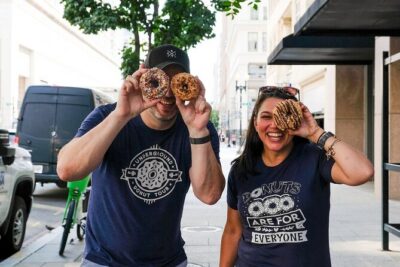 ★ 5.0Delicious Donuts of Downtown DC: A Sweet City ExperienceFrom $70512 reviews
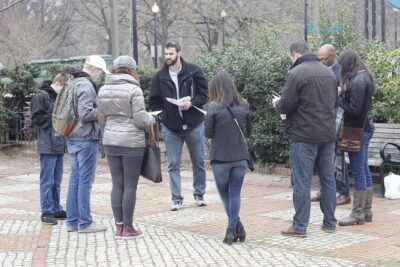 ★ 5.0Georgetown Foodie Culinary Tour & Neighborhood WalkFrom $79437 reviews
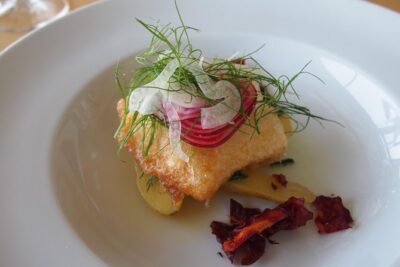 ★ 4.5Gastronomic Georgetown Walking Food TourFrom $84373 reviews
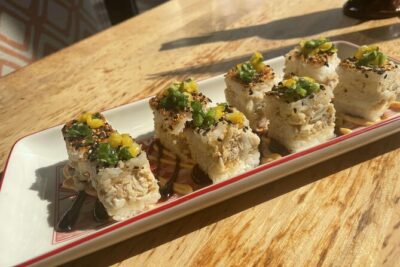 ★ 4.5Washington’s Hidden Gems Food Tour with 6+ Tasty BitesFrom $98292 reviews
 ★ 5.0DC’s Original Food and History Walking TourFrom $112255 reviews
 ★ 4.5Tastes of Georgetown Food & History Small Group Walking TourFrom $129203 reviews
 ★ 4.0Tea Around Town: High Tea Experience and Tour of Washington DCFrom $85154 reviews
 ★ 5.0Acquired Taste Food Tour in GeorgetownFrom $95105 reviews
The lists this tour appears in