
Review · GEORGETOWN TOURS
Washington, DC: Georgetown Architecture Walking Tour
Georgetown has a way of looking charming while hiding big stories. This 150-minute architecture walking tour lets you read the neighborhood like a map, from canal-era buildings to campus landmarks and the waterfront finish. You’ll get the practical layout of Georgetown, plus the backstories that explain why these places look the way they do.
Two things I really like about this tour: the architecture details are specific (not vague “pretty buildings” talk), and the guide ties those details to a clear story arc—Georgetown’s rags to riches tale and the secrets people miss on a normal stroll. In the past, guides such as Sam and Ellyn have mixed solid facts with fun, easy-to-follow explanations.
One consideration: it’s about 2 miles of walking, and it runs rain or shine unless conditions are dangerous. If you hate moving with a group pace or you’re determined to stop and shoot photos every few minutes, plan to build in extra time outside the tour.
In This Review
- Key highlights worth showing up for
- Where it starts: meet outside Baked & Wired in Georgetown
- Chesapeake and Ohio Canal to Georgetown’s power addresses
- Yellow Tavern to Pomander Walk: charming streets with context
- Volta Laboratory and Georgetown schools: science meets campus life
- Francis Scott Key Memorial, Cady’s Alley, and the Georgetown Waterfront finish
- Pacing, comfort, and the smart things to bring
- Price and value: what $43 gets you on these streets
- Who this Georgetown architecture tour suits best
- Should you book it?
- FAQ
- FAQ
- How long is the Georgetown Architecture Walking Tour?
- How much walking is involved?
- What is the price per person?
- Where do I meet the guide?
- What should I bring for the walk?
- Does the tour run in the rain?
- What’s included in the tour?
- What language is the tour delivered in?
Key highlights worth showing up for
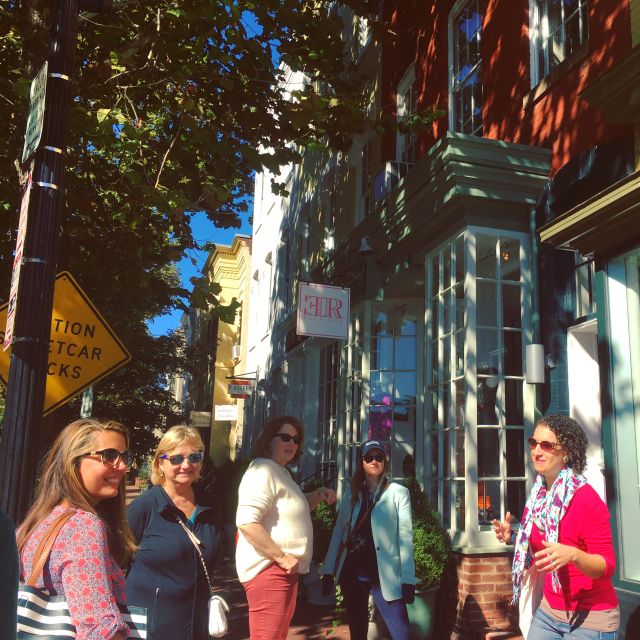
- Iconic Georgetown stops from canal edges to the Georgetown Waterfront
- Street-level architecture lessons you can actually see and point at
- Georgetown’s rags to riches tale told through historic buildings
- Science and education highlights, including Volta Laboratory and campus landmarks
- Georgetown’s small-scale charm, from historic tavern sites to Pomander Walk
- Good guide energy, with past tours led by Sam and Ellyn earning standout praise
Where it starts: meet outside Baked & Wired in Georgetown
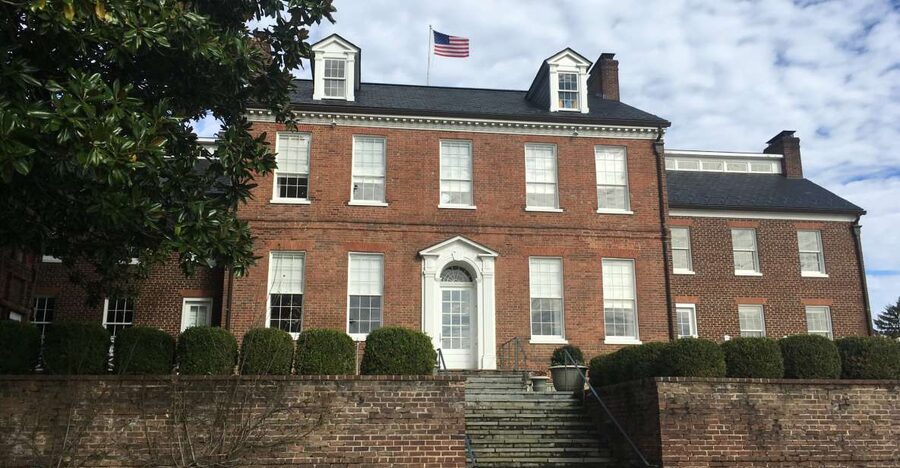
Your tour begins in a central Georgetown location. Meet your guide outside of Baked & Wired, and look for the guide wearing a DC Design Tours t-shirt. Arrive about 5 minutes early, because the walk departs on time.
That early buffer matters more than you’d think. Georgetown streets can be a little maze-like, and you’ll want your footing sorted before the group starts moving. Once you’re set, you’ll get that calm rhythm walking together at a leisurely pace.
From there, you’re not just wandering. You’re walking a route designed to connect building styles to what Georgetown was doing at different points in its development—shipping and trade, upper-class education, and later academic and civic life.
Chesapeake and Ohio Canal to Georgetown’s power addresses
The first stretch follows the Chesapeake and Ohio Canal, which connected Potomac-area communities with markets and goods. Standing near the canal connection points helps you understand Georgetown’s early economic engine—this wasn’t just a scenic neighborhood. It was part of a working network moving goods and people.
As you continue, you’ll pass by stops like the Laird-Dunlop House and Newton D. Baker House. Even without going inside, you’ll learn what to notice on the exterior—details in stonework, proportions, and the kind of design language that signals status. That kind of “why this looks like this” explanation turns Georgetown from scenery into a readable document.
Next up is the Lydia English Seminary School for Girls, a boarding school that served the upper class. This part adds social context, which I love because architecture isn’t just style—it’s who had access to education and how institutions signaled importance. You’ll get a sense of Georgetown as a place where prominent families shaped the neighborhood’s direction.
Then the walk keeps layering stories: the Grafton Tyler Double House, the Christ Episcopal Church, and the Hyde-Addison School. The church stop matters because religious buildings often anchored communities physically and culturally, while school-related stops show how Georgetown’s identity shifted toward learning. If you like linking physical spaces to real life, this section is where the tour quietly earns its value.
Yellow Tavern to Pomander Walk: charming streets with context
At some point you’ll reach the Yellow Tavern, also called the White Horse Tavern. Historic tavern sites often feel like a snapshot in time, but the guide’s job is to show you what the tavern represented—meeting places, conversation, and the everyday social life that supported bigger events in the area. The payoff here is learning how leisure spaces fit into a working neighborhood.
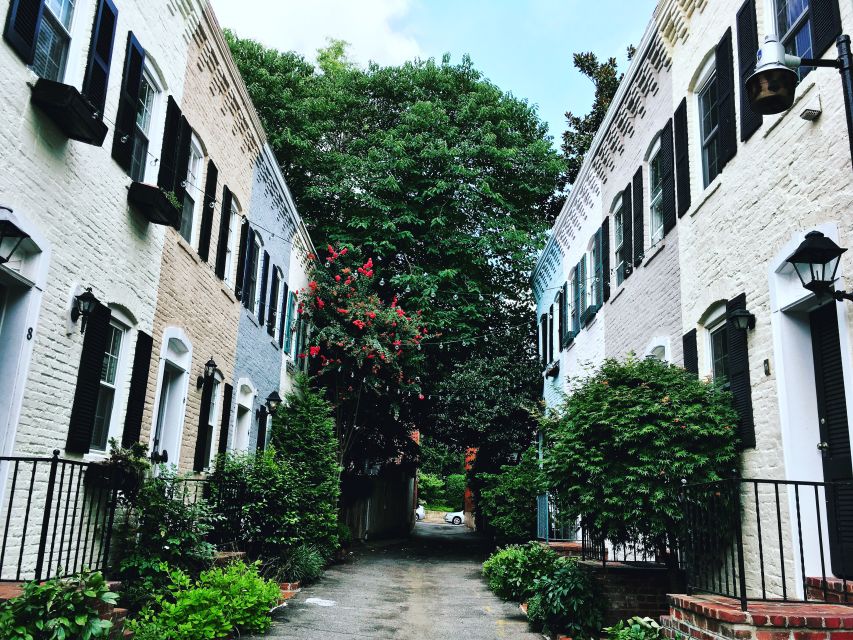
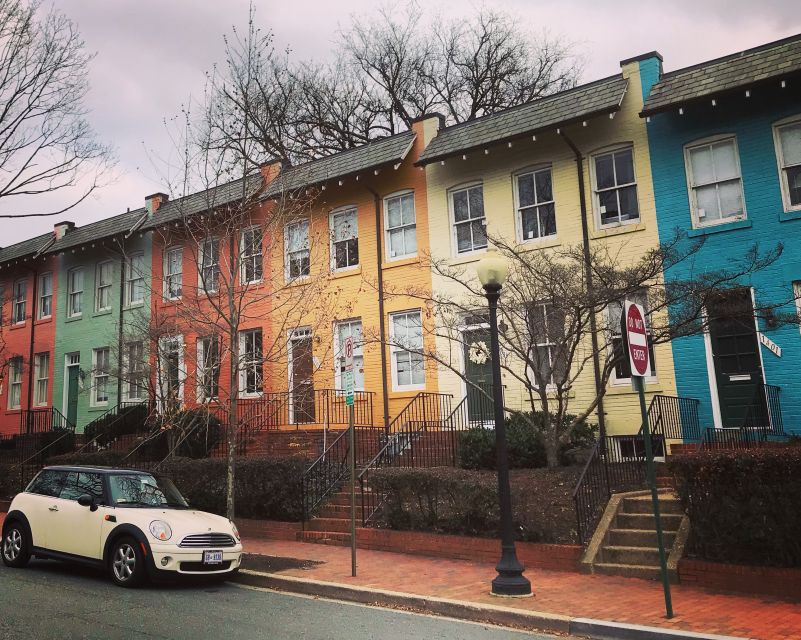
After that, you’ll move toward Pomander Walk, where you can slow down and actually appreciate the scale. Pomander Walk is known for its tiny, pastel row houses, and on this tour you’re not just admiring color. You’re learning how such a space developed in Georgetown’s built environment and why this pocket feels so distinct.
This is also one of the best zones for photos, because you can pause and frame the street view without feeling like you’re sprinting to the next stop. One practical note: in an earlier tour experience, the suggestion was to wait a few minutes for photos. That’s good advice here—give yourself a tiny breathing moment so the guide can catch up and the group isn’t rushing you through your camera setup.
Volta Laboratory and Georgetown schools: science meets campus life
Then the tour shifts gears into Georgetown’s academic and scientific side. A standout moment is the site where Alexander Graham Bell founded Volta Laboratory. Even if you’re not a science person, this stop is a useful reminder that Georgetown’s story includes invention, not just old stone and old money. The architecture and location become clues to how new ideas took hold.
From there, you’ll hit a string of campus-related destinations: Georgetown Preparatory School, Healy Hall, and the University Library. This portion is where architecture education becomes practical. Instead of only describing buildings, the guide helps you understand how institutions build identity—through grand entrances, formal halls, and the kind of structure that signals permanence.
If you’ve ever wondered why campuses feel different from surrounding streets, this sequence gives you the answer in plain sight. You’re moving through spaces designed for long-term learning, and the buildings reflect that focus.
The tour also includes The Tombs, described as campus nightlife. This stop adds balance. It reminds you Georgetown isn’t frozen in the past. It has a student rhythm, and the built environment supports that daily energy.
Finally, you’ll see the Car Barn, a renovated streetcar depot. The renovation angle matters because it shows adaptation: older transport infrastructure repurposed for modern use. That’s one of the most honest ways to experience urban architecture—watching old form meet new function.
Francis Scott Key Memorial, Cady’s Alley, and the Georgetown Waterfront finish
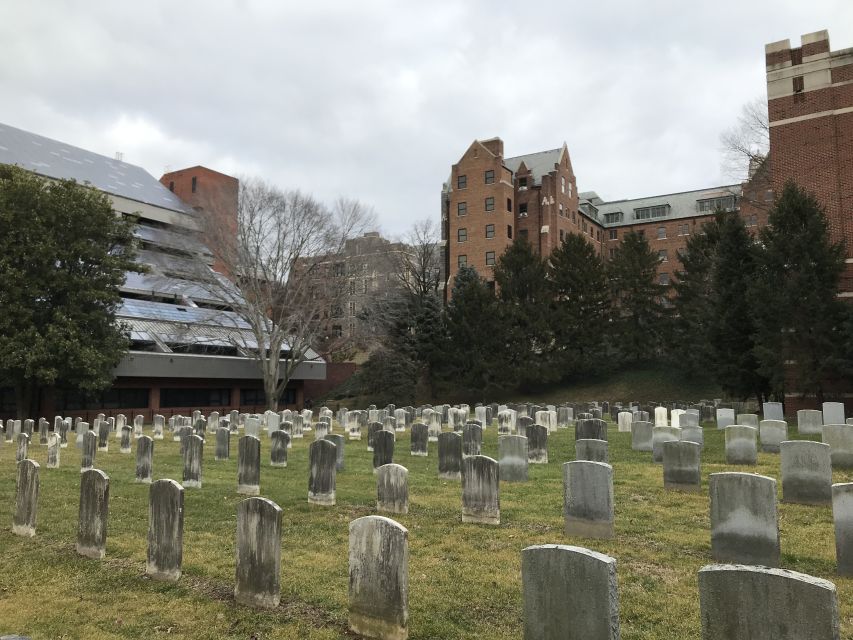
As you move toward the end, you’ll visit the Francis Scott Key Memorial. Even if you know the name already, the guide’s framing helps it connect to where you are in the neighborhood and how landmarks act like anchors in the walking route.
Then comes Cady’s Alley, a small street that rewards attention. These narrow passages are where Georgetown’s layout makes more sense—your eye starts to understand how people once moved through the neighborhood and how the built environment created privacy, shortcuts, and distinct micro-areas.
The grand finale is the Georgetown Waterfront, where the tour concludes. Waterfront endings are great for a reason: they give you a visual reset after dense historic stops. You can look out and make sense of the broader geography—how the canal and Potomac connections tied to Georgetown’s growth.
This ending also makes the tour feel complete. You started with trade routes and ends with the water edge. That arc helps you leave with mental breadcrumbs, not just a list of buildings.
Pacing, comfort, and the smart things to bring
This is planned as a leisurely-paced walk, but it’s still about 2 miles over roughly 150 minutes. That mix is ideal for many people: you’re walking enough to feel like you explored, but not so long that you’re wiped out and hate every cobblestone moment.
It runs rain or shine unless conditions are dangerous, so prepare like you mean it. Bring comfortable shoes first—Georgetown’s streets can be uneven, and you don’t want sore feet turning an architecture lesson into a rescue mission.
Bring water and dress for the weather. If it’s warm, you’ll appreciate the water on stretches when you’re not stopping constantly. If it’s cold, you’ll be glad your layers aren’t a hassle every time you step into shade and back out.
And if you care about photos, don’t treat the tour like a race. In past experiences, the simple advice was to wait a few minutes for photos. That’s the sweet spot: you’ll get time to frame the shot, and the group doesn’t feel like it’s dragging behind.
Price and value: what $43 gets you on these streets
At $43 per person for a 150-minute guided experience, the value is really about what you’re buying: context. If you walk Georgetown alone, you can certainly enjoy the look of the neighborhood. The big difference here is that the guide connects what you see—houses, churches, schools, academic landmarks—to why those places mattered.
You’re also getting a route that links a lot of major points without you needing to plan every turn. Stops include the Chesapeake and Ohio Canal connection, the historic tavern site (Yellow/White Horse Tavern), Pomander Walk, Volta Laboratory, multiple campus destinations, a renovated streetcar depot, and the memorial and alley before finishing at the waterfront.
That’s not just convenience. It’s time saved and misunderstandings avoided. Architecture can feel like trivia when you don’t know the story. Here, the story acts like glue, so details stick in your mind.
Who this Georgetown architecture tour suits best
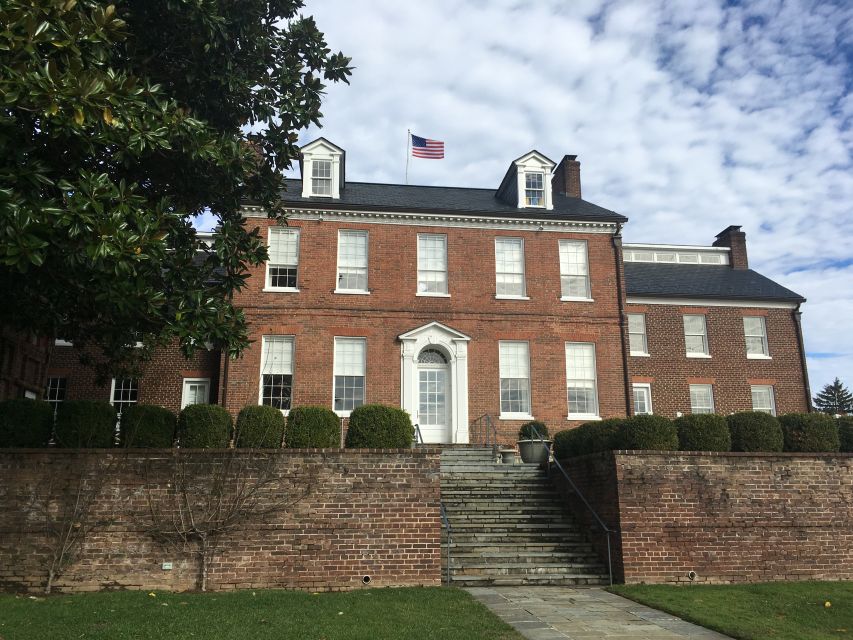
I think this tour fits best if you want more than surface-level sightseeing. You’ll enjoy it if you like your walking to come with explanations that help you notice real architectural features and understand institutional life—religion, education, and science—through the buildings themselves.
It also works well for first-timers in Washington, DC who want a focused slice of Georgetown. The route gives you variety without chaos: canal-era connections, upper-class schooling context, campus identity, and a waterfront ending that ties it together.
If your travel style is more about slow wandering with no schedule, you may find the group pace a bit limiting. But if you’re open to walking at a steady, relaxed tempo while learning how to read Georgetown, this is a strong match.
Should you book it?
Book this Georgetown architecture walking tour if you want a guided route that turns famous sights into a coherent story. The pricing makes sense for what’s included—a professional local guide and a packed set of iconic stops over about 2 miles.
I’d also book if you want a route that covers both the postcard charm (like Pomander Walk) and the “wait, why is this here” moments (like Volta Laboratory and the renovated Car Barn).
Skip it only if you’re extremely photo-driven and hate any group timing, or if 2 miles of walking is too much for your plans.
FAQ
FAQ
How long is the Georgetown Architecture Walking Tour?
The tour lasts 150 minutes.
How much walking is involved?
It involves about 2 miles of walking.
What is the price per person?
The price is $43 per person.
Where do I meet the guide?
Meet your guide outside of Baked & Wired. The guide will be wearing a DC Design Tours t-shirt.
What should I bring for the walk?
Wear comfortable shoes and bring water. Dress in weather-appropriate clothing.
Does the tour run in the rain?
The tour takes place rain or shine unless conditions are dangerous.
What’s included in the tour?
A professional local guide is included.
What language is the tour delivered in?
The tour is in English.
Georgetown Tours, side by side.
 ★ 5.0Ghosts of Georgetown & The Exorcist Steps Walking TourFrom $39610 reviews
 ★ 5.0Georgetown Foodie Culinary Tour & Neighborhood WalkFrom $79437 reviews
 ★ 4.5Gastronomic Georgetown Walking Food TourFrom $84373 reviews
 ★ 5.0Historic Georgetown: History, Gossip, & Architecture Walking TourFrom $49321 reviews
 ★ 4.5Tastes of Georgetown Food & History Small Group Walking TourFrom $129203 reviews
 ★ 5.0The Escape Game DC: 60-Minute Adventure in GeorgetownFrom $38135 reviews
 ★ 4.7D.C.: Ghosts of Georgetown & The Exorcist Steps Haunted TourFrom $39129 reviews
 ★ 4.5Potomac Cruise and Georgetown Walking TourFrom $71106 reviews
The lists this tour appears in