

Review · NATIONAL MALL & MONUMENTS
Extended Monuments & Memorials Tour
One word: pedal-powered sightseeing. This private pedicab tour hits the National Mall’s big monuments and memorials in about half a day, with story-telling that makes the marble feel human. I love the comfort angle—you can kick back and save your legs—plus the way the guide can tailor the pace when you want a closer look or extra photos. One thing to consider: it depends on good weather, so plan for breaks in wind or rain.
I also like that the tour is designed around practical stops, not check-the-box rushing. Guides such as Barry and Don are specifically praised for being timely, answering questions on the spot, and making history feel like it’s happening right now. The trade-off is that with so many icons packed into one route, some places are best for a quick orientation unless you’re the type who wants to slow down.
In This Review
- Key highlights you’ll feel on this National Mall tour
- A pedicab pace that keeps Washington DC fun
- Route overview: a half-day sweep from Jefferson to the Capitol area
- Jefferson Memorial close-up: starting with scale and symbolism
- White House views (and that rooftop advantage)
- U.S. Treasury and Washington Monument: quick hits with big-name context
- Washington’s “in-between” stops: memorial variety without full detours
- National Mall learning stops: AA history, Smithsonian Castle, and more institutions
- Declaration of Independence to MLK Jr.: the memorials that teach through faces and names
- Albert Einstein Memorial: the quick fun stop you’ll remember
- Tidal Basin storytelling: light, status, and what to watch for
- Navy, WWII, and John Paul Jones: the route widens beyond the “big two”
- Capitol approach: Peace Monument, Congress West Side, Grant, Garfield, and Botanic Garden views
- Extra civic stops: FBI, old houses, and DC institutions you might miss
- Value check: is $997 for up to 3 a smart spend?
- Who this tour fits best
- Should you book the Extended Monuments & Memorials Tour?
- FAQ
- How long is the Extended Monuments & Memorials Tour?
- How many people can join per group?
- Is this tour private or shared?
- Is pickup available?
- What sights are included?
- Do I need to pay admission tickets for the stops?
- What language is the tour offered in?
- What transport style is used?
- What happens if weather is poor?
Key highlights you’ll feel on this National Mall tour
- Private pedicab comfort: sit back, relax, and conserve energy for the walks inside certain memorial areas
- Pickup near the White House area: convenient start points within about a mile of many downtown spots
- Close-up options at multiple memorials: see them from afar, then get closer when the moment is worth it
- Guide storytelling that connects the dots: you’re not just seeing famous names, you’re hearing why they matter
- Flexible time for photo stops: quick picture breaks without derailing the whole schedule
- Weather support: rain cover handling is built into how the ride can continue during bad moments
More of the Mall, monument by monument
- DC Memorials Night Tour: Glass-Roof Convertible Upgrade Option
★ 4.5 · 6,933 reviews - National Mall Monuments Night Tour with 10+ Stops, Entry Tickets
★ 4.5 · 4,863 reviews - Washington DC Monuments by Moonlight Tour by Trolley
★ 4.5 · 3,956 reviews - DC Monuments and Capitol Hill Tour by Electric Cart
★ 5.0 · 2,841 reviews
A pedicab pace that keeps Washington DC fun

The biggest win here is the transport style. A pedicab lets you move through Washington DC while keeping your day from turning into a long-distance ankle test. For a first-timer, that matters. You’ll cover more ground than you could on foot in the same time window, and you’ll still have energy left for lingering at the stops you care about.
Because the tour is private (just your group), you’re not stuck with a fixed “one-size-fits-all” rhythm. If someone wants extra time at the Lincoln Memorial end, or you’re the kind of person who reads every inscription, the guide can adjust the pace. That’s also why a pedicab works so well on the National Mall: it’s wide, iconic, and designed for a walking loop, but you don’t always want to spend your whole day walking it.
There’s also a practical bonus: on at least one outing, the guide had a setup that helped with gear and comfort—storage for water bottles and bags when you wanted to stop longer. Add photo breaks, and it feels like a sightseeing day, not a commute.
Route overview: a half-day sweep from Jefferson to the Capitol area
You’re looking at about 4 hours 45 minutes, which is enough time to experience a lot of the National Mall without turning the trip into an all-day marathon. The flow generally builds from the Jefferson side, across to the main monument stretch, then through the memorial cluster near the Tidal Basin and onward toward the Capitol and surrounding sights.
What I like about this kind of routing is that it keeps the “story arc” moving. You start with foundational American symbols, move into the 20th-century commemorations, then end up in the civic core where Congress and national institutions sit side-by-side. DC’s layout can feel like it’s all monuments and no logic. This route gives you both.
One note: the tour includes many stops where you’ll view from afar and, for several, you can get closer. That’s the key trade-off. If you want the closest possible access at every single stop, you may not get it in one half-day. But if you’re okay with a mix of afar + select close-ups, you’ll see a lot and learn more.
Jefferson Memorial close-up: starting with scale and symbolism
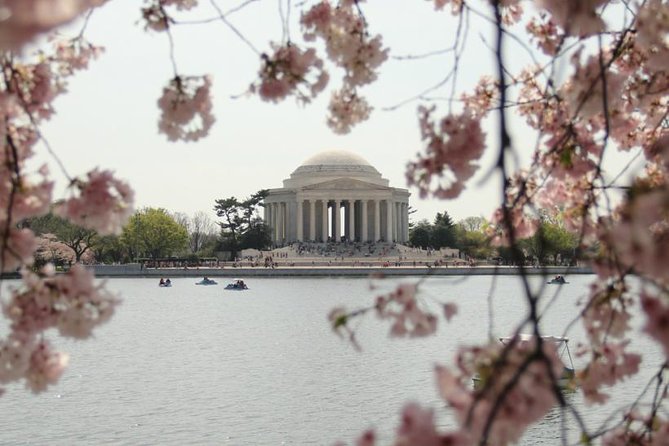
The tour often begins at the Jefferson Memorial. From there, you first view it from afar, which helps you get oriented to the building’s position and how it sits in the broader waterfront landscape. Then you’re invited to see it up close for around 15 minutes.
Why this stop works: Jefferson is one of those figures you hear about constantly, but seeing the memorial gives you a real sense of national “monument language”—big forms, strong lines, and the way DC uses water-adjacent space for reflection. If you’re into American political history, this is a strong start because it sets the tone before you move into later memorial eras.
Potential drawback: if the light is harsh or the area is busy, the close-up may feel brief. Still, this is a good opener because you’re not rushing straight into the busiest, most crowded spots yet.
White House views (and that rooftop advantage)
Next is the White House area, with a short stop that can include viewing from afar, up close, or both. The tour may also return later for another look from the South side, which helps if your timing lines up with different angles and crowd levels.
Here’s something that elevates this specific experience: one group highlighted access to the top of a building near the White House, including a rooftop viewpoint that gave them a standout panorama. That’s not something you should count on every time, but it’s the kind of extra access that makes a guided pedicab tour feel like more than a scripted loop.
Practical value: seeing the White House from more than one side helps you understand why DC’s sightlines feel so deliberate. You start thinking like a planner, not just a tourist.

U.S. Treasury and Washington Monument: quick hits with big-name context
The ride then swings by the United States Department of the Treasury, including a look at the exterior statue of Alexander Hamilton, the first Secretary of the Treasury. This is a short moment—about 5 minutes—but it’s useful because Hamilton’s presence is tied to the story of how the U.S. built its financial identity early on.
After that, you reach the Washington Monument. With roughly 7 minutes, you’ll get a guided talk about the building and history. Even if you’ve seen photos, the monument’s scale only really lands in person.
Small consideration: a short stop means you’ll want to ask questions if there’s something you care about. The best moments here depend on your curiosity level. The guide commentary is part of the value, so lean into it.
Washington’s “in-between” stops: memorial variety without full detours
Between the major heavyweights, the route includes several shorter memorial encounters that keep the tour moving while still adding variety:
- The Three Servicemen Statue gets a brief look from afar, with an option to get closer.
- The William Tecumseh Sherman Monument is handled with view-and-narration timing that works even if you’re moving fast.
- The George Mason Memorial, described as the Forgotten Founder, is a quick educational stop where you get the idea in minutes, not hours.
- The InterContinental the Willard Washington D.C. by IHG gets a stop for discussion of the long-running legacy of this historic hotel.
These short stops matter because they prevent the day from feeling like one long wait in front of marble. You’ll get a broader sense of how DC memorializes different kinds of people and different kinds of service.
National Mall learning stops: AA history, Smithsonian Castle, and more institutions

As you head along, you’ll also get narration around major institutions and civic buildings you pass:
- A view of the Holocaust Memorial Museum (pointed out on the route).
- A stop to talk about the Smithsonian Castle.
- Discussion of the Department of Commerce and nearby National Mall context.
- Views tied to the National Museum of African American History and Culture, including some talk about the building and function.
This is one of the smarter parts of the tour design. DC doesn’t just have monuments. It has an entire museum ecosystem, and many first-time visitors walk right past it without connecting it to the bigger story. Even without an in-depth museum visit, the guided commentary helps you understand what you’re looking at.
What to consider: since these are mostly viewing-and-narration stops, you won’t get deep museum time here. If you want museum ticketed exhibits, you’ll need a separate plan after or before the tour.
Declaration of Independence to MLK Jr.: the memorials that teach through faces and names
From there, the route centers on memorials that bring history into a human scale:
- The 56 Signers of the Declaration of Independence Memorial includes a from-afar view and an option to get closer.
- The Martin Luther King, Jr. Memorial follows, again with the same rhythm: look from afar first, then move closer for an experience-led moment.
- Next is the Korean War Veterans Memorial, then the Lincoln Memorial, then the Vietnam Veterans Memorial.
Why this sequence works: you’re not only seeing monuments, you’re moving through a timeline of national values—founding documents, civil rights, and the cost of war. The guide’s job is to connect these. When it’s done well, you start noticing how design choices mirror each era’s tone.
Practical consideration: the Lincoln and Vietnam areas can be visually powerful but can also feel crowded depending on the day. A pedicab tour doesn’t eliminate crowds, but it does help you avoid spending too long stuck repositioning your group.
Albert Einstein Memorial: the quick fun stop you’ll remember
One of the most playful moments in the route is the Albert Einstein Memorial. You’ll have around 10 minutes, and here’s the bit people love: you can climb on the statue, and there’s a long-running lore that touching his nose will make you smarter.
Even if you don’t care about that folklore, this stop is a break in tone. It adds humor and hands-on interaction to a day that can otherwise feel solemn. It’s also an easy photo moment that doesn’t require a long wait.
Tidal Basin storytelling: light, status, and what to watch for
The tour includes narration regarding the Tidal Basin’s history and status, plus time near major memorials tied to that geography—especially the Franklin Delano Roosevelt Memorial (viewed from afar) and the National World War II Memorial (with an up-close option after the from-afar moment).
This is where the guide commentary really helps you understand DC’s design. The basin isn’t just scenic. It’s a stage that frames memorials, and it changes how you experience them depending on conditions.
What I’d plan for: time on the water can mean wind. If you’re sensitive to cold or rain, bring layers and be ready for quick changes in comfort.
Navy, WWII, and John Paul Jones: the route widens beyond the “big two”
The tour doesn’t stop at the most famous names. It also points you toward military history and naval heritage through:
- The National World War II Memorial (with close-up time after an initial from-afar look).
- The John Paul Jones Memorial (brief from-afar viewing).
- The United States Navy Memorial and Naval Heritage Center with the tour describing the mission to honor, recognize, and celebrate sea services and inform the public about service.
You also may pass by other memorials and civic landmarks tied to the same broad area.
Value for you: these stops balance the day. If you’ve already decided you’re all-in on major American monuments, this route still gives you enough “side quests” to make it feel varied.
Capitol approach: Peace Monument, Congress West Side, Grant, Garfield, and Botanic Garden views
As the tour moves into the Capitol zone, you’ll see symbols tied directly to national government:
- The Peace Monument, also called the Naval Monument or Civil War Sailors Monument, located in Peace Circle on the Capitol grounds.
- A stop for the U.S. Congress area, with the tour passing through the West Side.
- The Ulysses S. Grant Memorial, including the pedestal details and surrounding bronze relief elements.
- A view or discussion of a James A. Garfield sculptural monument.
- Views of the United States Botanic Garden on Capitol grounds.
This part of the day is helpful if you want DC to feel like more than a photoshoot. You’re seeing how monuments and government buildings sit within walking distance and shared public space.
Possible drawback: because this is still a half-day, you might not have time for long lingering right next to each structure. Plan on soaking it in, then letting the guide move you along.
Extra civic stops: FBI, old houses, and DC institutions you might miss
The route includes a few “eyes-open” moments that many self-guided walkers skip:
- A view of the Presidential Parade Route.
- A look at headquarters for postal operations and a statue of Benjamin Franklin out front (including mention of the current Trump International Hotel in that area).
- Discussion of the Federal Bureau of Investigation headquarters.
- A stop for a historic house described as the oldest house on the National Mall.
- Additional museum or art museum views as you pass along.
And yes, there’s a stop that catches people’s attention: the Newseum is pointed out as an interactive news museum, designed to let you experience stories through media and the First Amendment.
I like these stops because they prevent the day from being only monuments. You get a sense of how DC functions—institutions, services, media, and civic life—without turning it into a day-long research project.
Value check: is $997 for up to 3 a smart spend?
At $997 per group (up to 3), this isn’t a bargain tour. But it’s also not priced like a big-group bus ride. Your value comes from three things working together:
- Private transport that saves time and energy: pedicab comfort can mean you actually enjoy the day instead of feeling wrecked halfway through.
- Guided storytelling at dozens of stops: when a guide connects meaning to design, you’re paying for interpretation, not just movement.
- Flexibility: the ability to tailor what you spend time on matters when you’re with family, teens, or anyone who learns better through conversation.
If you’re traveling solo, the cost may feel steep. If you’re coming as a couple or a small family of three, the per-person math looks more reasonable—especially if you’d otherwise pay for multiple separate experiences to cover the same ground.
Also, it’s noted that the tour is commonly booked 71 days in advance. That’s usually a sign this is a popular “best way to see DC” style option, especially for people who want their first trip to feel efficient.
Who this tour fits best
This is a strong match if you:
- Want to see a lot of the National Mall in one half-day
- Prefer a guided narrative over wandering
- Have limited mobility, lower stamina, or just want your legs to last
- Like photo-friendly stops but still want context
It may be less ideal if you:
- Need long museum time at the Smithsonian or other institutions
- Want a deep dive at every memorial (some stops are brief by design)
Should you book the Extended Monuments & Memorials Tour?
If you want the practical “DC starter pack” with a guide who knows how to keep the day moving, I think this is worth serious consideration. The combination of private pedicab comfort, pickup convenience near the White House area, and short guided stops across major monuments gives you a lot of learning without turning it into a slog.
Book it if your goal is smart coverage and meaningful stories in one day. Skip it if your main dream is museum ticket time or you plan to linger for hours at a single site. If you’re in the middle, this is the kind of tour that helps DC click quickly—and you’ll probably feel like you’ve got the city’s timeline in your head by the end.
FAQ
How long is the Extended Monuments & Memorials Tour?
It runs for about 4 hours 45 minutes.
How many people can join per group?
The price is per group, up to 3 people.
Is this tour private or shared?
It’s a private tour/activity, so only your group participates.
Is pickup available?
Pickup is offered at many downtown spots, most museums, and many restaurants, generally within about a mile of the White House. Hotels not listed are also picked up if they’re within about a mile of the White House.
What sights are included?
You’ll see monuments and memorials across the National Mall area, including the Jefferson Memorial, White House (including another possible view from the South side), Washington Monument, Martin Luther King, Jr. Memorial, Lincoln Memorial, Vietnam Veterans Memorial, Franklin Delano Roosevelt Memorial, National World War II Memorial, and more.
Do I need to pay admission tickets for the stops?
The tour lists admission as free for the stops it includes.
What language is the tour offered in?
The tour is offered in English.
What transport style is used?
The highlights describe exploring Washington DC by pedicab, which lets you relax while moving between sights.
What happens if weather is poor?
The experience requires good weather. If it’s canceled due to poor weather, you’ll be offered a different date or a full refund.
More Tour Reviews in Washington DC






The Mall, Monument by Monument


Just Added: Fresh Washington DC Reviews
- Washington : Private Custom Walking Tour With A Guide (Private)★ 3.5 · 3 reviews
- 3-Hour Small Group Memorial Tour in Washington, D.C.★ 4.0 · 3 reviews
- Washington DC Private Guided Bus Day Tour with Step Off Guide★ 5.0 · 3 reviews
- Washington, DC: The Good Liar: Brian Curry★ 5.0 · 3 reviews
- DC Monuments Walking Tour: Small Group, Big Ideas★ 5.0 · 3 reviews
- Washington DC: Library of Congress Private Tour with Tickets★ 5.0 · 3 reviews
National Mall & Monuments, side by side.
 ★ 4.5DC Memorials Night Tour: Glass-Roof Convertible Upgrade OptionFrom $696,933 reviews
 ★ 4.5National Mall Monuments Night Tour with 10+ Stops, Entry TicketsFrom $654,863 reviews
 ★ 4.5Washington DC Monuments by Moonlight Tour by TrolleyFrom $483,956 reviews
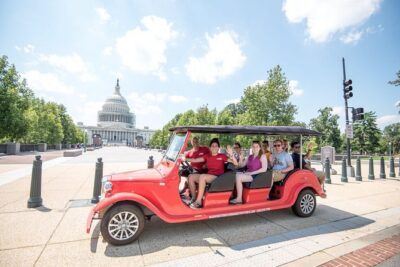 ★ 5.0DC Monuments and Capitol Hill Tour by Electric CartFrom $552,841 reviews
 ★ 4.5National Mall Night Tour with 10+ Monuments (Public or Private)From $682,207 reviews
 ★ 5.0Small Group National Mall Night Tour with 10 Top AttractionsFrom $991,658 reviews
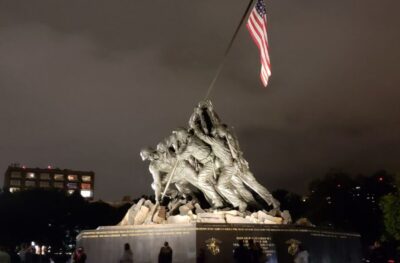 ★ 4.6Monuments by Moonlight Nighttime Trolley TourFrom $481,529 reviews
 ★ 4.8National Mall Tour by Electric VehicleFrom $531,252 reviews
The lists this tour appears in